
For many Malaysian women, hair isn’t just “hair”—it’s a symbol of identity, health, and confidence. But what happens when you notice your hair part widening or your ponytail feeling a little too light? Female Pattern Baldness (FPB), also known as Androgenetic Alopecia, is incredibly common in Malaysia, yet it’s often discussed in hushed tones.
Reclaim your confidence at Dr. Hair, a trusted hair regrowth centre in Malaysia. Our personalized female pattern baldness treatments utilize advanced PRP and follicle-stimulating programs to target thinning, restore hair density, and revitalize your crown naturally.
Understanding Female Pattern Baldness
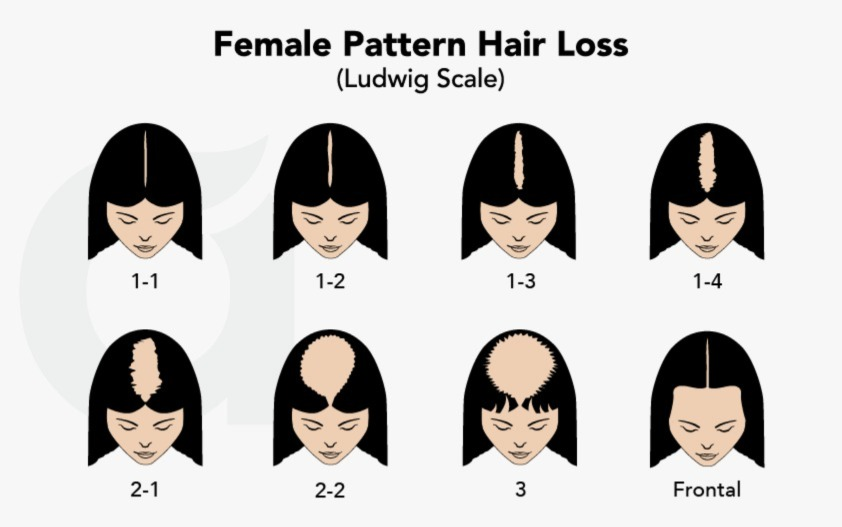
It’s easy to panic when you see extra strands in the shower drain, but FPB is a specific biological process, not just random shedding.
What is Female Pattern Baldness?
Female pattern baldness, or androgenetic alopecia, is diffuse thinning over the crown and top of the scalp, typically without a receding hairline. It is caused by genetic sensitivity to androgens and hormonal shifts, especially after menopause. Treatments include minoxidil, PRP, and low-level laser therapy.
According to Healthdirect Australia, it is the most common cause of hair loss in women and can develop at any age, though it frequently accelerates after menopause.
Common Symptoms and Signs
The “Christmas Tree” Pattern: Thinning that is most prominent along the center part, widening toward the front.
Overall Volume Loss: Your hair feels “flat” and lacks its usual “bounciness.”
Visible Scalp: Noticing more of your scalp peeking through when your hair is tied up or under bright lights.
Miniaturized Hairs: Seeing many short, fine, wispy hairs (baby hairs that never grow long) among your normal strands.
Differences Between Male and Female Hair Loss
While men typically deal with a receding “M-shaped” hairline or a bald spot on the crown, women usually keep their frontal hairline. The loss is more diffuse—meaning it happens across the top and crown rather than in one specific patch. Total baldness in women is rare compared to men, but the emotional impact is often reported as being more significant due to societal stigmas.
Causes of Female Pattern Baldness

Your DNA and hormones are usually the lead actors in this drama, but they have plenty of supporting cast members.
Genetic and Hormonal Factors
If your mother or grandmother experienced thinning, you’re genetically predisposed. Hormonally, a sensitivity to Dihydrotestosterone (DHT)—a byproduct of testosterone—is the primary culprit. In women, estrogen usually acts as a “shield” against DHT. When estrogen levels drop (like during menopause), DHT can wreak havoc on follicles.
Medical Conditions Contributing to Hair Loss
In the Malaysian clinical context, doctors often look for underlying triggers. Polycystic Ovary Syndrome (PCOS) is a major factor due to the excess androgens it produces. Other conditions include thyroid imbalances and iron deficiency (anemia), which are particularly prevalent among women. The Cleveland Clinic highlights that while genes are a major factor, sudden hormonal shifts or autoimmune issues can significantly accelerate the timeline.
Lifestyle and Environmental Triggers
Nutritional Gaps: Low intake of protein, zinc, or biotin.
Traction Alopecia: Tight hijabs or “buns” worn daily can pull on the follicles.
Stress: Chronic stress triggers Telogen Effluvium, which can push a large number of follicles into the “shedding” phase simultaneously.
Diagnosis and Assessment in Malaysia
Don’t self-diagnose! Malaysian dermatologists use specific tools to get to the root of the problem.
Hair and Scalp Examination
A specialist will use a Trichoscope (a high-powered digital magnifier) to check for follicle density and signs of inflammation. They may also perform a “Pull Test” to see how many hairs are actively in the shedding phase.
Blood Tests and Hormonal Analysis
To rule out other issues, you’ll likely need a blood panel. This usually checks:
Ferritin & Iron: Vital for hair cell metabolism.
Thyroid Function (TSH/T4): To ensure your metabolism is balanced.
Androgen Levels: Specifically Free Testosterone and DHEA-S.
When to See a Specialist
If you notice sudden, patchy hair loss, or if the thinning is accompanied by acne and irregular periods, it’s time to see a professional. Early intervention is key; it’s much easier to save existing hair than to regrow it once the follicle has completely closed.
Treatment Options for Female Pattern Baldness
The good news? We are living in a golden age of hair restoration.
Medical Treatments (Minoxidil, Finasteride Alternatives)
Topical Minoxidil: The only FDA-approved over-the-counter treatment for women. It works by extending the growth phase of the hair cycle.
Spironolactone: An “anti-androgen” often prescribed off-label to block DHT.
Finasteride/Dutasteride: Usually reserved for post-menopausal women due to potential risks.
Non-Surgical Therapies (PRP, Exosome Therapy, Laser)
PRP (Platelet-Rich Plasma): Uses your own blood’s growth factors to “wake up” dormant follicles.
Exosome Therapy: The latest in biotech, using nano-vesicles to send regenerative signals to the scalp.
LLLT (Low-Level Laser Therapy): Using “cold” lasers (like laser caps) to stimulate cellular energy in the hair bulb. Mayo Clinic mentions that these non-invasive options are increasingly popular for those wanting to avoid medications.
Hair Transplant Options for Women
For advanced cases, FUE (Follicular Unit Extraction) can be highly effective. In Malaysia, surgeons often perform “long hair transplants” so you don’t have to shave your head, allowing for a more discreet recovery.
Lifestyle Tips to Support Hair Health
Nutrition and Diet Recommendations
Your hair is made of keratin, a protein. Ensure your diet includes:
Lean Proteins: Chicken, fish, and legumes.
Biotin & Zinc: Found in eggs and nuts. Healthline notes that Vitamin C-rich foods (like local guava or citrus) are also essential for collagen production and iron absorption.
Hair Care Practices to Prevent Breakage
Use sulfate-free shampoos to maintain natural oils.
Avoid excessive heat styling (keep that hair dryer on the “cool” setting!).
Detangle gently with a wide-tooth comb starting from the ends.
Stress Management and Scalp Care
Cortisol is a hair-growth killer. Incorporate yoga or meditation. For scalp care, a weekly massage with rosemary oil can help boost microcirculation to the follicles.
Costs of Treatment for Female Pattern Baldness in Malaysia
Price Ranges Across Clinics
Consultation: RM 80 – RM 300
PRP Therapy: RM 800 – RM 1,800 per session
Exosome Therapy: RM 1,500 – RM 3,500 per session
Hair Transplant: RM 10,000 – RM 35,000 (depending on graft count)
Factors Affecting Treatment Costs
The reputation of the clinic, the technology used (e.g., imported Swiss vs. local serums), and the location (KLCC/Bangsar vs. sub-urban areas) will influence the final bill.
Choosing the Right Female Pattern Baldness Clinic in Malaysia
Specialist Qualifications and Certifications
Always check for the LCP (Letter of Credentialing and Privileging) from the Ministry of Health Malaysia. If you are seeing a Trichologist, ensure they are certified by international bodies like the IAT.
Patient Reviews and Success Stories
Look for “Female-specific” testimonials. A clinic might be great at male hairlines but have less experience with diffuse female thinning.
Safety Standards and Clinic Regulations
The National Institutes of Health emphasizes the importance of sterile environments for any injectable treatment. Ensure the clinic follows strict medical protocols for blood handling (in PRP) and storage.
Frequently Asked Questions About Female Pattern Baldness
Can I regrow hair after it has thinned?
Yes, if the follicle is still active. If the area has been smooth and shiny for years, regrowth is unlikely without a transplant.
Does wearing a hijab cause hair loss?
Not directly. However, “Traction Alopecia” can occur if the under-scarf is too tight or if damp hair is tied up for long periods, creating fungal issues.
How long does it take to see results?
Hair grows about 1cm per month. Most treatments require 3 to 6 months of consistency before visible changes appear.
Conclusion: Best Female Pattern Baldness Solutions in Malaysia
Female pattern baldness doesn’t have to be a permanent sentence. From medical-grade topicals to the cutting-edge science of exosome therapy, Malaysian women have more options than ever. The secret to success? Don’t wait. The earlier you address the thinning, the more of your natural volume you can preserve.