
Struggling with a receding hairline or thinning patches? You aren’t alone. In the humid, tropical climate of Malaysia, scalp health is a major concern, and Low-Level Laser Therapy (LLLT) has emerged as a high-tech, painless solution for those not quite ready for the surgical route. This guide breaks down everything you need to know about “cold laser” technology and how it’s helping Malaysians reclaim their confidence.
Dr. Hair offers advanced hair loss treatment in Malaysia, including Low-Level Laser Therapy (LLLT), to stimulate hair growth, strengthen follicles, and support healthier, fuller hair with non-invasive technology.
What Is Low-Level Laser Therapy (LLLT)?
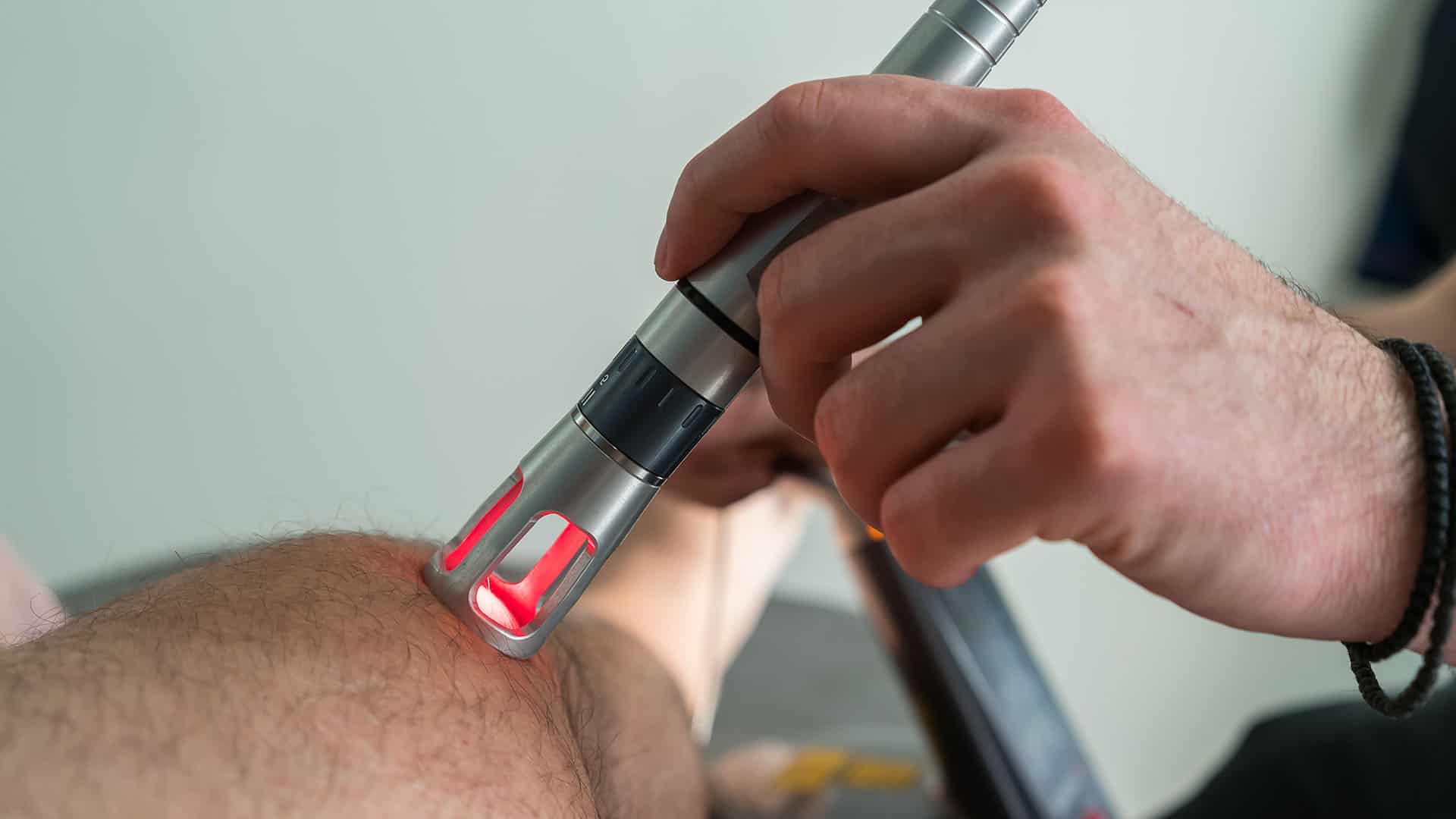
Low-Level Laser Therapy (LLLT) is a non-invasive treatment using red or near-infrared light to stimulate hair follicles. It increases blood flow, cellular energy (ATP), and reduces inflammation. FDA-cleared devices like laser caps or combs are used for androgenetic alopecia to promote thicker, healthier hair growth.
How LLLT Stimulates Hair Follicles
When the scalp is exposed to these lasers, the light energy is absorbed by the cells. This process increases the production of adenosine triphosphate (ATP), which acts like “cell fuel.” According to research on photobiomodulation, this boost in energy extends the growth phase (anagen) of the hair cycle and reawakens dormant follicles.
Difference Between LLLT and LED Light Therapy
While both use light, they aren’t twins. LLLT uses coherent laser light, which travels in a straight, concentrated beam that can penetrate deeper into the scalp to reach the follicle bulb. LED light is non-coherent and tends to scatter, making it less effective for deep-rooted hair stimulation compared to medical-grade lasers.
How LLLT Treats Hair Loss
LLLT isn’t a “one size fits all” miracle, but it’s highly effective for specific types of hair shedding. It works by reducing inflammation and increasing blood flow to the areas where your hair needs it most.
LLLT for Male Pattern Baldness
For guys dealing with Androgenetic Alopecia, LLLT helps counteract the effects of DHT (dihydrotestosterone), the hormone responsible for shrinking hair follicles. It keeps the follicles “breathing” and prevents them from miniaturizing into peach fuzz.
LLLT for Female Hair Thinning
Women often experience diffuse thinning rather than a receding line. LLLT is a fan favorite here because it treats the entire scalp simultaneously, improving hair density and volume across the crown without the hormonal side effects of some oral medications.
LLLT for Early-Stage Hair Loss
The golden rule? Start early. LLLT is most effective when the hair follicle is still alive. If a patch has been completely bald and smooth for years, the follicle may be permanently inactive, making LLLT less effective than it would be on thinning areas.
Benefits of Low-Level Laser Therapy for Hair Growth
Why are so many Malaysians opting for the laser cap or in-clinic sessions? It’s all about the “low-maintenance” lifestyle.
Non-Invasive Hair Loss Treatment
There are no needles, no incisions, and zero downtime. You can literally get a treatment during your lunch break in KL and head straight back to the office without anyone knowing.
Improves Scalp Circulation and Follicle Activity
By stimulating microcirculation, LLLT ensures that oxygen and nutrients are efficiently delivered to the hair roots. This creates a healthier “soil” for your hair to grow in.
Safe for Long-Term Hair Maintenance
Unlike some chemical treatments that can cause scalp irritation, LLLT has an excellent safety profile. It’s a sustainable way to maintain hair health over several years.
Who Is a Suitable Candidate for LLLT Hair Therapy?
Ideal Candidates for Hair Regrowth Treatment
The best candidates are men and women with Norwood-Hamilton Classifications I-V or Ludwig Density Scales I-II. Essentially, if you have thinning hair or a widening part, you’re in the “sweet spot” for results.
When LLLT May Not Work for Hair Loss
If the hair loss is caused by certain medications, chemotherapy, or if the area is completely scarred (cicatricial alopecia), LLLT likely won’t provide the results you’re looking for.
What to Expect During an LLLT Hair Treatment Session
Consultation and Hair Scalp Assessment
Most Malaysian clinics start with a digital scalp analysis. A trichologist or doctor uses a high-magnification camera to check your follicle density and scalp oiliness to ensure LLLT is the right path for you.
Treatment Procedure and Duration
You’ll typically sit under a “hood” or wear a medical-grade laser helmet. A session usually lasts between 20 to 30 minutes. It’s completely painless—most people just feel a slight, relaxing warmth.
Recommended Number of Sessions
Consistency is key. A standard protocol often involves 2 to 3 sessions per week. Many clinics offer packages of 12 to 24 weeks to ensure the hair growth cycle is fully supported.
LLLT Results and Hair Growth Timeline
When Hair Regrowth Becomes Visible
Patience is a virtue here.
Months 1-2: Reduced hair shedding.
Months 3-5: Existing hair feels thicker and stronger.
Month 6+: New “baby hairs” start to fill in thinning spots.
Factors That Affect Treatment Results
Your genetics, diet, and stress levels play a role. Smoking can also hinder results by constricting the very blood vessels LLLT is trying to open up.
Safety and Side Effects of LLLT
Is LLLT Clinically Proven for Hair Loss?
Yes. The U.S. Food and Drug Administration has cleared various LLLT devices for the treatment of androgenetic alopecia, noting their safety and efficacy in clinical trials.
Possible Side Effects and Risks
Side effects are rare and mild. Some users report a temporary itchy scalp or a slight headache immediately after the first few sessions as blood flow increases, but these usually vanish quickly.
Cost of LLLT Hair Treatment in Malaysia
Average Price per Session
In Malaysia, a single in-clinic session can range from RM150 to RM400.
Factors That Influence Treatment Cost
The location (clinics in Bangsar or Mont Kiara may charge more), the technology used, and whether the LLLT is bundled with other therapies like scalp peels or stem cell serums will affect the final price.
LLLT vs Other Hair Loss Treatments
LLLT vs PRP Hair Treatment
Platelet-Rich Plasma (PRP) therapy involves injections of your own blood plasma. While PRP is more “potent” for some, LLLT is non-injectable and can be used as a maintenance tool between PRP sessions.
LLLT vs Minoxidil Treatment
Minoxidil is a topical solution. Many doctors recommend using both; the LLLT improves the scalp’s absorption of the topical treatment, creating a synergistic effect.
LLLT vs Hair Transplant
A hair transplant is a permanent surgical fix for bald areas. LLLT is often used post-surgery to speed up healing and ensure the newly transplanted grafts thrive.
Frequently Asked Questions About LLLT in Malaysia
Does LLLT Really Work for Hair Loss?
Yes, for the right candidate. It is a scientifically backed method to slow down thinning and improve hair caliber.
How Often Should LLLT Be Done?
Most clinical protocols suggest three times a week with at least one day of rest in between sessions.
Can LLLT Stop Hair Loss Permanently?
No treatment stops hair loss forever because aging and genetics are ongoing. However, LLLT can significantly delay the progression and maintain your current hair for much longer.