
What Are Exosomes Made Of? Sources, Types and Quality Standards
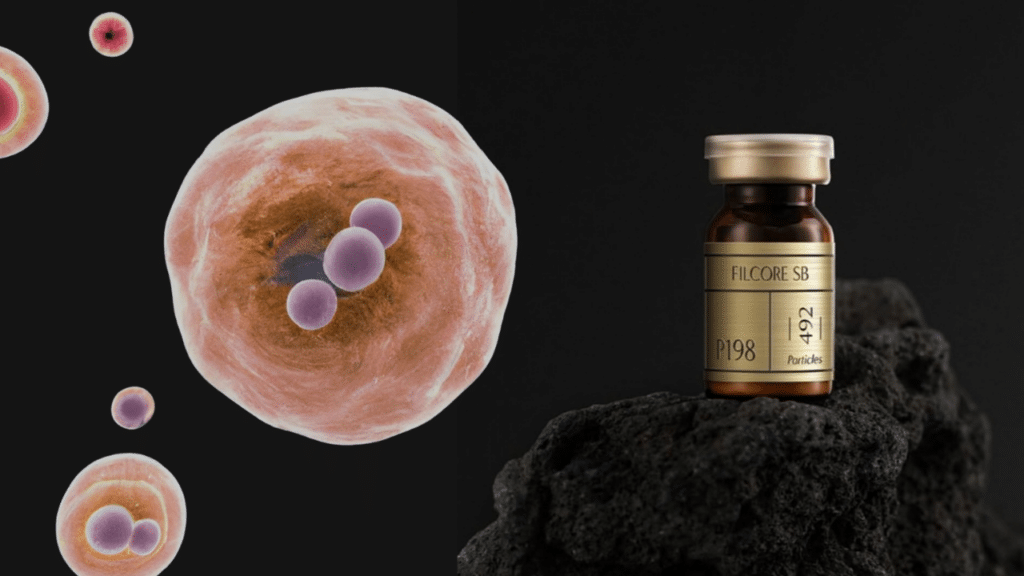
Exosome therapy is not one product. Here is what exosomes are actually made of, where they come from, and what makes a good one.
Are Exosomes Good For Hair Growth? The Science Behind It
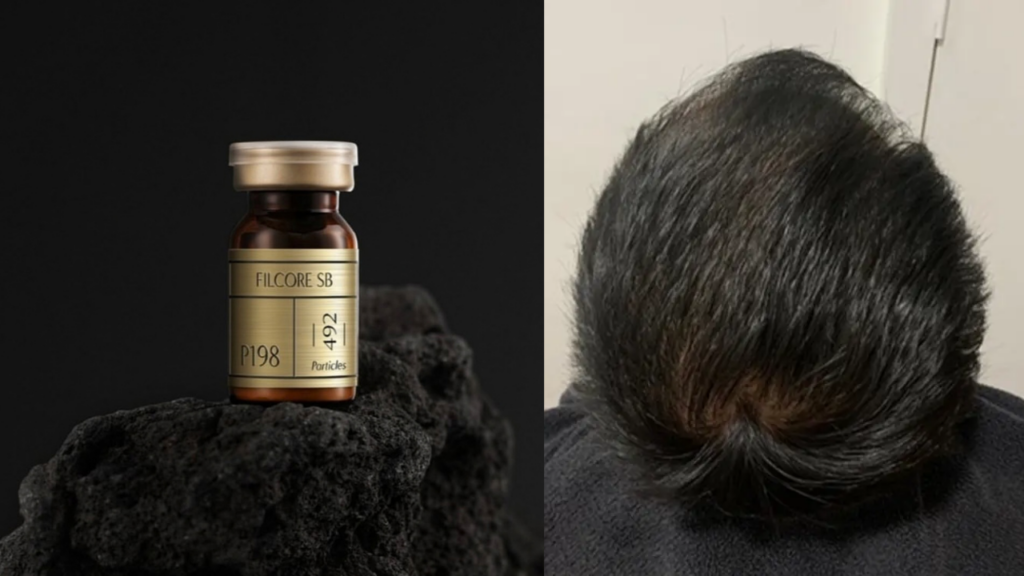
Exosome therapy is one of the newest options for thinning hair. Here is what the research actually shows, in plain terms.
Is PRP Treatment Effective for Hair Loss?
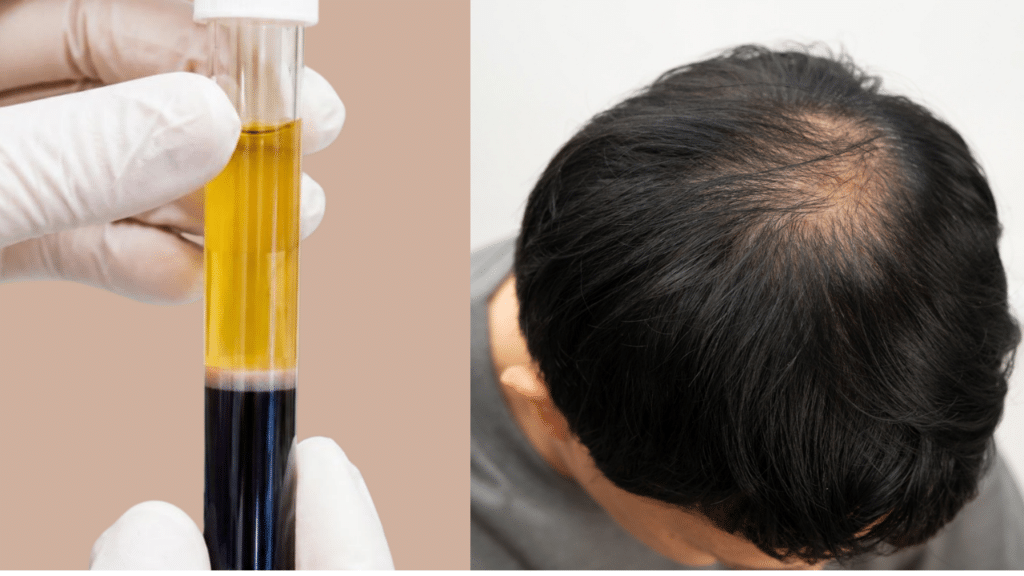
PRP is widely offered for hair loss in Malaysia, but how strong is the evidence? Here is what the research actually found.
PRP Hair Treatment in Malaysia: All You Need to Know
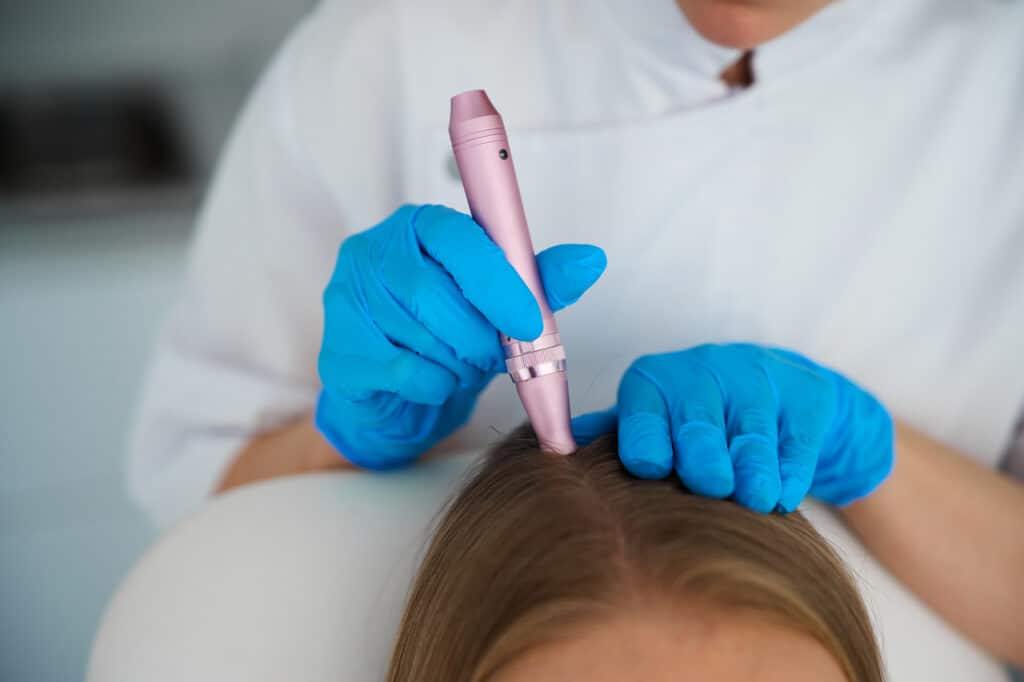
PRP uses your own blood to stimulate thinning hair. Here is what the treatment involves, what it costs in Malaysia, and how it fits alongside other options.
PRP for Women Hair Loss in Malaysia: Benefits & Procedure

If you’ve noticed more strands than usual in your hairbrush, you aren’t alone. Many Malaysian women face thinning due to humidity and stress. Platelet-Rich Plasma (PRP) therapy is emerging as a gold-standard, non-surgical solution in aesthetic clinics across Kuala Lumpur and Selangor to restore hair density effectively. Dr. Hair, trusted hair loss solution centre in Malaysia offers expert PRP hair treatment injections, helping women restore hair density, strengthen follicles, and achieve healthier, fuller hair with safe and effective results. What is PRP for Women Hair Loss? PRP is a medical treatment where a patient’s own blood is processed to isolate platelets, then injected into the scalp. According to the American Academy of Dermatology, these platelets contain growth factors that repair damaged tissues. It’s a biological therapy that leverages your body’s natural healing chemistry. How PRP Stimulates Hair Growth Platelets are rich in signal proteins like VEGF and PDGF. When injected, they trigger the proliferative phase of the hair cycle. This increases blood flow to the bulb, wakes up “dormant” follicles, and extends the anagen (growth) phase, leading to visibly thicker and more resilient hair shafts over time. Why Women Experience Hair Loss Female hair loss is complex, often triggered by Androgenetic Alopecia or iron deficiency. Hormonal shifts during menopause or postpartum also play a role. Unlike men, women usually experience diffuse thinning across the top of the scalp, making targeted regenerative treatments like PRP highly effective for maintaining a feminine hairline. Benefits of PRP for Women Hair Loss Strengthens Hair Follicles PRP works at the root level by reversing follicle miniaturization. By delivering a concentrated dose of nutrients directly to the dermal papilla, it reinforces the hair’s foundation. This prevents premature shedding and ensures that new strands grow back stronger, significantly reducing the appearance of a widening part. Promotes Natural Hair Regrowth Since the treatment uses your own biological material, the results look and feel completely natural. There are no harsh chemicals or synthetic implants involved. This bio-stimulation encourages the scalp to produce high-quality terminal hair, restoring the volume you might have lost due to aging or environmental factors. Safe and Minimally Invasive One of the biggest draws for busy Malaysian professionals is that PRP is nearly “lunch-break” friendly. It is an autologous procedure, meaning there is zero risk of allergic reaction or rejection. Compared to hair transplants, it requires no incisions, no stitches, and involves minimal discomfort during the session. PRP Procedure for Women Blood Collection and Platelet Preparation The process begins with a simple blood draw, similar to a routine lab test. The blood is placed in a medical-grade centrifuge and spun at high speeds. This separates the red blood cells from the platelet-rich plasma, concentrating the growth factors up to five times the normal level. Scalp Injection Process Once prepared, the “liquid gold” is injected into the thinning areas of the scalp using a fine needle. Most Malaysian clinics use a specialized “numbing” spray or local anesthesia to ensure comfort. The injections are spaced about a half-inch apart, covering the entire area where density is lacking. Recovery and Aftercare There is virtually no downtime. You might experience slight tenderness or “tightness” in the scalp for 24 hours. Doctors usually advise avoiding harsh chemical treatments or heavy exercise for two days. You can typically wash your hair the next morning using a gentle, sulfate-free shampoo to keep the area clean. Expected Results and Timeline How Soon Hair Growth Appears Patience is key, as hair growth is a slow physiological process. Most patients notice reduced shedding within weeks, but visible regrowth typically takes three to six months. According to clinical data on biotechnology in hair restoration, the peak effect is usually seen after the third or fourth session. Number of Sessions Required Consistency yields the best results. A standard protocol involves an initial phase of 3 to 4 sessions, spaced one month apart. To maintain the density and combat ongoing genetic thinning, a “booster” session every six to twelve months is often recommended by leading trichologists in Malaysia. Safety and Side Effects Possible Side Effects While extremely safe, minor side effects can include temporary swelling, redness, or a mild headache post-injection. Because the Ministry of Health Malaysia (MOH) strictly regulates aesthetic procedures, ensure your treatment is performed by a licensed medical practitioner to avoid rare risks like scalp infection. Aftercare Tips To maximize your investment, stay hydrated and maintain a diet rich in iron and Biotin. Avoid anti-inflammatory medications like Ibuprofen immediately after the procedure, as they can interfere with the platelet’s natural inflammatory healing response. Protecting your scalp from direct, intense sunlight for 48 hours is also vital. Conclusion: Effective PRP Treatment for Women Hair Loss in Malaysia PRP therapy offers a scientifically-backed, safe, and effective way for women to fight thinning hair without surgery. By choosing a reputable clinic and following a consistent treatment plan, you can regain your hair’s vitality. It is a powerful tool in modern regenerative medicine for the modern woman.
Syampu Untuk Rambut Gugur: Cara Pilih & Cadangan Terbaik
Mencari syampu untuk rambut gugur yang sesuai di Malaysia boleh menjadi agak mencabar dengan cuaca panas yang lembap. Namun, pilihan produk yang tepat bukan sekadar mencuci, malah mampu mengukuhkan akar rambut dan menyihatkan kulit kepala agar mahkota anda kembali lebat serta bermaya semula. Apa Itu Syampu Untuk Rambut Gugur? Syampu jenis ini diformulasikan khusus dengan bahan aktif untuk mengurangkan keguguran dan merangsang folikel. Menurut Kementerian Kesihatan Malaysia (KKM), produk kosmetik penjagaan diri mestilah selamat dan bebas bahan terlarang bagi memastikan kesihatan kulit kepala pengguna sentiasa terjaga tanpa kesan sampingan yang memudaratkan. Fungsi Utama Syampu Anti-Rambut Gugur Fungsi utamanya adalah membersihkan sebum berlebihan yang menyumbat pori-pori kulit kepala. Selain itu, ia membekalkan nutrisi penting terus ke akar rambut. Dengan persekitaran kulit kepala yang bersih, oksigen dan nutrien dapat meresap lebih efisien untuk menyokong pertumbuhan helai rambut yang lebih kuat. Bagaimana Ia Membantu Kurangkan Keguguran Ia bekerja dengan mengukuhkan struktur keratin pada batang rambut supaya tidak mudah patah. Sesetengah formula juga membantu menghalang hormon Dihydrotestosterone (DHT) pada permukaan kulit kepala, yang sering menjadi punca utama keguguran rambut corak lelaki dan wanita di peringkat awal. Bahan Penting dalam Syampu Untuk Rambut Gugur Biotin dan Kafein Biotin (Vitamin B7) membantu merangsang penghasilan keratin, manakala kafein berfungsi meningkatkan peredaran darah ke folikel. Menurut kajian dalam International Journal of Dermatology, kafein mampu memanjangkan fasa anagen (pertumbuhan) rambut secara signifikan, menjadikannya bahan kegemaran dalam produk antipenipisan rambut moden. Niacinamide dan Amino Asid Niacinamide (Vitamin B3) memperbaiki tekstur rambut dan mengurangkan keradangan kulit kepala. Gabungan amino asid pula bertindak sebagai blok binaan protein yang membaiki kerosakan pada korteks rambut. Ini memastikan setiap helai rambut mempunyai elastisiti yang tinggi dan tidak mudah gugur akibat tarikan fizikal. Ekstrak Herba untuk Kuatkan Rambut Bahan semula jadi seperti Ginseng, Saw Palmetto, dan Rosemary sering digunakan dalam formula tradisional dan moden. Ekstrak ini mempunyai sifat anti-androgenik semula jadi yang membantu menstabilkan ekosistem kulit kepala. Ia juga memberikan bau yang menyegarkan serta menenangkan tanpa menggunakan pewangi sintetik yang keras. Formula Bebas Sulfat Elakkan syampu yang mengandungi Sodium Lauryl Sulfate (SLS) kerana ia boleh menghakis minyak semula jadi. Pilih formula bebas sulfat untuk mengekalkan kelembapan optimum. Syampu yang lembut sangat penting bagi mereka yang mempunyai kulit kepala sensitif bagi mengelakkan iritasi yang boleh memburukkan lagi masalah rambut. Cara Memilih Syampu Untuk Rambut Gugur di Malaysia Pilih Mengikut Jenis Kulit Kepala Jika kulit kepala anda berminyak, pilih syampu “clarifying” yang mampu mengawal pengeluaran sebum. Bagi kulit kepala kering, cari produk yang mengandungi agen pelembap seperti minyak Argan. Keserasian antara jenis kulit kepala dan formula syampu adalah kunci utama keberkesanan rawatan rambut gugur anda. Semak Bahan Aktif Jangan hanya terpedaya dengan label depan botol; baca senarai bahan (INCI). Pastikan bahan aktif yang anda perlukan berada di barisan atas senarai. National Pharmaceutical Regulatory Agency (NPRA) menyarankan pengguna menyemak kesahihan produk melalui nombor notifikasi (NOT) bagi menjamin kualiti dan keselamatan bahan yang digunakan. Produk Berdaftar KKM Pastikan produk mempunyai hologram atau pengesahan daripada pihak berkuasa tempatan. Di Malaysia, lambakan produk luar kawalan di platform e-dagang boleh mengandungi bahan kimia berbahaya seperti merkuri atau hidrokuinon. Produk berdaftar KKM menjamin piawaian keselamatan industri kosmetik dipatuhi sepenuhnya demi perlindungan pengguna. Cara Guna Syampu Untuk Rambut Gugur Dengan Betul Teknik Cucian yang Betul Basahkan rambut sepenuhnya dengan air suam, bukan air panas. Fokuskan syampu pada bahagian kulit kepala dan bukannya hujung rambut. Bilas sehingga bersih bagi memastikan tiada sisa produk tertinggal yang boleh menyebabkan liang pori tersumbat, sekali gus mengganggu pernafasan folikel rambut yang sensitif. Urutan Kulit Kepala Gunakan hujung jari (bukan kuku) untuk mengurut kulit kepala dalam bulatan lembut selama 2 hingga 3 minit. Teknik ini bukan sahaja membantu penyerapan bahan aktif, malah meningkatkan aliran mikrosirkulasi darah. Peredaran darah yang lancar memastikan nutrien daripada syampu sampai ke akar rambut dengan lebih efektif. Kekerapan Penggunaan Basuh rambut mengikut keperluan, biasanya sekali sehari atau selang sehari bergantung kepada aktiviti harian anda. Mencuci terlalu kerap boleh mengeringkan rambut, manakala jarang mencuci menyebabkan penimbunan kotoran. Keseimbangan kekerapan mencuci membantu mengekalkan pH kulit kepala yang ideal untuk pertumbuhan rambut baru yang sihat. Keberkesanan Syampu Untuk Rambut Gugur Berapa Lama Nampak Hasil Rambut memerlukan masa untuk bertindak balas terhadap rawatan. Secara purata, anda perlu konsisten menggunakan syampu tersebut selama 3 hingga 6 bulan sebelum melihat perubahan ketara. Jangan mudah berputus asa jika tiada kesan dalam masa seminggu kerana kitaran fisiologi rambut manusia adalah proses yang perlahan. Had Keberkesanan Syampu Syampu adalah rawatan sokongan luaran. Ia sangat berkesan untuk keguguran tahap awal atau akibat faktor luaran. Namun, bagi masalah botak kekal atau alopecia areata, anda mungkin memerlukan rawatan perubatan tambahan seperti yang disyorkan oleh Persatuan Dermatologi Malaysia untuk hasil yang lebih menyeluruh. Soalan Lazim (FAQ) Syampu Untuk Rambut Gugur Adakah Syampu Boleh Hentikan Rambut Gugur? Syampu boleh mengurangkan keguguran dengan memperbaiki kesihatan kulit kepala, tetapi ia tidak mampu mengubah faktor genetik sepenuhnya. Ia bertindak sebagai barisan pertahanan pertama untuk mengawal persekitaran kulit kepala supaya rambut sedia ada lebih kuat dan tidak mudah luruh sebelum tempoh matangnya tamat. Boleh Guna Setiap Hari? Boleh, asalkan syampu tersebut diformulasikan untuk kegunaan harian dan bersifat lembut. Pastikan ia bebas daripada bahan kimia agresif. Jika rambut terasa terlalu kering, anda boleh selang-selikan dengan penggunaan perapi (conditioner) yang hanya disapu pada hujung rambut untuk mengekalkan kelembutan tanpa membebankan akar. Berapa Lama Perlu Guna? Gunakan secara berterusan selagi anda mempunyai masalah keguguran. Setelah keadaan stabil, anda boleh terus menggunakannya sebagai langkah pencegahan. Konsistensi adalah faktor penentu utama sama ada rambut anda akan kekal sihat atau kembali menipis akibat penghentian penggunaan produk penjagaan yang sesuai secara tiba-tiba. Kesimpulan: Pilih Syampu Untuk Rambut Gugur Yang Sesuai di Malaysia Penyelesaian terbaik untuk masalah rambut gugur bermula dengan pilihan syampu yang tepat dan berkualiti. Dengan memahami bahan aktif dan teknik penggunaan yang betul, anda boleh memulihkan kekuatan rambut dari akar. Pastikan produk pilihan anda selamat dan diiktiraf untuk hasil yang optimum dan berkekalan.
Rambut Gugur Selepas Bersalin: Punca, Tempoh & Cara Atasi
Rambut Gugur Selepas Bersalin? Ini Cara Untuk Selesaikan Mengalami keguguran rambut yang teruk selepas melahirkan cahaya mata adalah perkara biasa bagi ibu-ibu di Malaysia. Walaupun merisaukan, fenomena ini sebenarnya bersifat sementara. Dengan penjagaan yang betul dan pemahaman tentang perubahan hormon, anda boleh mengembalikan kelebatan rambut asal dengan lebih cepat dan berkesan. Apa Itu Rambut Gugur Selepas Bersalin? Keguguran rambut selepas bersalin, atau secara perubatan dikenali sebagai postpartum alopecia, adalah keguguran rambut secara mendadak yang dialami ramai wanita. Menurut American Academy of Dermatology, ia bukanlah keguguran kekal, sebaliknya merupakan fasa peralihan sementara yang berkaitan dengan perubahan mendadak tahap hormon dalam badan ibu. Perubahan Kitaran Rambut Selepas Kehamilan Semasa mengandung, tahap estrogen yang tinggi mengekalkan rambut dalam fasa pertumbuhan (anagen), menjadikan rambut nampak lebat. Namun, sebaik sahaja bayi dilahirkan, kitaran ini berubah secara drastik. Rambut yang sepatutnya luruh semasa sembilan bulan kehamilan akan mula gugur serentak dalam fasa rehat yang panjang. Kenapa Rambut Gugur Berlaku Selepas Bersalin Punca utamanya adalah “kejutan” pada sistem badan. Selepas plasenta dikeluarkan, tahap hormon merosot ke paras normal dengan pantas. Ini memaksa sejumlah besar folikel rambut memasuki fasa telogen (luruh) secara serentak, menyebabkan gumpalan rambut kelihatan pada sikat atau lantai bilik air setiap hari. Punca Rambut Gugur Selepas Bersalin Penurunan Hormon Estrogen Estrogen adalah “penyelamat” rambut semasa hamil. Apabila tahap ini jatuh merudum selepas bersalin, sokongan terhadap folikel rambut hilang. Perubahan biokimia ini adalah faktor dominan yang mencetuskan keguguran, memaksa rambut yang “terlebih matang” untuk luruh bagi memberi laluan kepada pertumbuhan rambut baru yang lebih sihat. Telogen Effluvium Selepas Bersalin Keadaan ini diklasifikasikan sebagai Telogen Effluvium, iaitu gangguan kitaran rambut akibat tekanan sistemik. Ia berlaku apabila akar rambut dipaksa ke fasa rehat sebelum waktunya. Di Malaysia, faktor cuaca panas juga boleh memburukkan keadaan kulit kepala jika tidak dijaga dengan rapi selepas bersalin. Tekanan Fizikal dan Emosi Menjaga bayi baru lahir memerlukan tenaga yang besar. Kurang tidur, keletihan melampau, dan tekanan emosi atau “baby blues” boleh memburukkan lagi masalah rambut. Tekanan meningkatkan tahap kortisol dalam badan, yang secara tidak langsung mengganggu bekalan nutrisi ke folikel rambut dan melambatkan proses pemulihan semula jadi. Kekurangan Nutrisi Selepas Melahirkan Ibu yang menyusu memerlukan kalori dan mineral tambahan. Kekurangan zat besi, zink, dan Vitamin B12 sering menjadi punca rambut gugur walaupun hormon sudah stabil. Tanpa nutrisi yang mencukupi, badan akan mengutamakan organ vital berbanding pertumbuhan rambut, menyebabkan rambut menjadi rapuh dan nipis. Bila Rambut Gugur Selepas Bersalin Bermula? Garis Masa 3–4 Bulan Selepas Bersalin Kebanyakan ibu mula menyedari keguguran rambut yang ketara sekitar bulan ketiga atau keempat selepas bersalin. Ini adalah tempoh masa yang diperlukan untuk rambut beralih dari fasa rehat ke fasa luruh sepenuhnya. Jangan panik jika anda melihat penipisan di bahagian garis rambut hadapan. Berapa Lama Rambut Gugur Akan Berlanjutan Berita baiknya, fasa ini biasanya memuncak pada bulan keempat dan mula berkurangan selepas itu. Bagi kebanyakan wanita, pertumbuhan rambut akan kembali normal menjelang ulang tahun pertama bayi mereka. Jika keguguran berterusan melebihi setahun, ia mungkin petanda isu kesihatan lain yang memerlukan pemeriksaan lanjut. Tanda Normal vs Tidak Normal Jumlah Rambut Gugur Harian Yang Normal Secara purata, manusia kehilangan 50 hingga 100 helai rambut sehari. Namun, bagi ibu selepas bersalin, jumlah ini boleh meningkat sehingga 300 helai sehari. Selagi rambut tumbuh semula (anak rambut kelihatan), keadaan ini dianggap normal dan merupakan sebahagian daripada proses pemulihan fisiologi badan. Bila Perlu Risau dan Dapatkan Rawatan Anda harus merujuk pakar jika keguguran berlaku secara bertompok (alopecia areata) atau jika kulit kepala terasa gatal, merah, dan pedih. Menurut Mayo Clinic, keguguran yang disertai keletihan melampau atau penurunan berat badan mendadak mungkin menunjukkan masalah tiroid atau anemia yang memerlukan rawatan perubatan. Cara Mengatasi Rambut Gugur Selepas Bersalin Pemakanan Seimbang untuk Ibu Selepas Bersalin Utamakan makanan tinggi protein dan zat besi seperti daging merah, bayam, dan ikan. Diet suku-suku separuh yang kaya dengan mikronutrien sangat membantu. Pastikan anda mengambil makanan yang mengandungi antioksidan untuk melindungi folikel rambut daripada kerosakan sel dan mempercepatkan proses penyembuhan kulit kepala. Suplemen Penting untuk Kesihatan Rambut Pengambilan Biotin dan asid folik sangat disyorkan oleh pakar pemakanan. Suplemen multivitamin selepas bersalin bukan sahaja membantu penyusuan, malah memastikan akar rambut mendapat “bahan api” yang cukup untuk tumbuh semula dengan lebih kuat, tebal, dan bersinar dari dalam. Penjagaan Rambut yang Selamat Semasa Menyusu Gunakan syampu “volumizing” yang ringan dan elakkan produk yang mengandungi bahan kimia keras seperti paraben. Elakkan mengikat rambut terlalu ketat (traction alopecia) dan kurangkan penggunaan alat penggaya haba tinggi. Gunakan sikat bergigi jarang untuk mengurangkan tarikan pada akar rambut yang masih sensitif dan lemah. Pengurusan Stress untuk Ibu Baru Amalkan teknik pernafasan atau tido sebentar apabila bayi tidur. Pengurusan stress yang baik membantu menstabilkan hormon dengan lebih cepat. Sokongan daripada pasangan dan keluarga amat penting untuk memastikan ibu mendapat rehat yang cukup, sekali gus mengurangkan risiko keguguran rambut akibat tekanan fizikal yang berpanjangan. Rawatan Rambut Gugur Selepas Bersalin di Malaysia Rawatan Topikal yang Selamat Di Malaysia, banyak farmasi menawarkan tonik rambut berasaskan herba atau bahan semula jadi yang selamat untuk ibu menyusu. Pastikan produk tersebut mendapat kelulusan NPRA (Bahagian Regulatori Farmasi Negara). Elakkan bahan aktif tertentu tanpa nasihat doktor jika anda masih dalam tempoh penyusuan eksklusif. PRP Rambut Selepas Bersalin Rawatan Platelet-Rich Plasma (PRP) semakin popular di klinik estetik Malaysia. Ia menggunakan plasma darah sendiri yang kaya dengan faktor pertumbuhan untuk merangsang folikel. Ini adalah pilihan efektif bagi ibu yang ingin mempercepatkan pertumbuhan rambut tanpa menggunakan bahan kimia sintetik yang berbahaya. Terapi Laser Rambut (LLLT) Low-Level Laser Therapy adalah rawatan tanpa pembedahan yang menggunakan cahaya merah untuk merangsang aktiviti sel pada kulit kepala. Terapi ini membantu meningkatkan peredaran darah ke akar rambut. Ia sangat selamat, tidak menyakitkan, dan tidak mempunyai kesan sampingan terhadap kualiti susu ibu. Rawatan Klinik Tanpa Pembedahan Klinik rambut profesional di Kuala Lumpur atau Selangor menawarkan pelbagai rawatan mesoterapi atau rawatan stim kulit kepala. Rawatan ini bertujuan membersihkan liang pori yang tersumbat dan membekalkan vitamin secara terus ke lapisan dermis, memastikan ekosistem kulit kepala yang paling optimum untuk pertumbuhan rambut. Adakah Rambut Akan Tumbuh Semula? Proses Pemulihan Semula Jadi Rambut Ya, rambut anda pasti akan tumbuh semula secara
Rambut Gugur: Punca, Rawatan & Cara Mengatasi di Malaysia
Masalah rambut gugur sering menjadi igauan ngeri bagi rakyat Malaysia. Cuaca panas lembap dan gaya hidup moden menyumbang kepada isu ini. Namun, jangan risau! Dengan memahami punca yang tepat, anda boleh memulihkan keyakinan diri melalui rawatan moden mahupun semula jadi yang terbukti berkesan. Apa Itu Rambut Gugur? Rambut gugur atau alopecia adalah keadaan di mana helai rambut luruh dari folikel secara berlebihan. Ia berlaku apabila kitaran pertumbuhan terganggu. Mengikut Kementerian Kesihatan Malaysia, masalah ini boleh bersifat sementara atau kekal, bergantung kepada faktor kesihatan dalaman dan luaran individu. Kitaran Pertumbuhan Rambut Normal Rambut manusia melalui tiga fasa utama: Anagen (pertumbuhan), Catagen (peralihan), dan Telogen (rehat). Secara purata, 85% hingga 90% rambut berada dalam fasa pertumbuhan yang aktif selama dua hingga enam tahun sebelum luruh secara semula jadi. Berapa Banyak Rambut Gugur Dianggap Normal? Kehilangan antara 50 hingga 100 helai rambut sehari adalah normal bagi orang dewasa. Jika anda mendapati segumpal rambut pada lubang saliran bilik mandi atau bantal, itu mungkin petanda keguguran yang tidak normal yang memerlukan perhatian segera. Punca Rambut Gugur Paling Biasa di Malaysia Faktor Genetik dan Keturunan Genetik adalah punca utama kebotakan. Jika ibu bapa anda mengalami penipisan rambut, anda berisiko tinggi. Keadaan ini biasanya melibatkan sensitiviti folikel terhadap hormon Dihydrotestosterone (DHT), yang mengecilkan folikel rambut sehingga ia berhenti menghasilkan rambut baru. Perubahan Hormon (Kehamilan, Menopaus, PCOS) Ketidakseimbangan hormon sering berlaku selepas bersalin atau ketika menopaus. Wanita dengan Polycystic Ovary Syndrome (PCOS) juga kerap mengalami keguguran rambut akibat tahap androgen yang tinggi, menyebabkan penipisan pada bahagian atas kepala yang ketara. Tekanan (Stress) dan Gaya Hidup Stress fizikal atau emosi yang melampau boleh memaksa rambut memasuki fasa rehat lebih awal. Di bandar besar seperti Kuala Lumpur, tekanan kerja dan kekurangan tidur sering menjadi pemacu utama masalah Telogen Effluvium dalam kalangan profesional muda. Pemakanan Tidak Seimbang dan Kekurangan Nutrisi Rambut memerlukan protein dan mineral. Kekurangan zat besi, zink, dan Vitamin D sangat lazim di Malaysia. Tanpa nutrisi mencukupi, struktur keratin rambut menjadi lemah, mudah patah, dan akhirnya luruh sebelum waktunya. Masalah Kulit Kepala (Kelemumur, Psoriasis) Kulit kepala yang tidak sihat menghalang pertumbuhan rambut. Kelemumur yang teruk atau psoriasis menyebabkan keradangan. Apabila anda menggaru dengan kuat, ia merosakkan akar rambut dan menyebabkan keguguran rambut bertompok atau menipis di kawasan terlibat. Kesan Rawatan Kimia dan Alat Penggayaan Rambut Kerap mewarnakan rambut, melakukan rebonding, atau menggunakan pengering rambut suhu tinggi merosakkan batang rambut. Bahan kimia kuat boleh menyebabkan Traction Alopecia, di mana akar rambut tertarik dan rosak secara kekal akibat gaya rambut yang terlalu ketat. Penyakit dan Ubat-Ubatan Penyakit kronik seperti tiroid atau diabetes boleh menjejaskan kesihatan rambut. Selain itu, ubat-ubatan untuk darah tinggi, kanser, dan kemurungan kadangkala mempunyai kesan sampingan yang menyebabkan rambut luruh sebagai tindak balas kimia dalam badan. Jenis-Jenis Rambut Gugur Alopecia Androgenetik (Kebotakan Corak Lelaki/Wanita) Ini adalah jenis yang paling lazim. Pada lelaki, ia bermula dengan garisan rambut menyurut (M-shape). Pada wanita, ia kelihatan sebagai penipisan menyeluruh, terutamanya di bahagian belahan rambut tengah yang semakin melebar. Telogen Effluvium Keadaan ini berlaku apabila stress atau trauma menolak rambut ke fasa rehat secara mendadak. Anda akan perasan rambut gugur secara banyak dalam tempoh singkat, biasanya dua hingga tiga bulan selepas kejadian pencetus seperti pembedahan atau demam panas. Alopecia Areata Ini adalah penyakit autoimun di mana sistem imun menyerang folikel rambut sendiri. Ia mengakibatkan keguguran rambut berbentuk bulat atau bertompok sebesar syiling. Menurut National Alopecia Areata Foundation, ia boleh berlaku pada sebarang usia secara tiba-tiba. Anagen Effluvium Keguguran rambut secara drastik yang berlaku semasa fasa pertumbuhan. Ini biasanya dikaitkan dengan rawatan kemoterapi untuk kanser. Walau bagaimanapun, rambut biasanya akan tumbuh semula setelah rawatan perubatan tersebut dihentikan sepenuhnya. Tanda Awal Rambut Gugur Yang Perlu Diperhatikan Penipisan Rambut Secara Beransur Anda mungkin perasan kuncir rambut terasa lebih nipis atau kulit kepala mula kelihatan di bawah cahaya terang. Penipisan ini biasanya berlaku perlahan-lahan selama bertahun-tahun sebelum kebotakan yang nyata jelas kelihatan. Garisan Rambut Makin Surut Bagi lelaki, perhatikan dahi anda. Jika dahi kelihatan lebih luas atau rambut di bahagian pelipis semakin berkurangan, itu adalah tanda awal androgenetic alopecia. Garisan rambut yang bergerak ke belakang adalah petanda folikel mula mengecut. Rambut Mudah Tanggal Ketika Disikat atau Dicuci Jika hanya dengan usapan lembut atau sikat biasa menyebabkan banyak helai rambut jatuh, ini menunjukkan akar rambut yang lemah. Perhatikan sinki dan sikat anda; jumlah yang luar biasa adalah amaran merah. Cara Mengatasi Rambut Gugur Secara Semula Jadi Pemakanan Sihat untuk Rambut Kuat Amalkan diet kaya protein seperti telur, ikan, dan kacang. Pastikan pengambilan Biotin dan asid lemak Omega-3 mencukupi untuk menguatkan folikel dari dalam. Nutrisi yang betul adalah asas kepada rambut yang lebat dan bersinar. Urutan Kulit Kepala dan Minyak Semula Jadi Mengurut kulit kepala selama 5 minit setiap hari meningkatkan peredaran darah. Gunakan minyak kelapa, minyak zaitun, atau minyak rosemary yang mempunyai sifat anti-radang untuk merangsang pertumbuhan rambut baru dan melembapkan kulit kepala yang kering. Pengurusan Stress yang Berkesan Amalkan meditasi, yoga, atau hobi yang menenangkan. Mengawal tahap kortisol (hormon stress) dalam badan sangat membantu menstabilkan kitaran pertumbuhan rambut. Rehat yang cukup membolehkan badan membaiki sel-sel folikel yang rosak. Amalan Penjagaan Rambut Harian Gunakan sikat bergigi jarang dan elakkan menyikat rambut semasa basah. Gunakan syampu tanpa sulfat yang lembut. Elakkan membasuh rambut dengan air yang terlalu panas kerana ia boleh menghilangkan minyak semula jadi yang melindungi akar rambut. Rawatan Perubatan untuk Rambut Gugur di Malaysia Minoxidil dan Rawatan Topikal Minoxidil adalah ubat luar yang diluluskan oleh FDA. Ia berfungsi dengan melebarkan saluran darah di kulit kepala, membolehkan lebih banyak oksigen dan nutrisi sampai ke folikel. Ia tersedia dalam bentuk cecair atau buih di kebanyakan farmasi Malaysia. Finasteride (Untuk Lelaki) Finasteride adalah ubat makan khusus untuk lelaki. Ia berfungsi menghalang penukaran testosteron kepada DHT. Rawatan ini sangat berkesan untuk menghentikan keguguran lanjut, namun memerlukan preskripsi doktor kerana risiko kesan sampingan hormon. PRP (Platelet-Rich Plasma) Rambut Rawatan PRP melibatkan pengambilan darah pesakit, diproses dalam emulsi, dan disuntik semula ke kulit kepala. Plasma yang kaya dengan faktor pertumbuhan ini merangsang penyembuhan tisu dan mengaktifkan semula folikel yang sedang “tidur”. Terapi Laser Rambut (LLLT) Low-Level Laser Therapy menggunakan cahaya merah
PRP vs Minoxidil: Which Hair Loss Solution Works Best in Malaysia?
PRP vs Minoxidil: Which Hair Loss Treatment Works Best in Malaysia? Choosing between a clinical procedure and a daily topical can be a head-scratcher. In Malaysia, both Platelet-Rich Plasma (PRP) and Minoxidil are leading solutions for thinning hair. While one uses your own biology, the other relies on a proven chemical stimulant. Let’s compare these heavy hitters for 2026. Looking for an effective hair loss treatment Malaysia? Dr. Hair provides LCP-certified PRP and regenerative therapies, ensuring clinically proven, high-density results for thinning scalp concerns. What is PRP Therapy for Hair Restoration? PRP therapy is a medical treatment that utilizes a concentrated form of your own blood to stimulate hair growth. It is classified as an autologous procedure, meaning it comes from your body, making it a “natural” alternative to synthetic drugs. In Malaysia, it is increasingly popular for those seeking non-surgical rejuvenation. How PRP Treatment Works: Process and Science A clinician draws a small amount of your blood and spins it in a medical-grade centrifuge. This separates the platelets, which are rich in growth factors, from other blood components. These concentrated platelets are then injected into the scalp to repair damaged follicles and extend the hair’s growth (anagen) phase. Benefits of PRP for Hair Growth The primary benefit of PRP is its ability to increase hair density and shaft diameter. Because it uses your own blood, there is virtually zero risk of allergic reaction. It is highly effective for Androgenetic Alopecia and is often used to speed up recovery and graft survival after a hair transplant. PRP Treatment Costs in Malaysia In 2026, a single PRP session in Malaysia typically ranges from RM600 to RM1,500. Most LCP-certified clinics in Kuala Lumpur recommend an initial protocol of 3 to 4 sessions. While the upfront cost is higher than topical solutions, the convenience of monthly sessions vs. daily applications appeals to many. What is Minoxidil? Minoxidil is an FDA-approved topical medication used to treat male and female pattern baldness. Originally developed as an oral blood pressure drug, its side effect of hair growth led to its current topical form. In Malaysia, it is widely available over-the-counter (OTC) or via prescription in various concentrations. How Minoxidil Stimulates Hair Growth Minoxidil acts as a vasodilator, widening the blood vessels in the scalp to improve nutrient delivery to hair follicles. By “opening up” the channels, it essentially feeds the hair bulbs more oxygen and blood, which can shift resting follicles back into an active growth state. Pros and Cons of Using Minoxidil The biggest “pro” is its affordability and ease of use. However, the “con” is the commitment; you must apply it twice daily indefinitely. Stopping the treatment usually results in the loss of any regrown hair within a few months, as the follicles return to their original miniaturized state. Minoxidil Pricing and Availability in Malaysia A 60ml bottle of 5% Minoxidil (like Regro or andSons) usually costs between RM80 and RM180 at pharmacies like Watsons or through MOH-registered online telehealth platforms. This makes it the most accessible entry-level treatment for Malaysians starting their hair recovery journey on a budget. PRP vs Minoxidil: Key Differences While both aim for a fuller head of hair, their “maintenance” styles differ wildly. PRP is a “set it and forget it” monthly clinical visit, whereas Minoxidil is a daily bathroom ritual. Understanding these lifestyle differences is crucial for long-term success and compliance with the treatment plan. Feature PRP Therapy Minoxidil (Topical) Type Clinical Procedure Daily Medication Application Injections (Monthly) Liquid/Foam (Daily) Cost RM600 – RM1,500 per session RM80 – RM180 per month Mechanism Growth Factors / Repair Vasodilation / Blood Flow Best For Density & Scalp Health Early Thinning & Maintenance Effectiveness Comparison Clinical studies often show that PRP provides a more significant increase in hair shaft diameter (thickness) compared to Minoxidil. However, Minoxidil is highly effective at maintaining existing hair. For many, Minoxidil acts as the “defense” while PRP acts as the “offense” in the battle against balding. Side Effects and Safety Considerations Minoxidil side effects include scalp irritation, dryness, or unwanted facial hair if the product drips. PRP is safer in terms of chemical sensitivity, but carries the standard risks of injections, such as temporary swelling or pinpoint bruising. Always ensure your practitioner follows NPRA safety guidelines for blood handling. Treatment Duration and Results Timeline With Minoxidil, you may see results in 3 to 6 months. PRP often shows results faster, with reduced shedding noticed after the first session and visible density changes by the third month. Both require a long-term commitment, as hair loss is a chronic condition that persists without intervention. Who Should Choose PRP and Who Should Choose Minoxidil? The right choice depends on your “patience vs. pocketbook” balance. If you are prone to forgetting daily routines, Minoxidil might fail you due to lack of consistency. Conversely, if you have a phobia of needles, the clinical nature of PRP might be too intimidating for regular sessions. Hair Loss Severity and Suitability Minoxidil is perfect for those in the early stages of thinning who want a low-cost preventative measure. PRP is better suited for those who have already noticed significant “see-through” patches on their scalp and need a more aggressive biological boost to jumpstart dormant follicles into producing hair again. Age and Gender Considerations Both treatments are safe for men and women. However, women often prefer the 2% Minoxidil concentration or PRP to avoid the potential facial hair side effects associated with the stronger 5% Minoxidil foam. PRP is particularly popular among postpartum mothers experiencing telogen effluvium (excessive shedding) due to hormonal shifts. Combining PRP and Minoxidil: Is It Effective? In the aesthetic world, $1 + 1 = 3$. Combining these two treatments is the gold standard for hair restoration in 2026. This “multi-modal” approach addresses hair loss from two different angles, ensuring the follicle is both fed (Minoxidil) and repaired (PRP) simultaneously for the best possible outcome. Benefits of Combination Therapy Research published by the PMC National Library of Medicine suggests that patients
PRP Hair Aftercare: Step-by-Step Guide for Healthy Hair in Malaysia
Getting a Platelet-Rich Plasma (PRP) treatment is a fantastic step toward restoring your mane, but the real magic happens during recovery. In Malaysia’s humid climate, proper aftercare is the difference between “okay” results and a total hair transformation. Let’s ensure your “liquid gold” investment pays off. Dr. Hair offers expert PRP Hair Treatment in Kuala Lumpur, ensuring safe, effective hair regrowth with personalized aftercare for long-lasting, natural results. What is PRP Hair Aftercare and Why It Matters PRP hair aftercare refers to the specific protocols followed after injecting concentrated platelets into the scalp. These steps protect the injection sites and maximize the bio-stimulation of follicles. Proper care ensures the growth factors remain active and uninterrupted by external irritants or infections. Understanding Platelet-Rich Plasma (PRP) Therapy for Hair PRP therapy involves drawing a small amount of your blood, spinning it in a centrifuge to concentrate platelets, and injecting it into thinning areas. These platelets release growth factors that “wake up” dormant follicles. It’s a natural, autologous treatment with virtually no risk of allergic reaction. Step-by-Step PRP Hair Aftercare Routine A structured routine prevents common complications like localized swelling or folliculitis. Because the scalp is highly vascular, it stays sensitive for a few days. Following a disciplined timeline helps the plasma settle deeply into the dermal layer where the hair bulbs reside for maximum efficacy. Immediate Care After Your PRP Hair Treatment For the first 24 hours, keep your hands off your scalp to prevent bacteria transfer. Avoid washing your hair or using any styling products. If you experience mild “tightness” or swelling, sleep with your head elevated on two pillows to encourage lymphatic drainage and reduce pressure. Daily Maintenance Tips for Healthy Hair Regrowth From day 2 to day 7, use only lukewarm water and a gentle touch when cleansing. Avoid high-heat blow drying, as heat can inflame the recently treated follicles. Stay hydrated by drinking at least 2 liters of water daily to maintain the cellular environment needed for tissue regeneration. Recommended Hair Products Post-PRP in Malaysia Stick to sulfate-free and paraben-free shampoos available at local pharmacies like Watson’s or Guardian. Look for formulas containing biotin or caffeine to support the PRP’s work. Avoid minoxidil or chemical dyes for at least one week unless specifically cleared by your LCP-certified aesthetic physician. Common Mistakes to Avoid During PRP Hair Aftercare Even the best treatment can be undercut by poor habits. In Malaysia, the most frequent errors involve premature exposure to heat and sweat. These mistakes don’t just cause discomfort; they can actually physically “flush out” the growth factors before they’ve had a chance to bind to the receptors. Activities That Can Affect Your PRP Results Avoid strenuous exercise, saunas, and swimming for 48 to 72 hours. Sweat introduces salt and bacteria to the injection micro-wounds, increasing infection risks. Additionally, stay out of direct Malaysian sun; UV rays can aggravate a sensitive scalp and trigger post-inflammatory hyperpigmentation at the injection sites. Foods and Lifestyle Choices to Support Hair Recovery Skip alcohol and smoking for at least three days post-procedure. Alcohol thins the blood, which can increase bruising, while smoking restricts oxygen flow to the scalp. Focus on a diet rich in zinc, iron, and Omega-3 fatty acids to provide the raw materials your hair needs to grow. Finding the Right PRP Hair Clinic in Malaysia Quality varies wildly between providers. In Malaysia, aesthetic procedures like PRP are strictly regulated. You aren’t just looking for a “good price”; you’re looking for medical-grade centrifuge technology and a sterile environment to ensure your blood is handled with the highest safety standards. How to Verify a Clinic’s Credentials and Safety Standards Always check the National Registry of Registered Medical Practitioners to ensure your doctor holds a valid Letter of Credentialing and Privileging (LCP). A legitimate clinic will always conduct a blood test or medical history review before your first session to rule out contraindications like platelet dysfunction syndromes. PRP Hair Aftercare FAQs in Malaysia How Long Until I See Results? Patience is key. You might notice reduced shedding after the first month. However, visible thickening and new “baby hairs” typically appear between 3 to 6 months after your third session. Most Malaysian protocols recommend an initial “loading phase” of 3–4 sessions spaced four weeks apart. Is PRP Hair Aftercare Painful or Risky? The aftercare itself is painless, though your scalp may feel tender like a mild sunburn for 24 hours. Risks are minimal since PRP uses your own blood. According to clinical studies on hair restoration, the most common side effects are temporary redness or minor pinpoint bruising. Can I Combine PRP with Other Hair Treatments? Yes! PRP pairs excellently with low-level laser therapy (LLLT) or oral supplements. Many Malaysian dermatologists also combine PRP with Regenera Activa for more aggressive hair loss cases. Combining treatments often leads to a 20% to 30% increase in hair density compared to standalone therapy. Which is more expensive in Malaysia? PRP is generally more affordable than a hair transplant. A single session in 2026 typically ranges from RM600 to RM1,500. While it requires maintenance sessions every 6–12 months, it is a cost-effective way to “hold the line” against genetic thinning without undergoing invasive surgery. Which looks more natural? Since it stimulates your own natural hair follicles, the result is 100% you. There are no “pluggy” looks or artificial fibers. The hair grows back in your natural direction and color, making it the most discreet option for professionals who want to look younger without looking “done.” Expert Tips from Malaysian Dermatologists and Trichologists Local experts emphasize that “the scalp is the soil.” If the soil is dry or inflamed, the seeds (follicles) won’t grow. In Malaysia’s humidity, fungal issues can mimic hair loss, so a professional scalp analysis is often the first step before even starting your PRP journey. Professional Recommendations for Long-Term Hair Health Doctors recommend using a silk pillowcase to reduce friction on the hair shaft during the healing phase. Additionally, avoid tight “turban” towel wraps after showering,