
Thinking about a permanent fix for your thinning hairline? Malaysia is a top-tier destination for a hair transplant in Malaysia, offering advanced FUE and DHI techniques at a fraction of Western costs. If lotions and serums have failed you, moving healthy follicles to balding areas provides a natural, lifelong solution to restore your confidence and your crown.
Dr. Hair provides advanced non surgical hair loss treatment in Malaysia, including PRP hair treatment and personalized scalp therapy, delivered by certified doctors in Kuala Lumpur with clinically proven, natural-looking results.
What Is a Hair Transplant
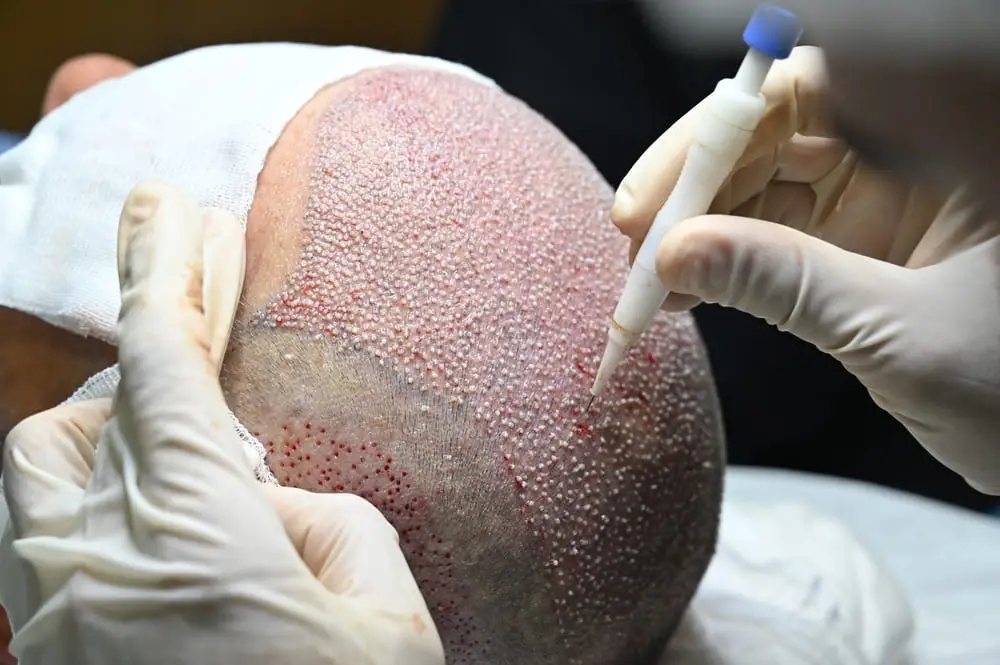
A hair transplant is a surgical procedure that moves healthy hair follicles from a donor area (typically the back of the scalp) to balding or thinning regions. Techniques include FUE (Follicular Unit Extraction) and FUT. It provides permanent, natural-looking results for androgenetic alopecia with minimal scarring.
How Hair Transplant Works
The procedure relies on the concept of donor dominance. Hair on the back and sides of the head is genetically programmed to be resistant to Dihydrotestosterone (DHT), the hormone responsible for male pattern baldness. When these hardy follicles are moved to the front or crown, they retain that resistance and continue to grow for a lifetime.
Who Is a Suitable Candidate for Hair Transplant
Not everyone is a prime candidate. Surgeons look for:
Stable Donor Supply: You need enough healthy hair at the back of your head to “gift” to the front.
Realistic Expectations: It’s about restoration, not necessarily returning to your 16-year-old hairline.
Good Health: Since it’s a minor surgical procedure, being in good physical shape helps with wound healing and recovery.
Types of Hair Transplant Available in Malaysia
In Malaysia, you’ll generally choose between three main “flavors” of restoration.
FUE Hair Transplant (Follicular Unit Extraction)
This is the most popular choice in KL and Penang. The surgeon extracts individual hair follicles one by one using a micro-punch tool.
Pros: No linear scar, faster recovery, and you can wear your hair short.
Cons: More time-consuming and usually more expensive than older methods.
FUT Hair Transplant (Follicular Unit Transplantation)
Also known as “strip surgery,” this involves removing a small strip of scalp from the back of the head, which is then dissected into individual grafts under a microscope.
Pros: Great for transferring large volumes of hair in one session.
Cons: Leaves a linear scar (hidden by longer hair) and has a slightly longer post-operative recovery period.
DHI Hair Transplant (Direct Hair Implantation)
Considered an evolution of FUE, DHI uses a specialized “Choi Pen” to extract and then immediately implant the hair. It offers the surgeon more control over the angle and depth of the hair, often leading to a more natural-looking “swirl” on the crown.
Hair Transplant Cost in Malaysia
Price is usually the big question. Compared to Australia, the UK, or the US, Malaysia offers significant savings without sacrificing clinical quality.
Average Price Per Graft in Malaysia
Most clinics in Malaysia charge per graft. On average, you can expect to pay between RM5 to RM12 per graft. A typical procedure for moderate thinning usually requires 1,500 to 2,500 grafts.
FUE vs FUT vs DHI Price Comparison
| Technique | Estimated Cost (MYR) | Best For |
| FUT | RM8,000 – RM15,000 | Maximum density, lower budget |
| FUE | RM10,000 – RM25,000 | Active lifestyles, no visible scarring |
| DHI | RM15,000 – RM35,000 | High-precision hairlines, premium care |
Factors That Affect Hair Transplant Cost
Number of Grafts: The more “real estate” you need to cover, the higher the price.
Surgeon’s Experience: High-profile doctors in luxury Bangsar or Mont Kiara clinics will charge a premium.
Technology Used: Robotic-assisted FUE (like ARTAS) is generally pricier than manual extraction.
Hair Transplant Procedure: Step by Step
Pre-Procedure Consultation and Assessment
Your journey starts with a “scalp analysis.” The doctor uses a high-powered camera to check your donor density and discusses your goals. They’ll draw a proposed hairline on your forehead—this is your chance to make sure it looks natural!
What Happens During the Procedure
Numbing: Local anesthesia is applied so you won’t feel a thing.
Extraction: Follicles are harvested using your chosen method (FUE/FUT).
Site Creation: The surgeon makes tiny incisions in the thinning area.
Implantation: The grafts are meticulously placed into the incisions.
Pro tip: Most patients spend this time watching Netflix or napping.
Post-Procedure Care and Recovery
The first 48 hours are crucial. You’ll need to sleep with your head elevated and avoid touching the grafts. Most clinics provide a “post-care kit” containing saline spray and special shampoos to keep the area clean.
Hair Transplant Results in Malaysia
How Long Before You See Results
Patience is the name of the game here.
1-3 Months: “Shock loss” occurs where the transplanted hair falls out. Don’t panic! The roots are safe.
4-6 Months: New, fine hairs begin to sprout.
12-18 Months: You see the full, final result of the transplant.
What Is a Realistic Hair Transplant Outcome
A successful transplant should look undetectable. It won’t give you the same hair density you had at age 12, but it will provide enough coverage to frame your face and eliminate the “bald” look.
Before and After: What to Expect
Initially, you’ll look like you have a bit of a sunburn on your head. Within a week, the scabs fall off. By year one, you’ll be styling hair that you haven’t seen in a decade.
Risks and Side Effects of Hair Transplant
Common Side Effects After Procedure
Swelling: It’s common for your forehead to swell slightly for 3–5 days.
Itching: As the incisions heal, they will itch—do not scratch them!
Folliculitis: Small pimple-like bumps that usually clear up with antibiotic cream.
How to Minimise Risks and Complications
Choose a clinic registered with the Ministry of Health Malaysia (MOH). Ensure your surgeon has a valid LCP (Letter of Credentialing and Privileging) for aesthetic medical practice.
Signs of a Failed Hair Transplant
A “failed” transplant usually means poor graft survival (less than 80%) or an unnatural “doll hair” appearance caused by poor placement. This is almost always the result of choosing an unlicensed technician over a qualified surgeon.
Hair Transplant vs Non-Surgical Hair Loss Treatments
Hair Transplant vs PRP Hair Treatment
Platelet-Rich Plasma (PRP) involves injecting your own blood plasma into the scalp. It’s great for thickening existing hair but cannot grow hair on a completely bald patch like a transplant can.
Hair Transplant vs Minoxidil and Finasteride
These medications are “maintenance” tools. Minoxidil and Finasteride work best to stop further loss, whereas a transplant is for restoring what is already gone.
When Surgery Is the Right Choice
If your hair loss has stabilized and you have visible “shiny” bald spots where follicles have died, surgery is the only way to get hair back in that area.
Frequently Asked Questions About Hair Transplant in Malaysia
Is Hair Transplant Permanent?
Yes. Because the donor hair is resistant to the hormones that cause balding, the transplanted hair will continue to grow for the rest of your life.
Is the Procedure Painful?
With local anesthesia, the procedure itself is painless. You might feel some “tightness” or mild soreness for a few days after, but it’s easily managed with paracetamol.
How Many Grafts Do I Need?
It depends on your Norwood Scale classification. A receding hairline might need 1,000 grafts, while a full-head restoration could require 4,000+.
Can I Return to Work After Hair Transplant?
Most people take 3 to 5 days off. If you work in an office, you can go back sooner if you don’t mind the “post-op” look, but for physical jobs, wait at least a week.