
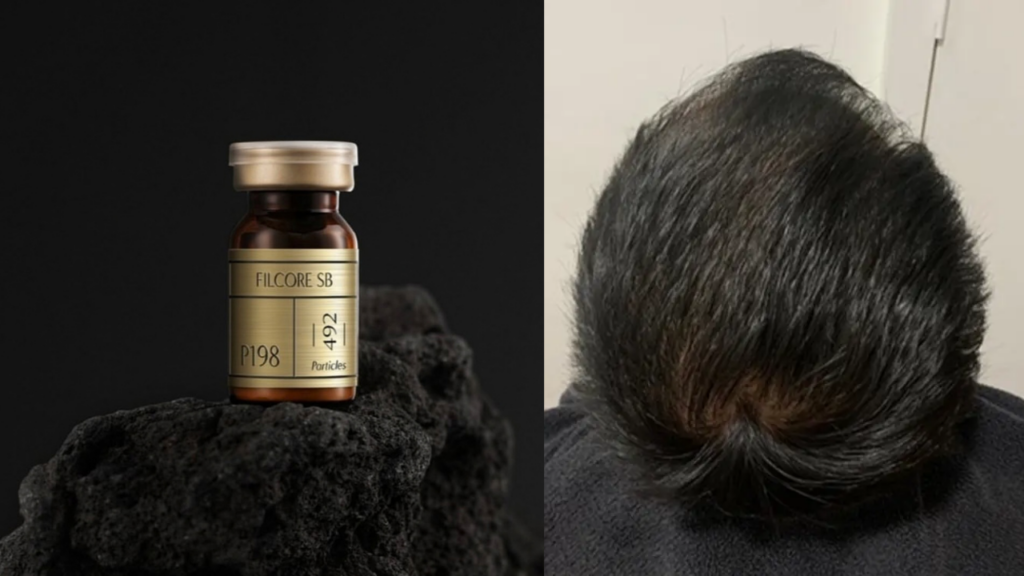
Exosome therapy for hair loss arrived in Malaysian clinics with a lot of enthusiasm behind it and yet, with not much explanation. If you have been quoted a price for it, you have probably been told it is the newest thing available and left to work out the rest yourself. In this article, we cover what exosomes actually are, what the research has found so far, and where the evidence is still catching up.
The Short Answer
The research so far points in a positive direction, with one important caveat.
Multiple clinical studies have reported improvements in hair density and thickness with exosome therapy, and one properly controlled trial conducted here in Malaysia found a clear difference against a placebo. That is real evidence and worth taking seriously.
The caveat is that the body of research behind exosomes is much smaller and younger than the research behind treatments like minoxidil, finasteride or PRP. Researchers reviewing the field consistently say the same thing, which is that early results look promising and larger, better-designed trials are needed to confirm them.
Everything below is the detail behind that.
What Exosomes Actually Are
Tiny Messengers Between Cells
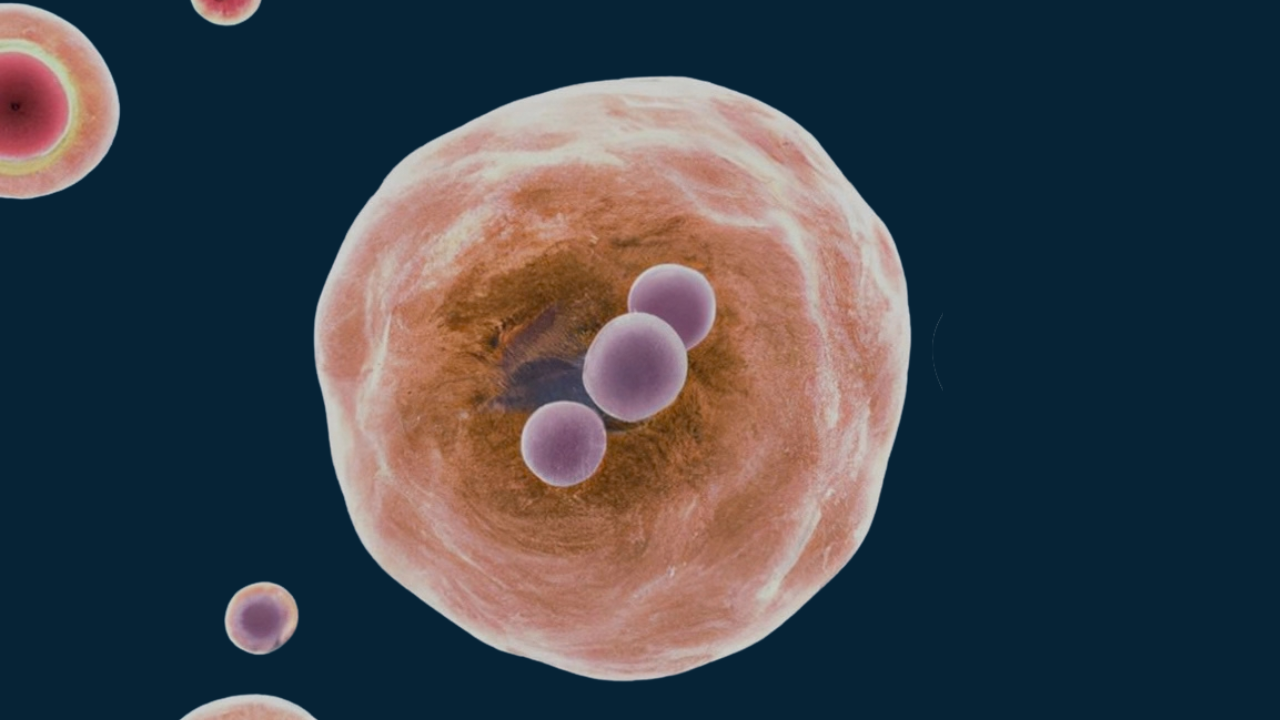
Your cells talk to each other constantly. One of the ways they do it is by releasing exosomes, which are extremely small packages that travel between cells carrying instructions.
Think of them less as a medicine and more as a delivery service. What they carry are proteins and genetic signals that tell the receiving cell what to do, whether that is repair itself, multiply, or build a better blood supply.
Why That Matters for Hair Growth
A weakened hair follicle is a follicle that has stopped receiving strong enough growth signals. It shrinks, the hair it produces gets finer, and eventually it stops producing anything visible at all.
Exosome therapy delivers a concentrated dose of those growth signals directly into the scalp. The idea is straightforward enough: give the follicle the instructions it is no longer getting, and it may return to its active growing phase.
Laboratory and animal research has shown exosomes prompting hair follicles to move from their resting phase back into growth, and encouraging the cells at the base of the follicle to multiply. The question that matters more to you is whether that translates to real people, which is where the clinical trials come in.
What the Research Shows
A Malaysian Trial Worth Knowing About
Most research on hair loss treatments comes out of Korea, Europe or the United States. This one, however, is a local case.
In 2025, researchers at UCSI University in Kuala Lumpur published a randomised, double-blind, placebo-controlled trial of an exosome formulation for male pattern hair loss. Twenty men with early to moderate hair thinning received four treatment sessions spaced roughly two weeks apart, with half receiving the exosome formulation and half receiving a saline placebo. Neither the participants nor the assessors knew who had received which.
After 16 weeks, the placebo group showed no meaningful change in hair count. The exosome group did, and the difference between the two groups was statistically significant. Participants in the treatment group also reported noticeably higher satisfaction with their results.
In regards to safety, no severe side effects were reported. Two participants experienced mild scalp irritation that settled on its own.
What this trial shows is a properly controlled result, conducted locally, showing exosome therapy outperforming a placebo.
The Wider Picture
A 2025 systematic review examined 11 clinical studies of exosome therapy for hair loss, covering exosomes drawn from a range of different sources. Across those studies, the reviewers found consistent improvements in hair density, hair thickness and overall scalp coverage. The researchers also found that the studies vary considerably in how they were designed and that stronger evidence is still being sought after.
How Exosome Therapy Compares to PRP
Both Exosome and PRP hair treatments work on the same principle, which is delivering growth signals into the scalp to stimulate weakened follicles. The difference is where those signals come from.
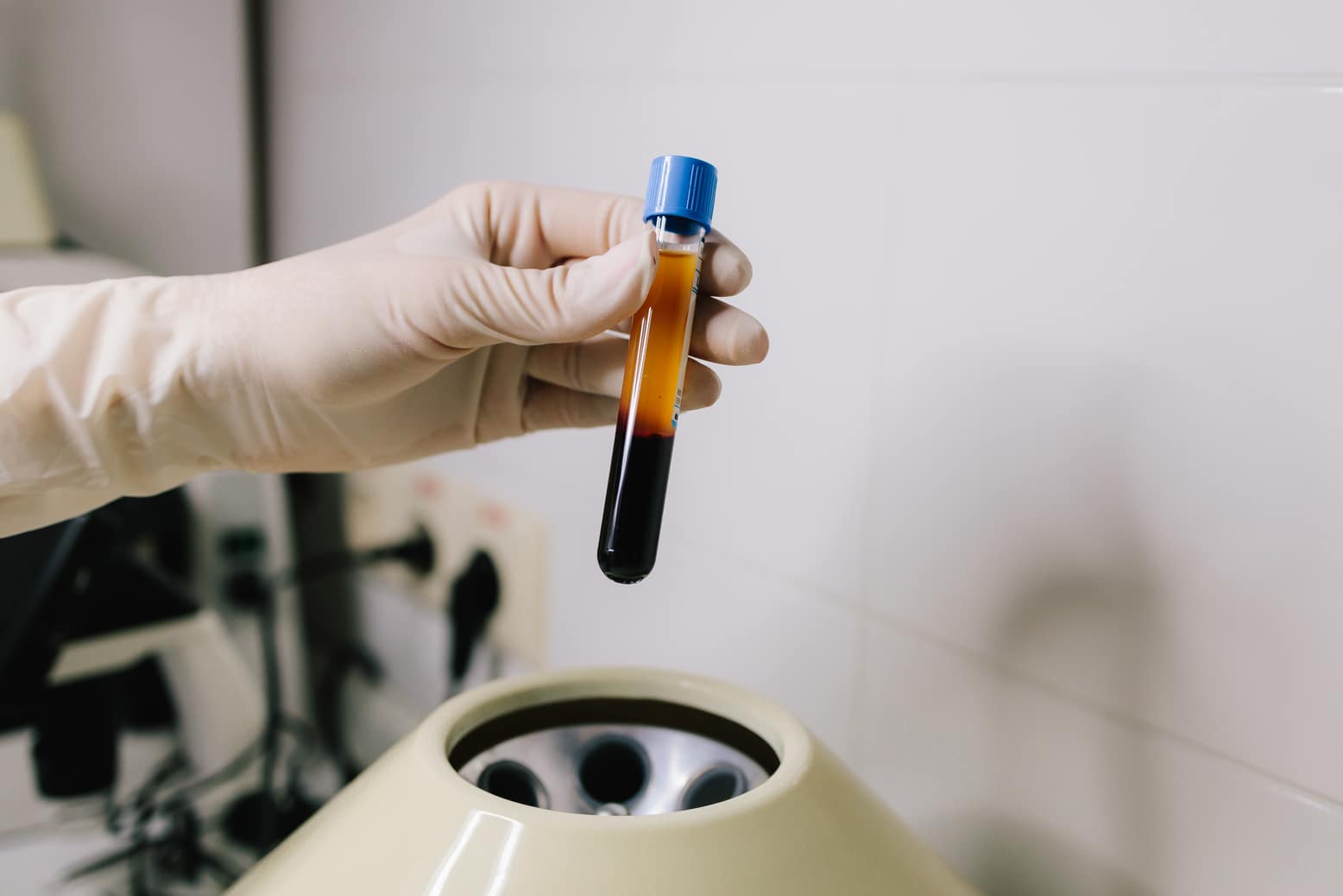
PRP is made from your own blood, drawn on the day and processed in the clinic. Its strength depends on the quality of your blood at that moment, which varies between people and even between visits.
Exosomes are prepared in a laboratory to a consistent standard. Every dose is the same. There is also no blood draw involved, which matters to patients who cannot easily give a sample or would rather not.
Exosome therapy costs more per session. PRP has more research behind it. Whether the difference is worth paying for depends on your case, which is a conversation for a consultation rather than a decision to make from a price list.
Not All Exosomes Are the Same
“Exosome therapy” is not just one product. Exosomes used in hair treatment can be derived from several different sources, including stem cells taken from various tissues, and from plants. The Malaysian trial described above used a plant-based formulation. Many of the studies in the wider review used stem cell derived exosomes.
The two types of exosomes have uniquely distinct preparations. In this case, they are not interchangeable and the results for one type of exosome does not automatically apply to the other.
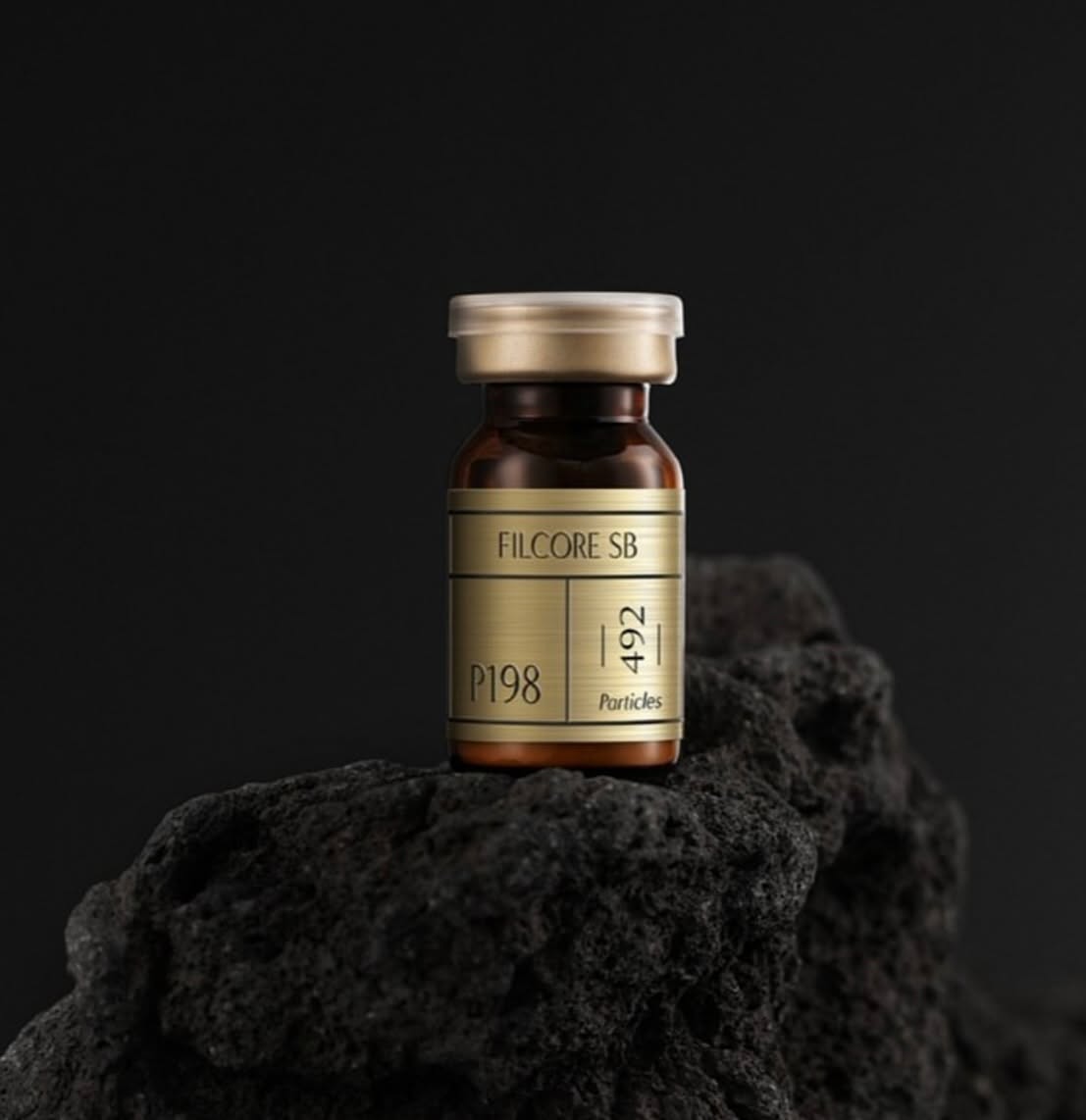
At DR-Hair, the type of Exosome product we use is P198 Exo-HL, a product powered by Edelweiss plant stem cell-derived exosomes and peptides. Our product and exosome hair treatment is compliant under Ministry of Health (MOH/KKM) regulations, ensuring professional clinical standards for your needs.
Who Exosome Therapy Suits

Advanced Thinning
Where thinning has progressed beyond the earliest stage, a stronger and more consistent signal may be useful. This is the group exosome therapy is most often recommended for.
Patients Whose Results Stopped Improving
If you have completed a course of PRP and your progress has stalled, exosome therapy is one of the options worth discussing. It is not a replacement for what you have already done so much as a different way of stimulating the same follicles.
When a Blood Draw Is Not Practical
Some patients cannot give a suitable blood sample. Some would simply rather not. Since exosome therapy does not need one, it opens a route for people who would otherwise be limited to creams and tablets.
Where It Has Limits
Exosome therapy acts on follicles that are still alive but weakened. Where an area of scalp has been completely smooth for several years, the follicle is no longer there, and no amount of signalling changes that. Those areas are generally better suited to a transplant assessment.
Any active scalp infection needs treating first. Patchy hair loss caused by the immune system is a different problem and needs a medical assessment before treatment is considered.
What Treatment Involves
There is no blood draw, so your appointment starts with numbing cream. The solution is then delivered across the thinning areas through a series of micro-injections. Most patients describe brief pinpricks rather than pain, and the whole appointment takes around 45 minutes with no real downtime afterwards.
Treatment is given as a course rather than a single session, spaced a few weeks apart, with maintenance afterwards. Trials in this area typically measure results at around the four month mark, which is a reasonable point to judge your own progress.
As for what to expect and when, reduced shedding usually comes first, followed by visible regrowth at around month three, with the clearest improvement generally showing around month six. Response varies from person to person.
Reported side effects are mild. Scalp tenderness, brief swelling and pinpoint bleeding at the injection sites are the usual ones, and they settle on their own. As with any medical procedure, your suitability should be assessed individually before you begin.
Exosomes Work Best Alongside Other Treatment
Exosome therapy stimulates follicles. It does not block DHT, which is the hormone behind most pattern hair loss.
That means a plan built around exosome therapy alone is usually incomplete. For most patients with pattern loss, the sensible foundation is minoxidil and finasteride where clinically appropriate, with a regenerative treatment layered on top to stimulate the follicles that foundation is protecting. Where something else is contributing, such as low iron, a thyroid issue or scalp inflammation, that needs addressing too.
This is why an assessment matters more than a treatment menu. Knowing what is actually causing your hair loss is what determines whether exosome therapy is the right answer for you, or whether something cheaper and better established would do the same job.
Start With an Assessment at DR-Hair

The research tells you whether exosome therapy works in general. Whether it is the right treatment for you depends on what is causing your hair loss and how far it has progressed.
At DR-Hair in Petaling Jaya, we start with a scalp analysis that measures how dense your hair is and how far the thinning has gone. From there we can tell you whether exosome therapy makes sense for your case, or whether something else would serve you better. Book a consultation today!
References
- A Pilot Randomized Controlled Trial (RCT) Evaluating the Efficacy of an Exosome-Containing Plant Extract Formulation for Treating Male Alopecia. Amini F, Teh JJ, Tan CK, et al. Life. 2025.
- Exosomes and Hair Regeneration: A Systematic Review of Clinical Evidence Across Alopecia Types and Exosome Sources. Al Ameer MA, et al. Clinical, Cosmetic and Investigational Dermatology. 2025. Review.