
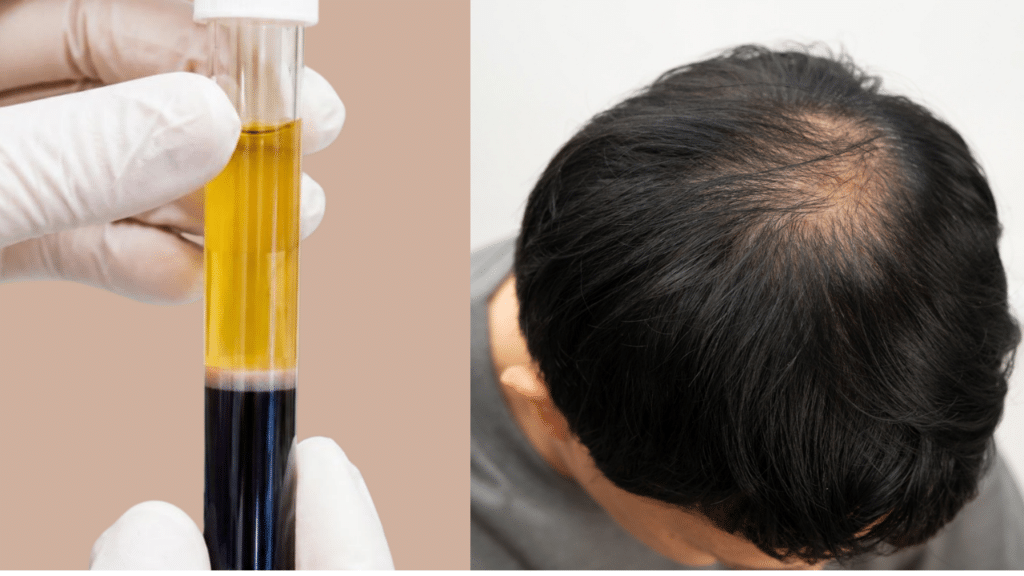
PRP has been studied for hair loss for over a decade, and there is a real body of evidence behind it. That evidence says something clear about one outcome and something less clear about another. This article walks through what has actually been measured, so you can weigh it up before spending anything.
The Short Answer
For the right kind of hair loss, the evidence supports it, with two qualifications. The first is that trials consistently show PRP improves hair density, meaning the number of hairs growing in a given area, while the evidence that it thickens individual strands is much weaker. The second is that PRP tends to perform better as part of a combined treatment plan than it does on its own, which is how international guidelines approach it. Everything below is the detail behind those two points.
What the Research Shows
More Hair Is the Strongest Finding
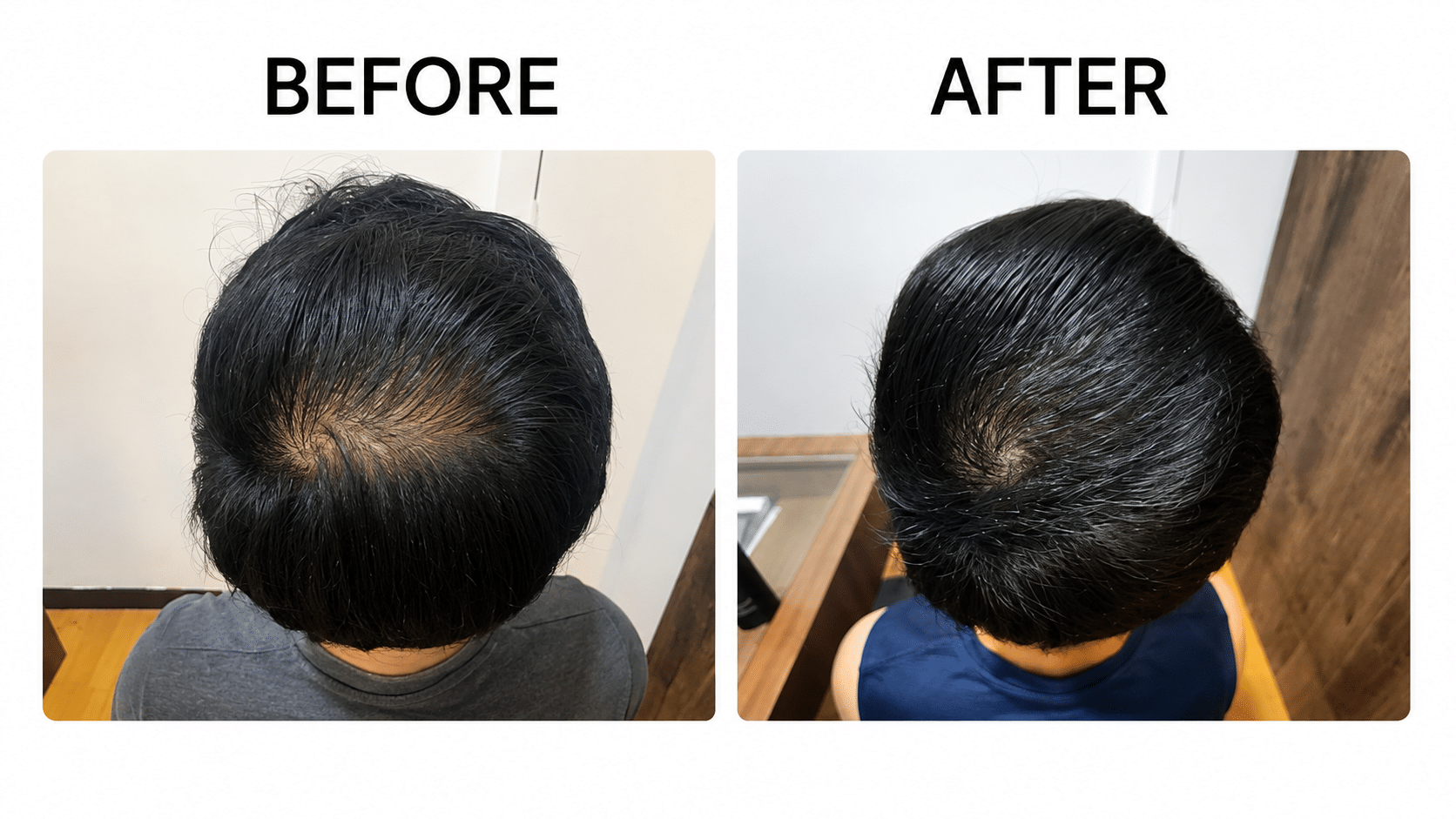
In 2023, a team of researchers reviewed nine separate clinical trials covering 238 people with pattern hair loss. They found that people treated with PRP grew measurably more hair than those given a dummy treatment, at both the three month and six month marks. Several other review teams have since pooled different sets of trials and arrived at similar conclusions. That consistency across independent groups is what makes increased hair density the most defensible thing anyone can say about PRP.
Thicker Individual Strands Is a Weaker Result
The same reviews are noticeably less positive about hair thickness. Researchers have generally found that while people’s hair did appear thicker compared to where they started, the improvement was not clearly better than what the comparison group experienced. In other words, the effect could not be reliably separated from chance. This matters practically. If you are hoping PRP will make each individual strand noticeably thicker, that is not what the evidence currently points to. What it points to is more hairs rather than thicker ones.
What the Researchers Themselves Note
Reviews in this field are generally candid about their own limitations. The underlying trials vary a great deal in size, method and quality, and researchers consistently call for larger and better-designed studies. The fair summary is that PRP works, that the improvement in hair density is real and repeatable across trials, and that the size of that improvement is probably somewhat more modest than the most enthusiastic figures suggest.
Why PRP Works When It Works
What Your Blood Actually Delivers
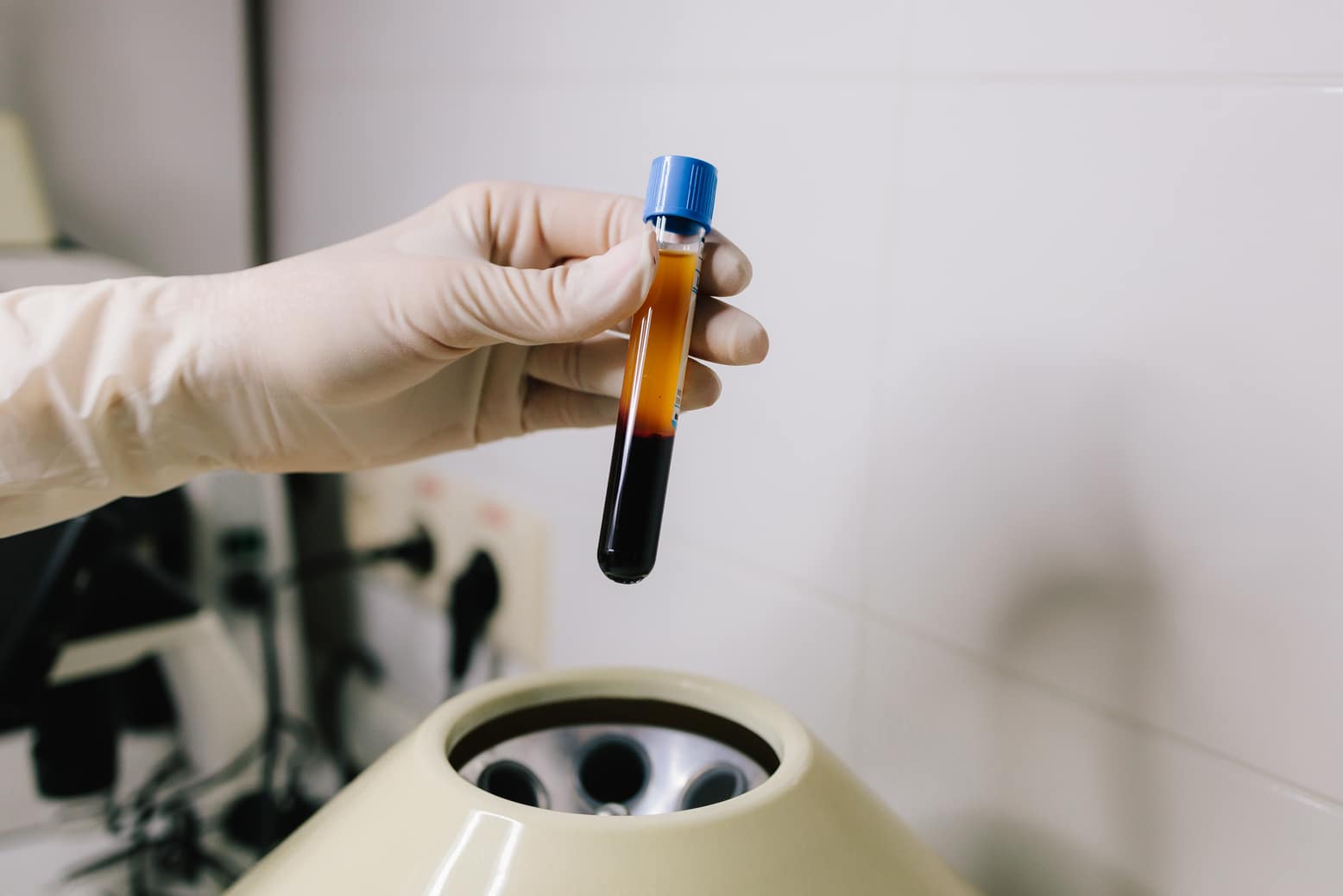
Platelets are the part of your blood best known for clotting a cut. They also carry growth factors, which are the signals your body uses to trigger repair whenever tissue is damaged.
Concentrating those platelets and introducing them into the scalp via dermapen delivers a strong dose of those repair signals to the base of your hair follicles. In response, follicles build a better blood supply, which improves the oxygen and nutrients reaching the root, and follicles that had been cutting their growing phase short tend to stay in it longer.
Living Follicles Are the Precondition
In pattern hair loss, a hormone called DHT gradually causes follicles in sensitive areas of the scalp to shrink. The hair they produce becomes finer, loses its colour, and eventually becomes the barely visible fuzz you can only see up close.
PRP acts on follicles somewhere along that spectrum. It has far less to work with once a follicle has reached the end of it. This single fact explains most of the variation in results between patients, and it is why an honest assessment of where you sit on that spectrum is worth more than any comparison of clinic pricing.
Where PRP Works Best
Pattern Hair Loss
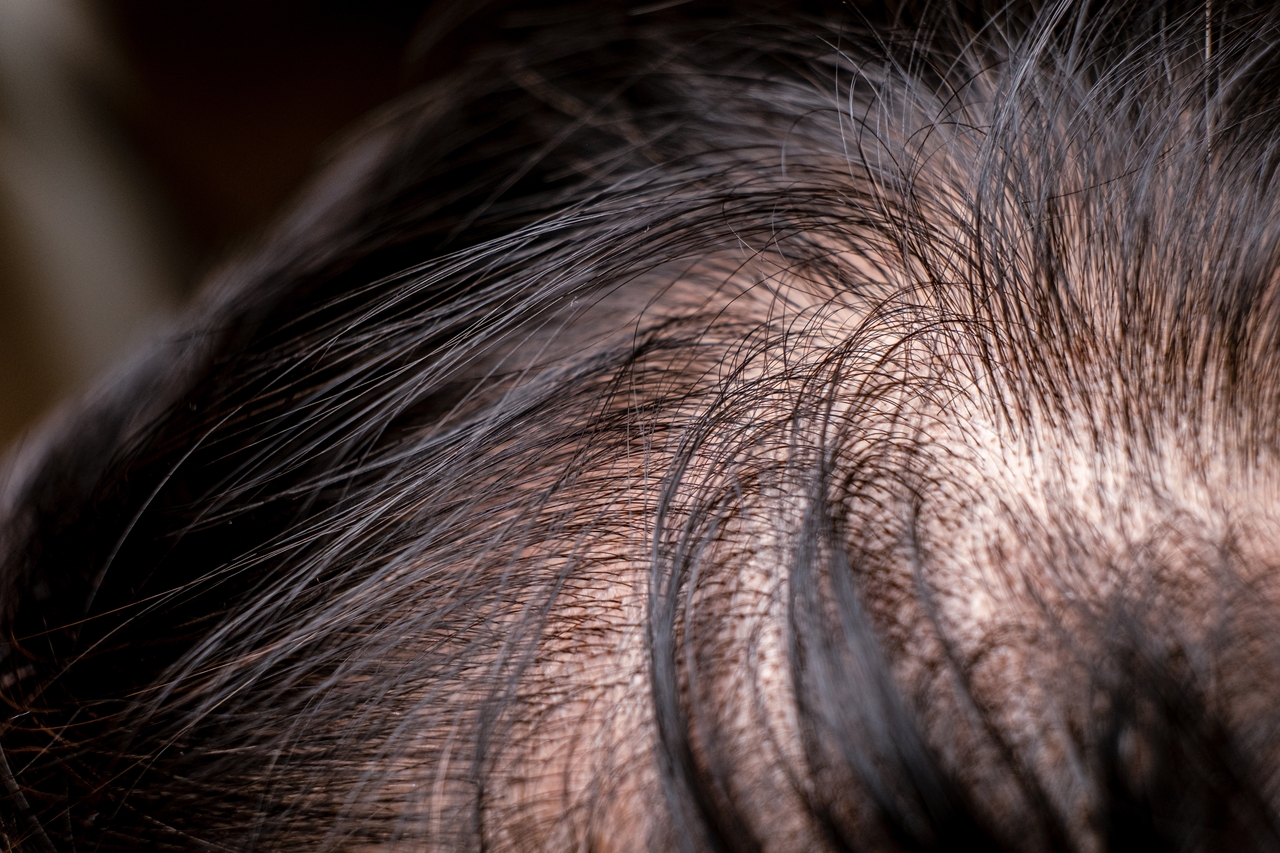
This is where nearly all the trial evidence sits, and where PRP has the strongest case. People with early to moderate thinning, where follicles are still producing hair even if it is fine and weak, tend to respond best.
Men and Women
Trials have tended to record larger measured gains in men than in women, though this does not mean PRP is ineffective for women. Part of the explanation is likely how the two present. Male pattern loss usually appears as a receding hairline or a thinning crown, which is straightforward to measure in a defined area. Female pattern loss more often shows up as thinning spreads across the top of the scalp, which is harder to capture in the same way and may follow a different timeline. Women remain reasonable candidates. It is simply worth setting expectations a little more conservatively.
Shedding After Stress, Illness or Childbirth
A serious illness, dengue recovery, major stress or giving birth can push a large share of your follicles into their resting phase at once, producing heavy shedding a few months later.
The follicles themselves are healthy in these cases, and recovery normally happens on its own. PRP may help that recovery along by encouraging follicles back into growth sooner.
Around a Hair Transplant
PRP before surgery helps prepare the area the grafts will be taken from. Afterwards it supports the survival of new grafts and strengthens the existing hair around them, which is often what makes the difference between a transplant that looks natural and one that looks patchy.
Where PRP Works Less Well
Long-Established Baldness
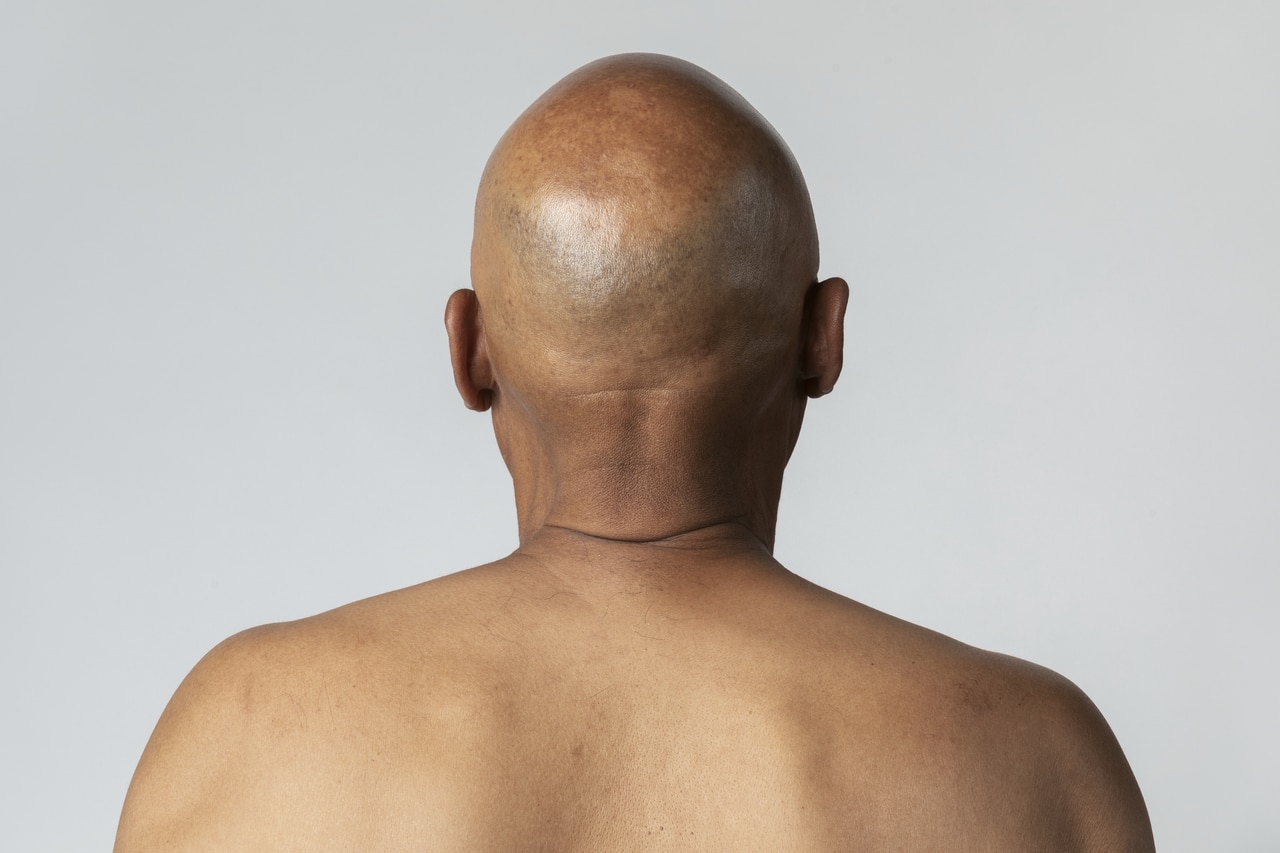
Where an area of scalp has been completely smooth for several years, the follicle has been replaced by scar-like tissue. There is no longer a structure for a dermapen application to act on, and these areas are generally addressed by a transplant rather than by stimulation.
Factors That Reduce the Response
Because PRP is made from your own blood, the quality of your blood matters. A low platelet count, a chronic liver condition or a blood disorder can all reduce what is available to work with.
Smoking is consistently associated with weaker results, since nicotine narrows the very blood vessels PRP depends on. Any active scalp infection needs treating first.
Hair Loss That Scars the Scalp
Some conditions destroy the follicle by scarring the scalp around it. These conditions are a different clinical problem, they need to be diagnosed and managed by a dermatologist to stop the underlying inflammation, and PRP is not a substitute for that care.
PRP Works Better in Combination
PRP and Minoxidil Together
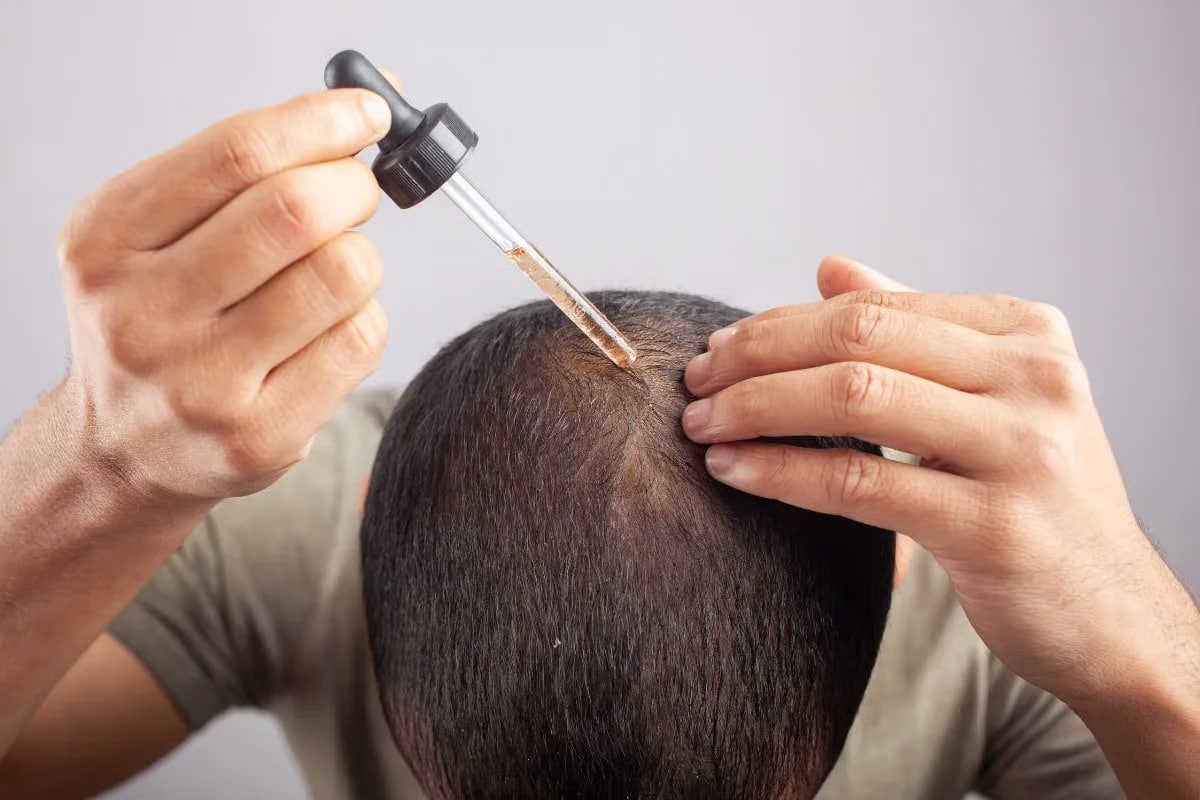
In 2024, a research team pooled six clinical trials covering 343 patients that had compared PRP and minoxidil used together against either one used alone. The combination came out ahead of both. That answers a question many patients arrive with, which is whether PRP lets them stop the daily routine. On the current evidence it does not, and the two used together look more effective than choosing between them.
Why the Medication Comes First
Minoxidil widens the blood vessels supplying the follicle and helps keep it in its growing phase. Finasteride blocks the hormone that causes the follicle to shrink in the first place.
PRP does neither of those things. It stimulates follicles without addressing what is causing their decline. Used on its own against active pattern hair loss, it is working against a process that carries on unchecked between sessions. Used on top of medication that has slowed that process, it has considerably more to build on.
What a Complete Plan Looks Like
For most people with pattern hair loss, that means the foundation medication where it is clinically appropriate, PRP layered on top, and any contributing factor such as low iron, a thyroid issue or scalp inflammation identified and treated alongside.
A plan built around a single treatment is usually incomplete, whichever treatment it is built around. Our complete guide to PRP hair treatment in Malaysia sets out how the options fit together, and we cover the medications individually in our guides to minoxidil and finasteride.
How the Treatment Is Delivered Affects the Result
How the Plasma Is Prepared
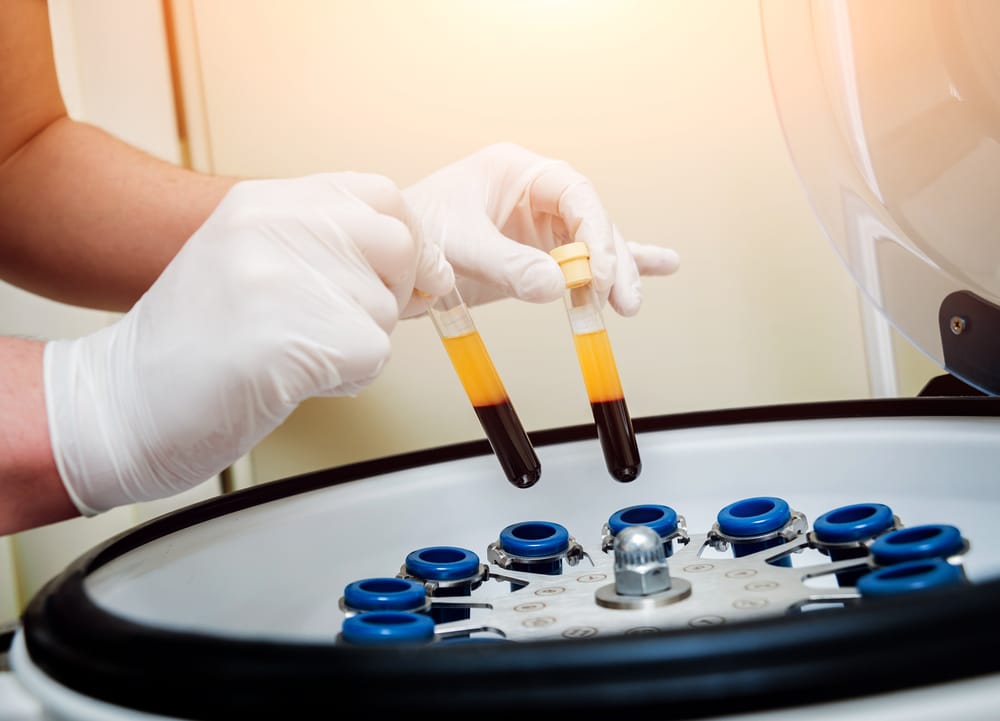
Clinics prepare PRP in slightly different ways. Some spin the blood sample once, which is quicker. Others spin it twice, which changes what ends up in the final preparation.
Both are established methods, and research comparing them directly has found the results broadly comparable. What matters more than the method itself is that the preparation is done properly in a clinical setting, by a practitioner who can explain the process they use.
Session Count and Spacing
Almost every trial showing a positive result used three sessions at roughly monthly intervals, with results measured at three and six months. That schedule is not arbitrary. It follows the hair growth cycle, and it is the pattern the evidence actually supports.
A single session is not a course, and a course squeezed into a few weeks is not following what the research validates.
What to Ask
Beyond the preparation method and the number of sessions, it is worth asking whether a scalp analysis is included before treatment begins, and what the clinic recommends alongside PRP. Both answers tell you a lot about how the treatment is being approached.
How Fast Can I See Results?

PRP does not change the genetics behind pattern hair loss, so the underlying process resumes after treatment. A completed course generally holds for 12 to 18 months before density begins to drift back, which is why maintenance sessions every three to six months form part of the commitment.
Being clear about this matters. PRP is not a one-time correction. It is ongoing management of a condition that progresses, and it is better to decide whether that fits your circumstances before starting rather than midway through.
Is PRP Safe?
PRP has a well-established safety record. Trials have not reported serious adverse reactions. What most people experience afterwards is mild scalp tenderness, brief swelling and pinpoint bleeding at the dermapen sites, all of which settle on their own within a day or so.
The main risk worth knowing about is infection, which is uncommon when the procedure is carried out in a sterile clinical setting by a properly credentialed doctor. In Malaysia, aesthetic dermapen applications may only be performed by a doctor holding a Letter of Credentialing and Privileging (LCP-Certified), which is a specific approval issued by the Ministry of Health. As with any medical procedure, your suitability should be assessed individually before you begin.
How to Tell Whether It Is Working for You
Reduced shedding usually comes first, often after the second session, and it is easy to miss because it registers as an absence rather than a change. Visible regrowth typically begins around month three. The clearest improvement generally shows around month six, which matches the point at which trials measure their results.
The most reliable way to judge your own response is a digital scalp scan before you start and another at the six-month mark, since that gives you an actual measurement rather than an impression. Mirrors and memory are unreliable instruments for something that changes this slowly.
Find Out If PRP Is Right for You at DR-Hair

The research answers whether PRP works in general. Whether it works for you depends on the condition of your scalp.
At DR-Hair, we start with a scalp analysis that measures how dense your hair actually is and how far the shrinking has progressed. Book a consultation, get your scalp scanned, and find out what treatment plan suits your hair.
References
- Platelet-Rich Plasma for Androgenetic Alopecia: A Systematic Review and Meta-Analysis of Randomized Controlled Trials. Zhang X, Ji Y, Zhou M, et al. Journal of Cutaneous Medicine and Surgery. 2023. Review.
- Meta-Analysis of Efficacy of Platelet-Rich Plasma Combined with Minoxidil for Androgenetic Alopecia. Xiao C, Zhang GH, Li HQ, et al. Aesthetic Plastic Surgery. 2024. Review.