
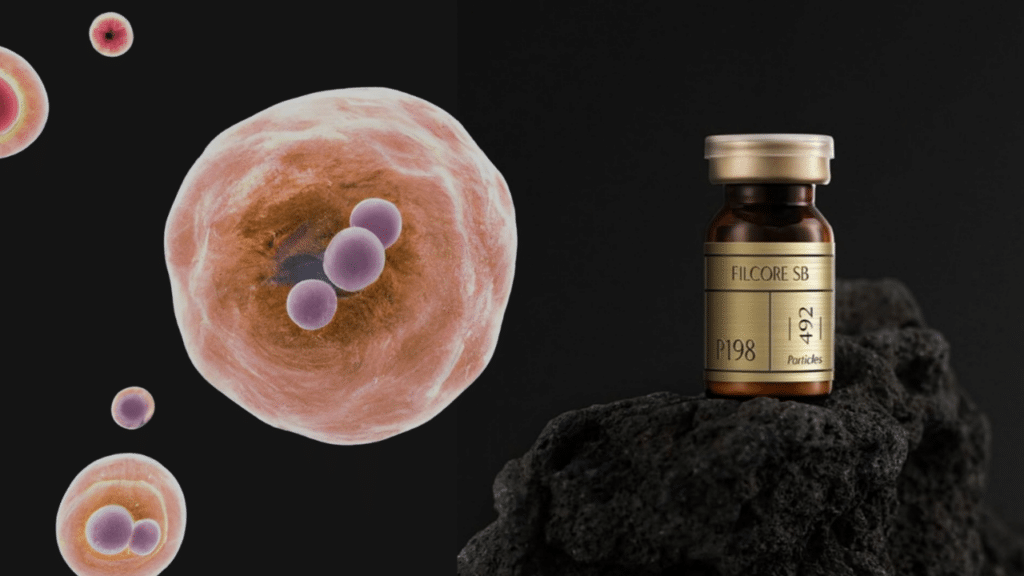
It is easy to mistake exosome therapy as a single product when it is not. What ends up in the vial depends on where the exosomes came from and how they were made. That is why two clinics can quote very different prices for something that sounds identical to the layperson. In this article we explore what exosomes are, where they come from, and what it means for your hair.
What Are Exosomes, and What They Are Made Of
Exosomes are tiny particles released by cells, made of a protective outer membrane carrying proteins, growth factors, and genetic messages. Those used in hair treatment are most commonly derived from stem cells or from plants. Their quality depends on how the product is manufactured and whether it is properly registered.
Every exosome is wrapped in a membrane made of the same material as the outer layer of a cell. That wrapper protects the contents on the journey and helps the exosome merge with the cell it is delivering to, so the cargo arrives intact rather than breaking down along the way. Inside are two things that matter for hair.
Proteins and Growth Factors
One of the things that make up exosomes are proteins and growth factors. These proteins and growth factors act as signals your body uses to tell cells to repair, multiply or build a better blood supply.
Genetic Messages
Exosomes also consist of genetic messages. These short pieces of material include messenger RNA and microRNA, which influence how the receiving cell behaves.
You do not need to follow the details. The point is that exosomes deliver information rather than nutrition, which is why they are described as messengers rather than as a supplement. They are also extremely small, measuring 30 to 150 nanometres against a human hair at roughly 80,000 nanometres across. That size is what allows them to travel through scalp tissue and reach the base of the follicle.
What This Means for Your Hair
A thinning hair follicle is rarely a dead one. In pattern hair loss, follicles gradually shrink under the influence of DHT, producing finer and weaker hair with each growth cycle until the hair becomes barely visible. The follicle is still there. It has simply stopped receiving strong enough signals to keep producing properly.
That is the gap exosome therapy is designed to fill. When exosomes are delivered into the thinning areas of your scalp, they reach the cells at the base of the follicle and deliver a concentrated dose of repair signals. Growth factors prompt the follicle to build a better blood supply, which improves the oxygen and nutrients reaching the root. Others encourage the follicle back into its active growing phase and help it stay there longer.
In practice, this tends to show up as reduced shedding first, then finer new hairs coming through, then a gradual improvement in overall density across three to six months depending on the individual’s overall health. While this is what one can expect for the treatment results in general, how fast and how well the results show is largely dependent on the individual’s healthy or unhealthy lifestyle habits. Two things follow from this. The first is that exosome therapy works on follicles that are still alive, which is why an area of scalp that has been completely smooth for years needs a different approach. The second is that what is actually in the vial matters, because the treatment is only as good as the signals it delivers.
Where Exosomes Come From
Stem Cell Derived
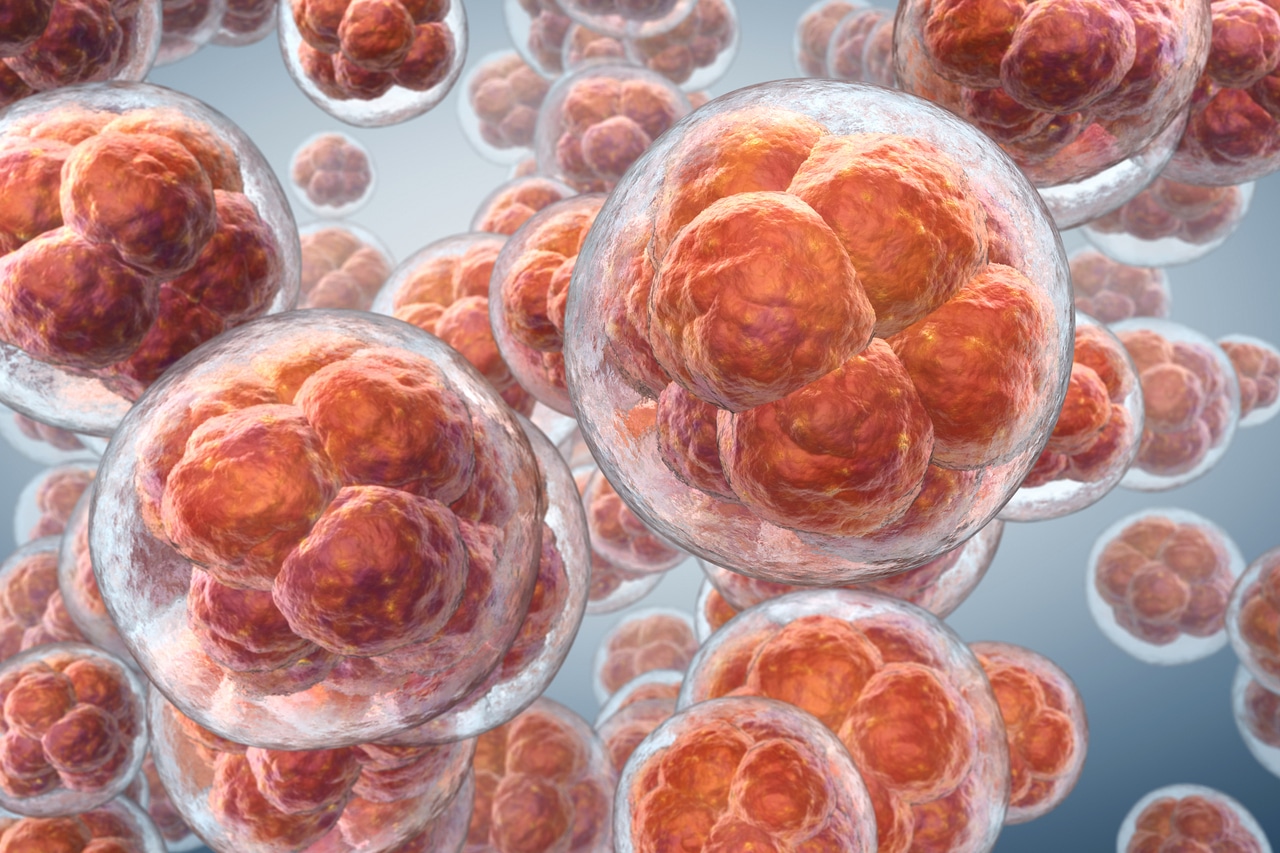
Exosomes collected from cultured mesenchymal stem cells, which are known for their role in tissue repair. A 2025 review of clinical studies on exosomes for hair found these were drawn from a range of tissues including fat, umbilical cord, bone marrow and placenta. Worth being clear on: the treatment contains no stem cells. The cells are cultured in a laboratory, the exosomes they release are collected, and the cells stay behind. You receive the messenger, not the cell.
Plant Derived

Plants release exosome-like particles too. These types of exosomes are used in some hair treatments to-date.
The strongest local evidence sits here. A 2025 trial run by researchers at UCSI University in Kuala Lumpur used a plant-based formulation and found that men treated with it grew significantly more hair than those given a placebo over 16 weeks.
Why the Source Matters
Different source cells package different contents, so an exosome from fat tissue is not identical to one from a plant extract. A study showing a good result for one type does not automatically apply to another, and two products described in identical marketing language may contain quite different things. That is the main reason exosome prices vary between clinics.
What We Use at DR-Hair
Our exosome hair treatment uses P198 Exo-HL, a formulation powered by Edelweiss plant stem cell-derived exosomes and peptides. The product and the treatment are regulated under the Medical Device Authority (MDA) and compliant with Ministry of Health (MOH/KKM) requirements, which means both the product and the clinical standards behind it have been through a formal Malaysian process rather than arriving through an informal channel. We are happy to talk you through it at your consultation.
What Makes a Quality Exosome Product for Hair?
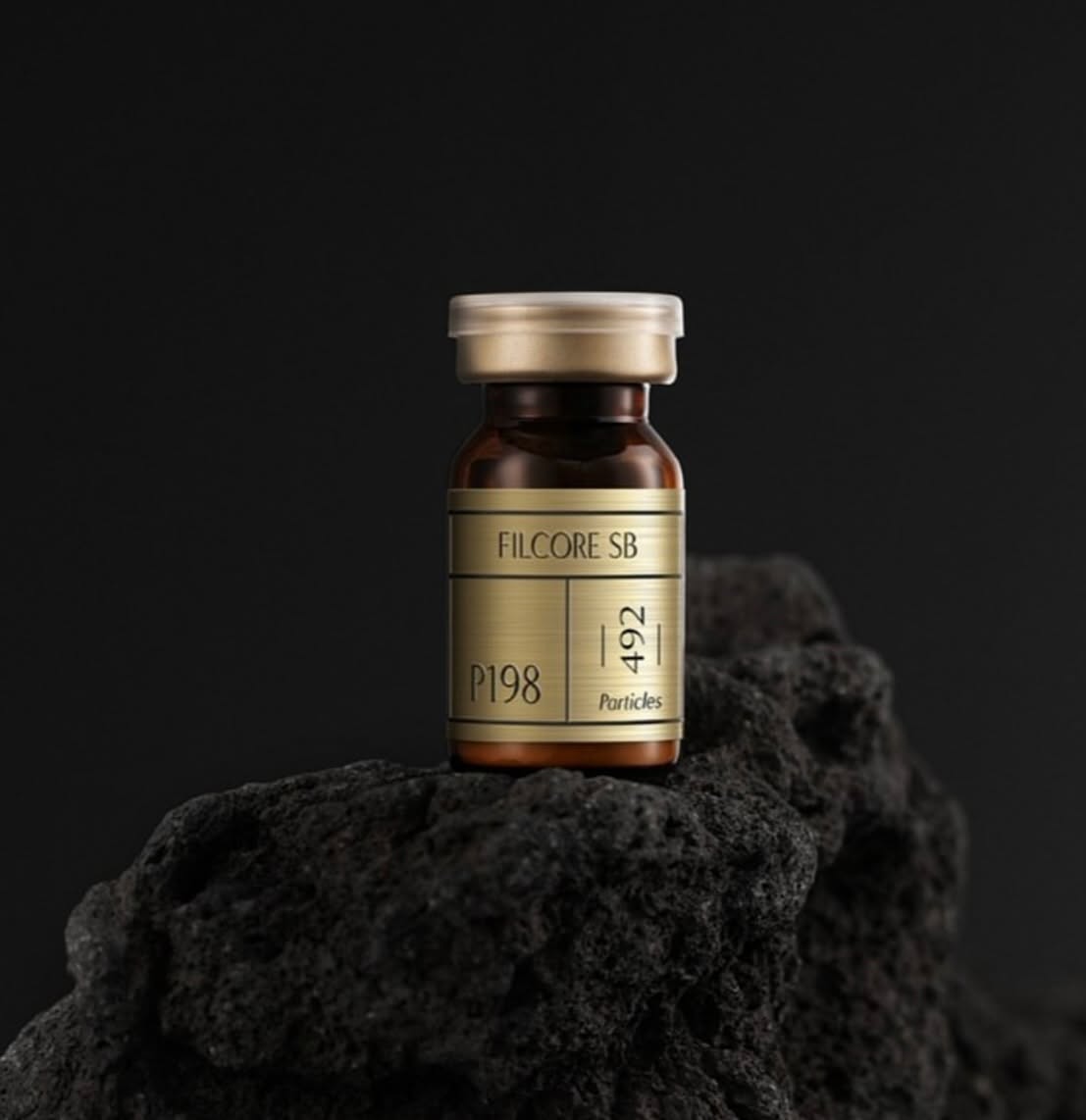
The quality of exosome products for hair are based on three factors, namely, how it is manufactured; concentration and purity; as well as Malaysian regulatory registration.
How It Is Manufactured
Well-made exosome products come from facilities operating to recognised pharmaceutical manufacturing standards, often described as cGMP. That covers how the cells are cultured, how the exosomes are isolated and purified, and how the finished product is stored.
Concentration and Purity
Two products can both be called exosome therapy and contain very different amounts of actual exosomes. Higher concentration and higher purity cost more to achieve, which is a substantial part of the price difference you will see between clinics.
Malaysian Regulatory Registration
Products of this kind are overseen either by the Medical Device Authority or the National Pharmaceutical Regulatory Agency, depending on how the product is classified. Either way, a registered product has been through a formal review. This is one of the clearest quality signals available to a patient, and it takes one question to establish.
Clearing Up the Terminology
Exosomes and Stem Cell Therapy are Not the Same
Stem cell therapy introduces living cells. Whereas exosome therapy introduces only the particles those cells release, which is why it is described as cell-free.
Exosomes and Secretome are Not the Same Either
Secretome means everything a cell releases. Exosomes are one component of it. Every exosome product comes from a secretome, but not every secretome product has been purified to isolate the exosomes.
Exosomes and PRP Differ in Source
PRP is made from your own blood on the day, so its strength depends on your blood. Exosome therapy uses a product prepared to a consistent standard before it reaches the clinic. Our guide on exosomes compared with PRP covers this properly.
What to Ask Your Clinic
If you are checking the kind of exosome product your clinic provides for hair regrowth, here are three questions you can ask:
- Which exosome product do you use, and who makes it?
- Where are the exosomes derived from?
- Is it registered with the relevant Malaysian authority?
A hair clinic that has chosen its exosome supplier deliberately will answer all three without hesitation.
Get Exosome Therapy for Hair Today

At DR-Hair in Petaling Jaya, every course starts with a digital scalp analysis so we can tell you whether exosome therapy suits your pattern of hair loss in the first place. Trial sessions start at RM688, including a 20-minute scalp analysis and consultation, against a normal price of RM1,200.
Read more about exosome therapy at DR-Hair, or book a consultation today!
References
- Exosomes and Hair Regeneration: A Systematic Review of Clinical Evidence Across Alopecia Types and Exosome Sources. Al Ameer MA, et al. Clinical, Cosmetic and Investigational Dermatology. 2025. Review.
- A Pilot Randomized Controlled Trial (RCT) Evaluating the Efficacy of an Exosome-Containing Plant Extract Formulation for Treating Male Alopecia. Amini F, Teh JJ, Tan CK, et al. Life. 2025.