
You notice it in the shower drain first. Then in photographs. By the time most people start searching, they have already spent a few months telling themselves it is the lighting. PRP has become one of the most requested hair loss treatments in Malaysia, and one of the least clearly explained. Here we cover what the treatment involves, what it costs here, what the research supports, and where it fits alongside everything else available.
What Is PRP Hair Treatment?
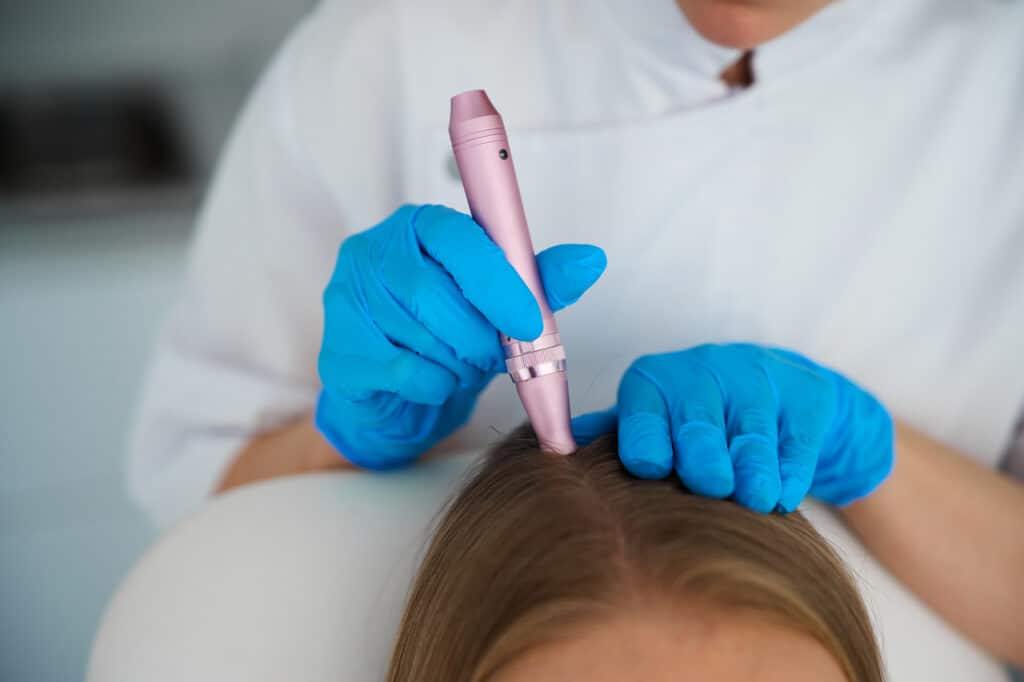
PRP stands for platelet-rich plasma. A small amount of your blood is drawn, spun in a machine to concentrate the useful part, and injected into the areas of your scalp where hair has started to thin.
How Your Own Blood Stimulates Hair Growth
Platelets are the part of your blood best known for clotting a cut. They also carry growth factors, which are the signals your body uses to trigger repair whenever tissue is damaged. Concentrating those platelets and injecting them into the scalp delivers a strong dose of those repair signals directly to the base of your hair follicles. The follicles respond by improving their blood supply, returning to their active growing phase, and producing stronger hair. It helps to be clear about what that means. PRP is not adding new hair. It is improving the performance of the hair you still have.
Why Using Your Own Blood Matters
Nothing foreign goes into your body, which is the biggest safety advantage PRP has over other injectable treatments. There is nothing for your body to react against or reject.
It also means your plasma is only as good as your blood. Two patients on identical treatment plans can end up with noticeably different results, which is part of why outcomes vary from person to person.
How PRP Works, Step by Step
The Blood Draw
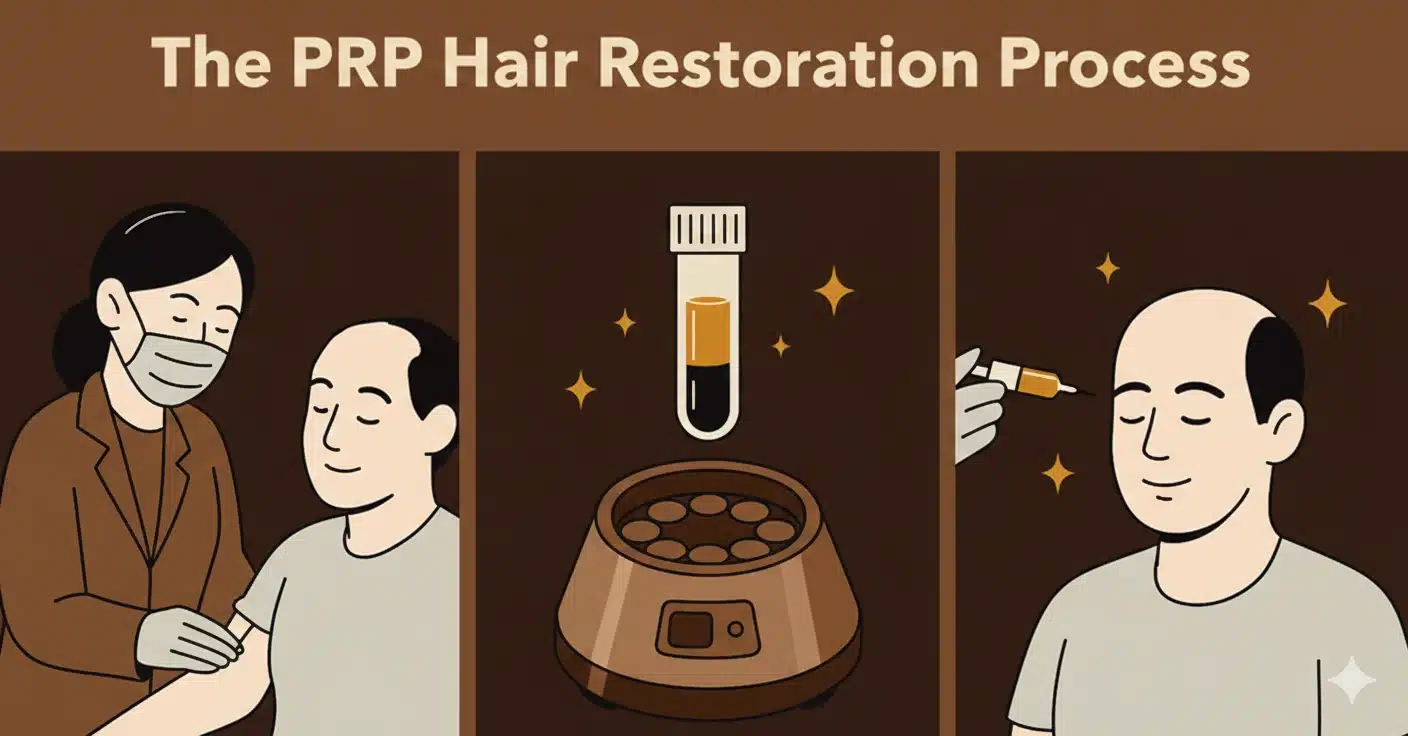
Between 10ml and 20ml of blood is drawn from your arm, much like a standard blood test. The amount depends on how large an area is being treated.
Separating the Plasma
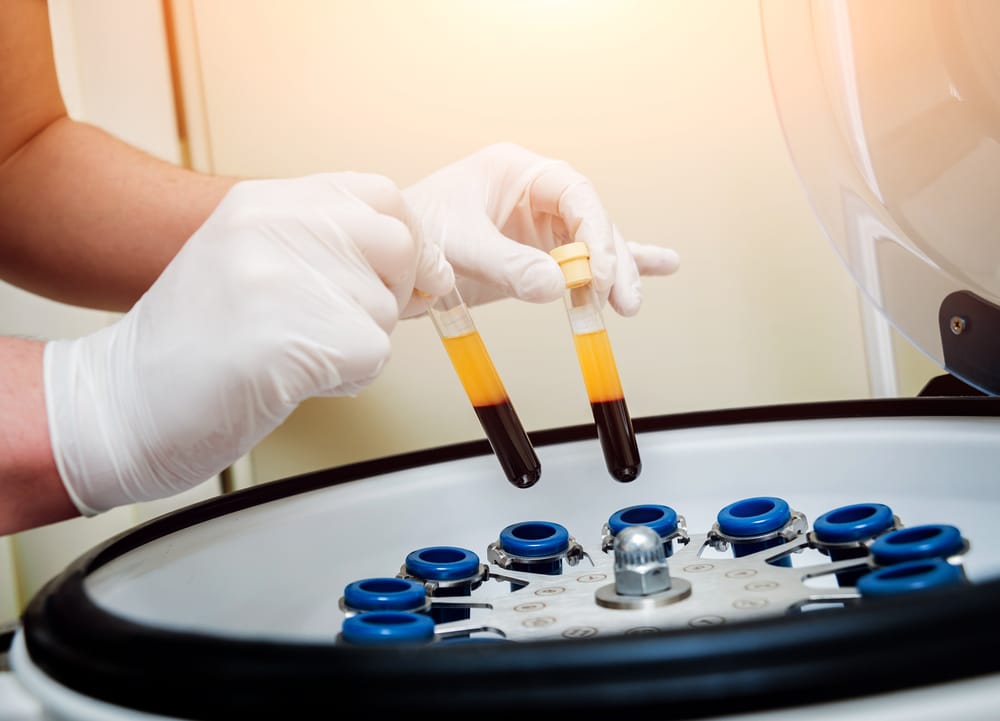
The sample spins for around ten minutes. This separates the heavier red blood cells from the plasma, leaving a golden layer containing three to five times the platelet concentration of ordinary blood. Clinics use slightly different preparation methods, and it is a fair question to ask which one your clinic uses.
The Scalp Injection
Depth is what separates a skilled injector from an average one. Too shallow and the plasma sits in the skin without reaching the follicle. Too deep and it spreads into tissue where it does nothing. Numbing cream goes on beforehand, and most patients describe brief pinpricks rather than pain.
How Long It Takes
The appointment runs 45 to 60 minutes, but only 10 to 15 minutes of that is injection time. The rest is the machine doing its work. There is no downtime afterwards.
Who PRP Works For

Pattern Hair Loss
This is the most common reason people come in for PRP. It affects a large share of men by their fifties and a meaningful proportion of women after menopause, showing up as a receding hairline, a thinning crown, or a part that keeps getting wider.
Where the follicles are still producing hair, even fine and weak hair, PRP has something to work with. It keeps those follicles in their growing phase for longer and slows down the shrinking process.
Sudden Shedding After Stress, Illness or Childbirth
A serious illness, dengue recovery, major stress or giving birth can push a large share of your follicles into their resting phase all at once. The shedding usually shows up two to four months later and can be alarming.
The good news is that this type of loss normally recovers on its own. PRP can speed that recovery along.
Patchy Hair Loss
Some people lose hair in distinct round patches because their immune system is attacking the follicle. PRP can help calm that reaction and some patients respond well, though results here are less predictable than with pattern loss. This is best treated alongside a dermatologist rather than instead of one.
Alongside a Hair Transplant
PRP before surgery strengthens the area the grafts will be taken from. Afterwards it helps the new grafts survive and thickens the existing hair around them, which is usually what makes a transplant look natural rather than patchy.
Where PRP Has Limits
PRP stimulates follicles that are struggling. It cannot bring back follicles that are gone.
Where an area of scalp has been completely smooth for several years, the follicle has been replaced by scar-like tissue and no injection will change that. Those areas are better addressed by a transplant.
Results are also weaker if you have a low platelet count, a chronic liver condition or a blood disorder, since the quality of your plasma depends on the quality of your blood. Any active scalp infection needs treating first. Smokers tend to see weaker results, because nicotine narrows the very blood vessels PRP relies on.
A scalp analysis before treatment establishes which of these applies to you, which is why a properly structured course starts there rather than with a package.
How Much Does PRP Cost in Malaysia?
A single session typically starts from RM500 at normal price. For PRP hair treatment at DR-Hair, it is RM299 at trial price for the first trial. Three things account for most of the price variation between clinics: the equipment used, the credentials of the person performing the injection, and location, with Klang Valley clinics carrying higher overheads than most other states.
Price on its own tells you fairly little. What is more useful is knowing what the quote includes. Ask whether consultation and scalp analysis are covered, how many sessions are in the package, and who performs the injection.
The Cost People Forget to Calculate
PRP does not change your genetics. The process driving your hair loss carries on after treatment, which means maintenance sessions every three to six months are part of the commitment rather than an optional extra.
Is PRP Covered by Insurance in Malaysia?
Generally no. Most Malaysian insurers treat PRP for hair loss as cosmetic or elective, which places it outside standard medical coverage. If your hair loss stems from a documented medical condition or injury, it is worth checking your policy wording, though approval remains uncommon.
Results: What to Expect and When
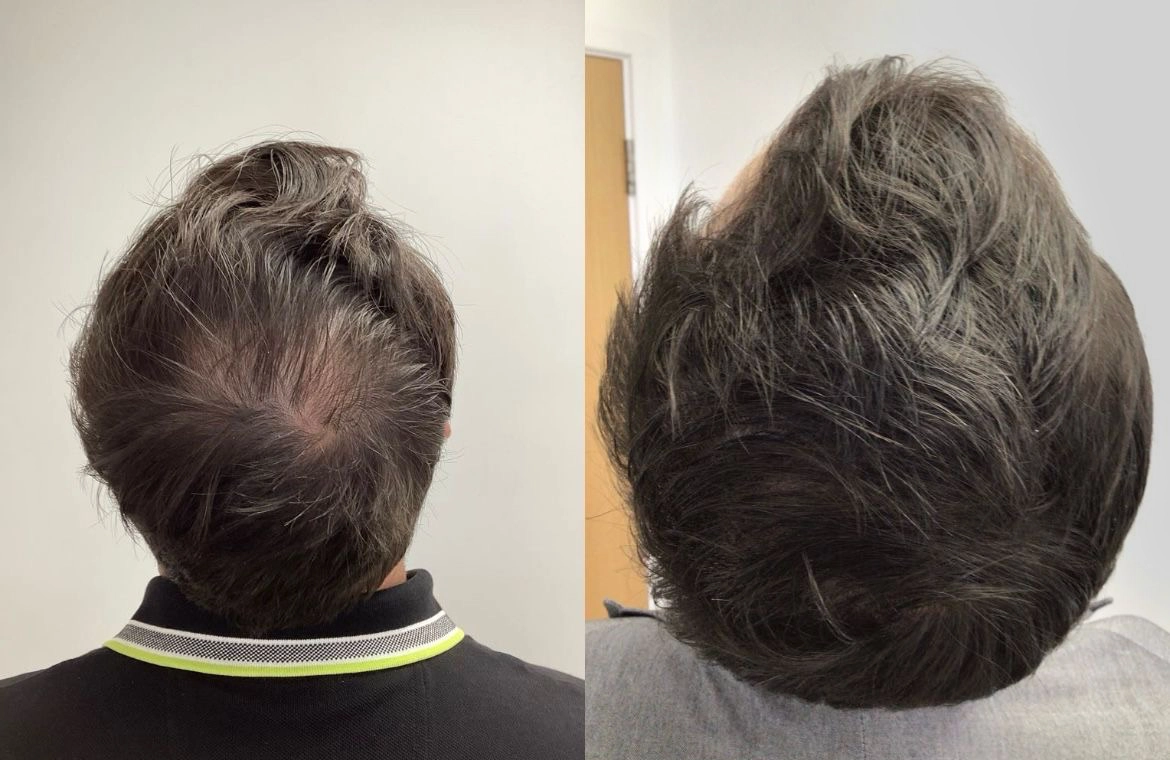
Hair grows at roughly 1.25cm a month. Nothing here happens quickly, and the timeline is set by biology rather than by the clinic.
Months One and Two
Reduced shedding is usually the first sign, often after the second session. You notice fewer strands on the pillow before you notice anything in the mirror. This is the treatment working, even though it does not look like progress yet.
Months Three and Four
Visible regrowth typically begins, appearing as fine new hairs along the hairline or through the part. Existing strands start to feel thicker around this time.
Months Five and Six
Fuller hair generally shows around month six, and this is usually when other people start noticing rather than just you.
There is a reason clinics quote that figure. In 2019, a panel of specialists from the International Society of Hair Restoration Surgery reviewed the published research and recommended three monthly sessions followed by three to six months of maintenance. Studies in this field also measure their results at the three and six month marks, which is why six months is when a completed course can fairly be judged.
If you are tracking your own progress, wait for that mark before drawing conclusions.
How Long Results Last
A completed course generally holds for 12 to 18 months. Results are sustained rather than permanent, because the cause of the hair loss carries on underneath.
Does the Research Support It?
In 2023, researchers reviewed nine separate clinical trials covering 238 people with pattern hair loss. They found that people treated with PRP grew measurably more hair than those given a placebo, at both the three month and six month marks.
Side Effects and Safety

What Is Normal
Mild scalp tenderness, slight swelling across the forehead for around 24 hours, and pinpoint bleeding at the injection sites are all normal and settle on their own. Some patients report a tight or bruised feeling for a day.
Rare Risks
Infection is the meaningful risk and is uncommon in a clean clinical setting. Injury to nerves or blood vessels is possible in theory and avoided in practice through proper technique.
Where the Procedure Should Be Performed
PRP involves drawing blood, handling it and injecting it. That requires sterile conditions and proper medical waste disposal, which is why it is treated as a clinical procedure and regulated accordingly in Malaysia. Treatments offered outside a licensed clinic fall outside that framework.
Preparation and Aftercare
The Week Before
Stop blood thinners including aspirin, vitamin E and fish oil around seven days ahead, since these thin the blood and increase bruising. Keep taking any prescribed medication unless your doctor tells you otherwise.
The Day Of
Drink plenty of water across the two days beforehand, since hydration affects the quality of your plasma. Skip alcohol for 24 hours. Arrive with clean hair and no styling product.
The First 48 Hours After
Leave your hair unwashed for a full 24 hours so the injection sites can close. Avoid strenuous exercise and heavy sweating for the same period, which in Malaysian humidity means planning around your usual routine. Hold off on alcohol for 48 hours.
The Following Week
Skip chemical dyes, perms and harsh shampoos for about a week. Wash gently and pat rather than rub. None of this is difficult, but patients who skip it are often the ones reporting disappointing results.
How PRP Fits Alongside Other Treatments
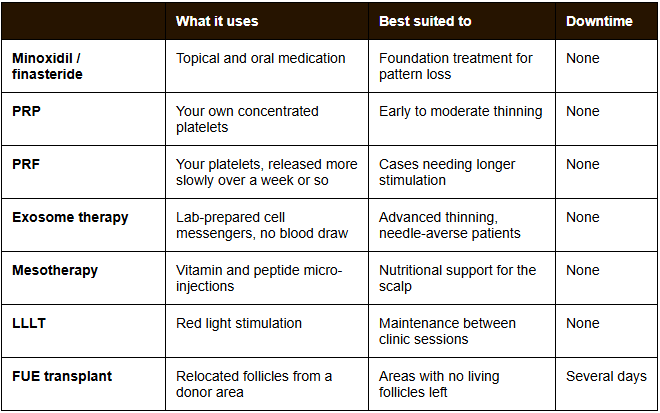
These treatments are not really alternatives to one another.
Minoxidil and finasteride address the hormonal process driving pattern hair loss, and international guidelines treat them as the starting point rather than as one option among many. Minoxidil widens the blood vessels supplying the follicle and keeps it growing for longer. Finasteride blocks the hormone that shrinks the follicle in the first place.
PRP works on top of that foundation, stimulating the follicles the medication is protecting. Cleveland Clinic has noted that PRP appears to work best when combined with these medications, and that reflects how hair loss is generally managed rather than being an unusual view.
The practical consequence is that a plan built around one treatment alone is usually incomplete, which is why the assessment matters more than the treatment menu.
For a closer look at each, see our guides to minoxidil in Malaysia, finasteride in Malaysia, PRP compared with minoxidil, PRP and PRF, and exosome hair therapy.
What to Check Before Starting Treatment
How the Plasma Is Prepared
Ask what preparation method the clinic uses. You are not expected to evaluate the answer technically. What you are looking for is a clinic that can explain its own process clearly.
Whether Scalp Analysis Comes First
A digital scalp scan measures how dense your hair actually is and how far the shrinking has progressed, which is what establishes whether PRP suits your particular pattern of loss. It is the step that turns a treatment into a treatment plan.
What the Full Plan Looks Like
Since PRP works best as part of a combination approach, it is reasonable to ask what else is being recommended alongside it and why. That recommendation should follow your scalp analysis rather than come before it.
Start With an Assessment at DR-Hair
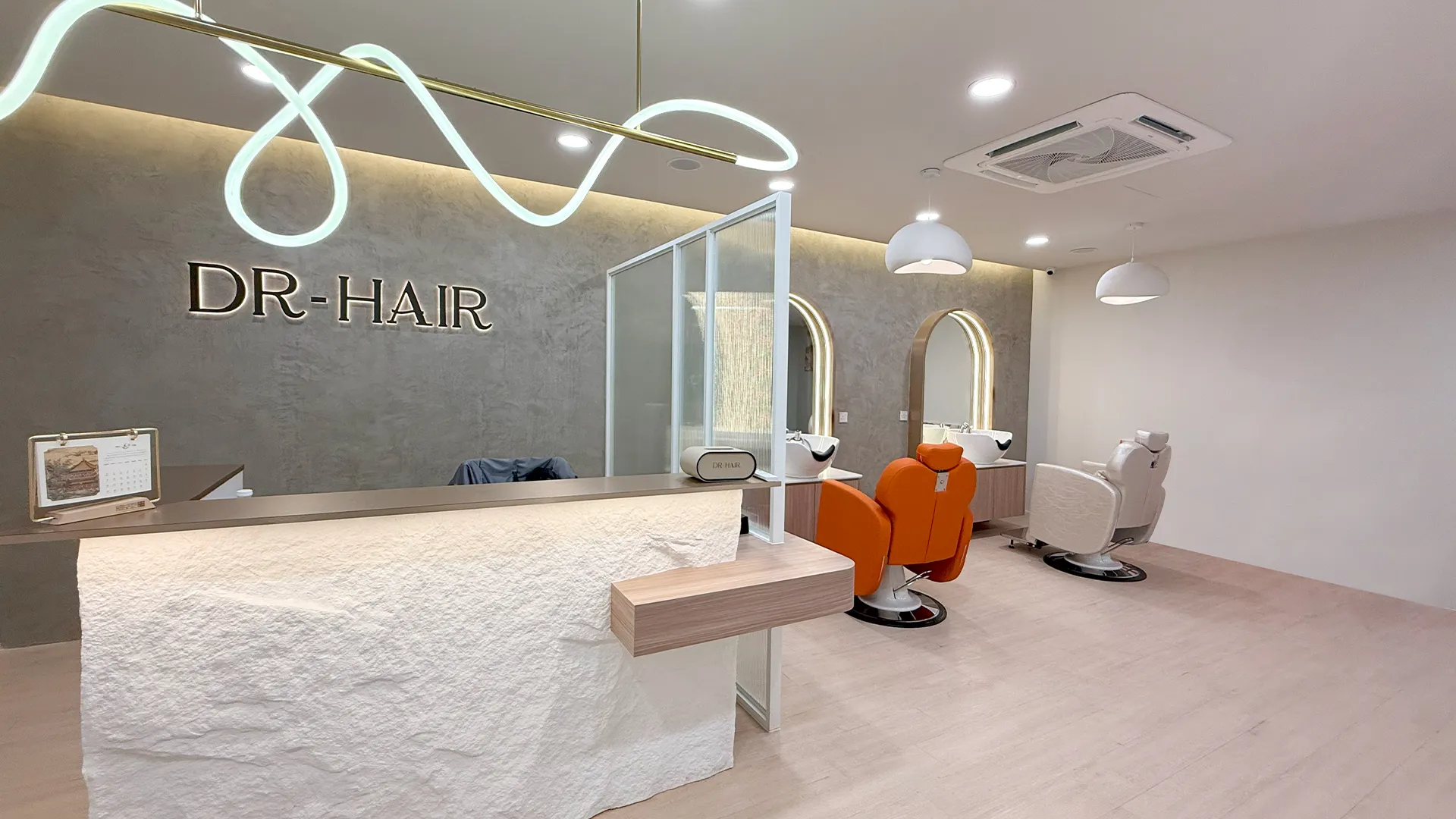
PRP is an effective treatment for the right patient, and the way to find out whether that is you is a proper look at your scalp.
At DR-Hair Petaling Jaya, we map your scalp and match the treatment to what is actually causing your hair loss. If you are shedding more than usual, or your part is starting to widen, book a scalp analysis today.
References
- Platelet-Rich Plasma as a Treatment for Androgenetic Alopecia. Gupta AK, Cole J, Deutsch DP, et al. Dermatologic Surgery. 2019. Review.
- Platelet-Rich Plasma for Androgenetic Alopecia: A Systematic Review and Meta-Analysis of Randomized Controlled Trials. Zhang X, Ji Y, Zhou M, et al. Journal of Cutaneous Medicine and Surgery. 2023. Review.