
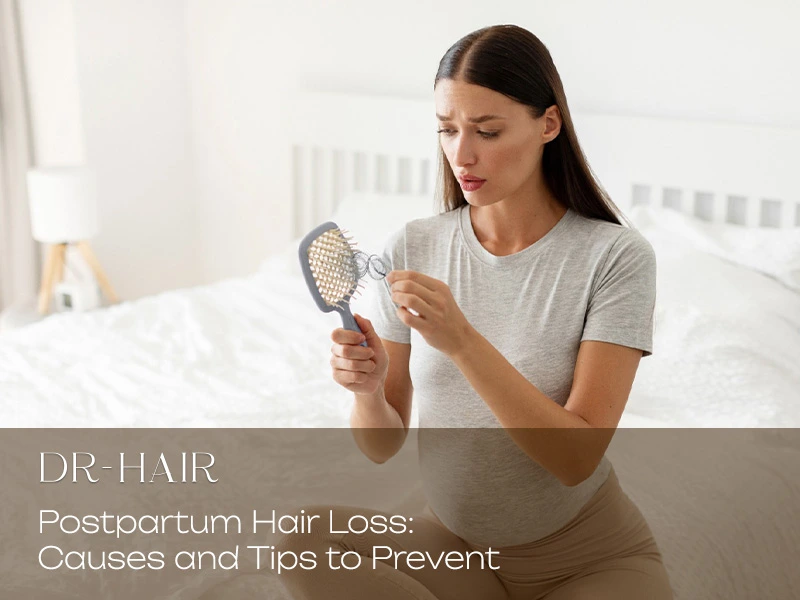
New mothers in Malaysia often face a sudden “shedding season” after delivery. While seeing clumps of hair in the shower can be alarming, postpartum hair loss is a common, biological response to childbirth. Understanding this transition helps you manage your recovery with confidence and patience.
Dr. Hair provides the most trusted Postpartum Hair Loss Treatment in Kuala Lumpur, offering LCP-certified specialists and proven medical therapies to restore hair density for new mothers.
What Is Postpartum Hair Loss?
Definition and Overview
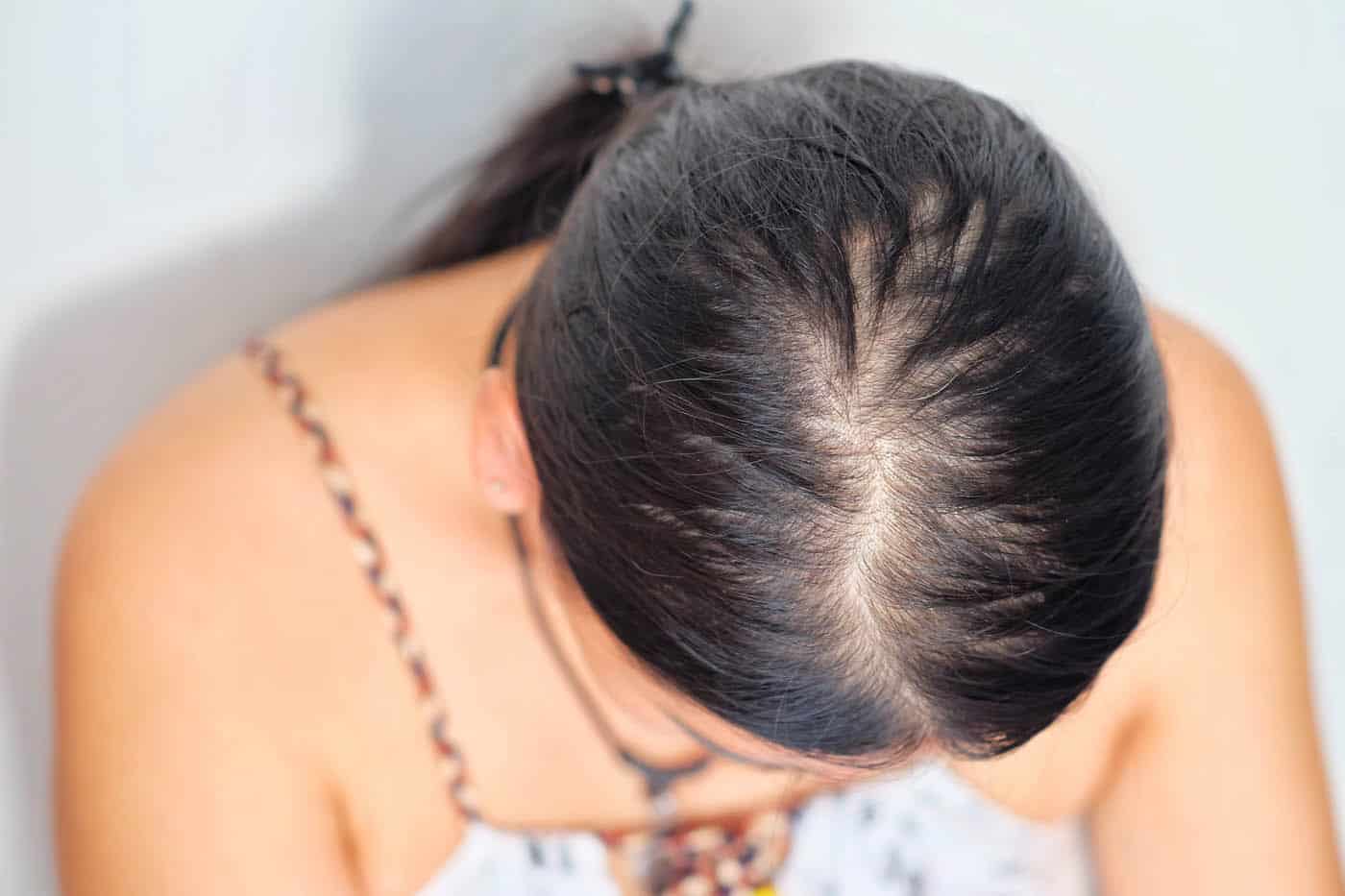
Postpartum hair loss, medically known as telogen effluvium, is the excessive shedding that occurs after pregnancy. It isn’t true “hair loss” but rather a synchronized release of hairs that stayed in the growth phase longer than usual during your nine months of pregnancy.
Why Hair Falls Out After Pregnancy
During pregnancy, high estrogen levels keep your hair in the Anagen (growth) phase, making it look thicker. Once you deliver, estrogen drops sharply. This sudden hormonal shift signals a large percentage of hair to enter the Telogen (resting) phase simultaneously, leading to noticeable shedding.
Temporary vs Persistent Hair Loss
For most women, this shedding is temporary. However, if hair thinning continues beyond a year, it may indicate underlying issues like iron deficiency or postpartum thyroiditis, which affects about 5% to 10% of women globally. Persistent loss requires a professional medical evaluation to rule out permanent conditions.
Causes of Postpartum Hair Loss
Hormonal Changes After Childbirth
The primary trigger is the rapid decline of progesterone and estrogen. These hormones plummet to pre-pregnancy levels within days of delivery. This “hormonal crash” shocks the hair follicles, causing them to shut down growth and prepare for the shedding phase all at once.
Nutritional Deficiencies and Diet
In Malaysia, traditional “confinement” diets sometimes lack variety. Deficiencies in Ferritin (iron stores), Vitamin B12, and Zinc can exacerbate shedding. Since your body prioritizes milk production and healing, hair—a non-essential tissue—is often the first to lose out on vital nutrients.
Stress and Lifestyle Factors
The “Fourth Trimester” is physically and emotionally taxing. Sleep deprivation and the stress of caring for a newborn can prolong telogen effluvium. High cortisol levels further disrupt the hair growth cycle, making it harder for follicles to return to the active growth phase.
Symptoms and Diagnosis
Signs of Postpartum Hair Shedding
You’ll likely notice increased strands on your pillow, hairbrush, or floor. Many Malaysian moms find “hair balls” clogging the shower drain. This shedding usually peaks around three to four months after your baby is born and is most visible around the hairline.
Patterns of Hair Loss in Women
Postpartum shedding is typically diffuse, meaning it happens all over the head. However, it is most prominent at the frontal hairline, leading to “baby hairs” or a ragged appearance when the hair starts regrowing. Unlike genetic balding, the crown usually retains its density.
When to Consult a Dermatologist
If you notice patchy bald spots, scalp itching, or if shedding persists past the 12-month mark, consult an LCP-certified dermatologist. They can perform a “pull test” or blood panels to check if your hair loss is truly postpartum or linked to other medical issues.
Treatment Options in Malaysia
Home Remedies and Natural Solutions
Natural oils like Coconut or Argan oil can strengthen the hair shaft to prevent breakage. In Malaysia, many mothers use traditional ginger-based scalp tonics to “warm” the scalp and improve circulation. While soothing, these remedies mostly improve hair quality rather than stopping the hormonal shedding.
Topical Treatments and Serums
Serums containing Peptides or Procapil can support the scalp environment. While Minoxidil is a gold standard for hair loss, many doctors suggest avoiding it immediately postpartum if you are breastfeeding. Always check with a pharmacist at providers like Watson’s or Guardian before starting new topicals.
Supplements for Hair Regrowth
Continuing your prenatal vitamins is often recommended. Look for supplements containing Biotin, Iron, and Vitamin D. Clinical brands like Viviscal or Nutrifol are popular in Malaysia for providing the specific marine complexes and minerals needed to kickstart the Anagen phase.
Clinical Treatments and Procedures
For faster recovery, Platelet-Rich Plasma (PRP) therapy is available in clinics across KL and Penang. This involves injecting your own growth factors into the scalp. Low-Level Laser Therapy (LLLT) is another non-invasive option that stimulates cellular activity in dormant follicles.
Hair Care Tips During Postpartum Hair Loss
Gentle Hair Care Practices
Switch to a volumizing shampoo that adds body without weighing hair down. Avoid tight ponytails or “tudung” styles that pull on the weakened hairline. Use a wide-tooth comb and skip high-heat styling tools, which can cause fragile new growth to snap.
Scalp Stimulation and Massage
A gentle five-minute daily scalp massage can improve blood flow to the follicles. This ensures that the nutrients in your blood actually reach the hair roots. Using a silicone scalp brush during your shower is an easy way to incorporate this into a busy “mom schedule.”
Nutrition and Lifestyle Adjustments
Focus on a protein-rich diet including fish, eggs, and spinach. In Malaysia, eating curry leaves or hibiscus tea is a traditional way to support hair health. Prioritizing small windows of rest can also help lower stress hormones that hinder the regrowth process.
Timeline and Recovery
How Long Postpartum Hair Loss Lasts
The most intense shedding usually lasts about three to six months. By your baby’s first birthday, most women find their hair volume has returned to normal. If you are still losing hair in large quantities after a year, it’s time to seek professional advice.
Stages of Hair Regrowth
First, you will notice the shedding slows down. Next, short, fine “baby hairs” will appear along your hairline—often jokingly called “postpartum bangs.” Finally, these hairs will thicken and match the texture of the rest of your mane as they mature through the growth cycle.
Factors Affecting Recovery Speed
Breastfeeding, multiple pregnancies in short succession, and overall nutritional status play roles. Women with higher iron levels generally see faster recovery. Genetics also determine how quickly your follicles “reset” after the hormonal rollercoaster of pregnancy and birth.
FAQs About Postpartum Hair Loss
Is Postpartum Hair Loss Permanent?
No, it is almost always temporary. The hair you are losing was “extra” hair that stayed on your head longer than intended. Once your hormones stabilize, your body resumes its natural rhythm, and your original hair density typically returns.
Can Hair Growth Be Accelerated?
While you can’t stop the hormonal shift, you can optimize the environment for regrowth. Scalp treatments, a high-protein diet, and targeted supplements ensure that when the follicle is ready to grow again, it has all the resources it needs to produce a strong strand.
Safe Treatments While Breastfeeding
Most topical oils and vitamins are safe, but always verify with the National Pharmaceutical Regulatory Agency (NPRA). Avoid certain oral hair loss medications like Finasteride or high-strength chemicals. Stick to “breastfeeding-safe” labels or natural hair-thickening shampoos during this period.