
Ever wonder why your hair seems to stop at a certain length or suddenly sheds more during the monsoon season? Understanding the hair growth cycle is the secret to managing thinning and achieving lush locks in Malaysia’s tropical climate. Let’s dive into how your strands actually grow.
What Is the Hair Growth Cycle?
Definition and Overview
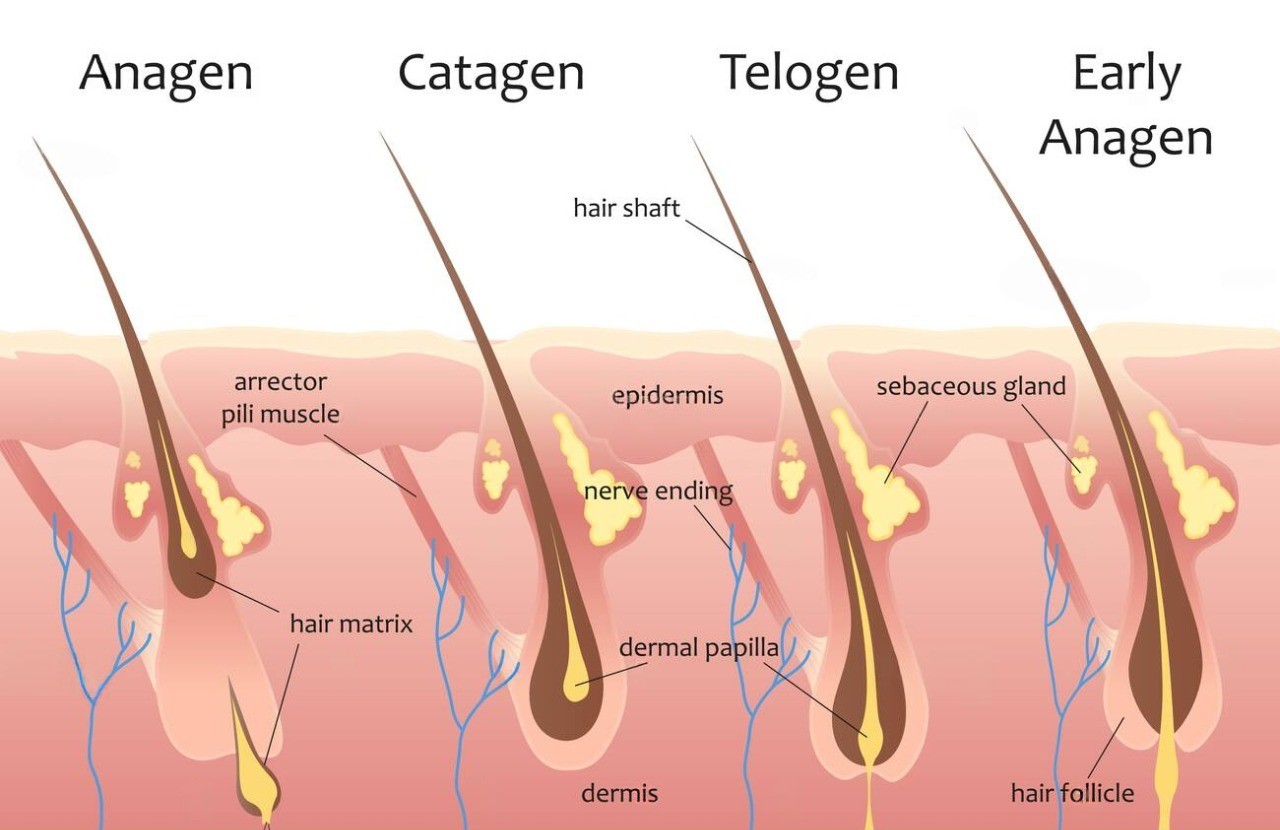
The hair growth cycle is a continuous biological process where each hair follicle independently undergoes phases of growth, regression, and rest. This asynchronous timing ensures we don’t shed all our hair at once, maintaining a consistent density of scalp hair throughout our lives.
Importance of Understanding the Hair Growth Cycle
Knowing these phases helps you differentiate between normal daily shedding—usually 50 to 100 hairs—and actual hair loss. It also manages expectations for treatments, as most interventions require at least one full cycle to show visible improvements in hair volume and quality.
Stages of the Hair Growth Cycle
Anagen Phase (Growth Phase)
The Anagen phase is when your hair actively grows from the root. This stage typically lasts 3 to 7 years, determining your maximum hair length. In healthy scalps, approximately 85% to 90% of follicles are in this phase at any given time.
Catagen Phase (Transition Phase)
This short transitional stage lasts about 2 to 3 weeks. During Catagen, the hair follicle shrinks and detaches from the dermal papilla (the blood supply). The hair stops growing and becomes what is known as a “club hair” before moving toward the resting stage.
Telogen Phase (Resting Phase)
The Telogen phase is a resting period lasting roughly 3 months. While the old hair is resting, new hair begins to form beneath it. Roughly 10% to 15% of your hair is in this stage. Disruptions here often lead to telogen effluvium, a common temporary thinning condition.
Exogen Phase (Shedding Phase)
Exogen is the final extension of the cycle where the old hair is finally released from the scalp. This is the hair you see in your brush or shower drain. Once the old strand falls out, the follicle returns to the Anagen phase to start anew.
Factors Affecting the Hair Growth Cycle
Genetics and Hormones
Your DNA dictates the length of your Anagen phase. Hormonally, androgens like DHT can shrink follicles, shortening the growth phase. This is why many Malaysian women experience thinning during menopause or postpartum when estrogen levels fluctuate significantly.
Nutrition and Lifestyle
Hair is made of keratin, a protein. A diet lacking in Iron, Zinc, or Biotin can prematurely push hair into the resting phase. In Malaysia, over-consumption of processed foods can lead to systemic inflammation, further impacting follicle health.
Stress and Environmental Factors
High cortisol levels from stress can shock follicles into the Telogen phase. Additionally, Malaysia’s high UV index and humidity can cause oxidative stress. Environmental pollutants in urban areas like Kuala Lumpur can clog pores, hindering the transition back to the Anagen phase.
Medical Conditions and Medications
Thyroid imbalances, PCOS, and chronic illnesses often disrupt the cycle. Furthermore, medications for high blood pressure or cholesterol can sometimes cause “drug-induced hair loss.” Always consult the National Pharmaceutical Regulatory Agency (NPRA) for information on registered treatments and potential side effects.
How to Promote a Healthy Hair Growth Cycle
Proper Hair Care Practices
Avoid excessive heat and chemical treatments that damage the hair shaft. Use sulfate-free shampoos to maintain the scalp’s natural acid mantle. For those wearing a tudung, ensure the fabric is breathable to prevent heat-induced sweating and fungal growth that disrupts the cycle.
Scalp Stimulation Techniques
Daily scalp massages for 4–5 minutes increase blood flow to the dermal papilla. This delivers more oxygen and nutrients to the follicle, potentially lengthening the Anagen phase. Using a wooden wide-tooth comb can also stimulate the scalp without causing static or breakage.
Nutritional Support for Hair Growth
Incorporate local protein sources like eggs, fatty fish, and lentils. Vitamin D3 and Ferritin levels are crucial; many Malaysians are surprisingly deficient in Vitamin D despite the sun, which can stall the growth cycle significantly.
Natural and Clinical Treatments
Natural remedies like Rosemary oil can invigorate the scalp. For clinical support, Minoxidil or PRP (Platelet-Rich Plasma) therapy are popular in Malaysia. These treatments work by artificially extending the growth phase and revitalizing dormant follicles to re-enter Anagen.
Hair Growth Cycle Disorders in Malaysia
Common Hair Loss Conditions
The most frequent issue is Androgenetic Alopecia, where the growth phase progressively shortens. Another is Telogen Effluvium, often triggered by the high stress of urban life or rapid weight loss, causing a sudden “syncing” of hair shedding.
Diagnosing Abnormal Hair Growth Patterns
Trichologists use digital imaging to measure hair diameter and the ratio of Anagen to Telogen hairs. If more than 20% of your hair is in the Telogen phase, it is clinically considered excessive shedding. Blood tests are often used to rule out underlying deficiencies.
Treatment Options Available Locally
Malaysia offers world-class treatments ranging from specialized hair growth serums to Low-Level Laser Therapy (LLLT). Doctors may also prescribe oral supplements like Viviscal or Nutrifol, which are formulated to provide the specific amino acids required for the Anagen phase.
Clinics and Specialists in Malaysia
Choosing Certified Hair and Trichology Experts
Ensure your specialist is LCP-certified by the Ministry of Health or is a member of the Persatuan Dermatologi Malaysia. A certified expert will provide a medical diagnosis rather than just selling “miracle” shampoo packages common in unregulated salons.
Consultation and Treatment Process
Your first visit usually involves a trichoscopy (magnified scalp scan). The specialist will review your medical history and lifestyle before designing a multi-modal plan. Expect a follow-up in 3 to 4 months to monitor the progress of your new growth cycle.
FAQs About Hair Growth Cycle
How Long Does Each Phase Last?
Anagen (Growth) lasts 3–7 years; Catagen (Transition) lasts 2–3 weeks; Telogen (Rest) lasts about 3 months. Because of this, you won’t see the results of any lifestyle change or treatment for at least 90 days.
Can the Hair Growth Cycle Be Accelerated?
You cannot technically make hair grow “faster” than its biological limit (about 1.25cm per month), but you can extend the Anagen phase. This results in longer, thicker hair over time by preventing the follicle from entering the resting stage prematurely.
How to Identify Abnormal Hair Shedding
If you notice “clumps” of hair on your pillow or a visible widening of your part line, it may be abnormal. A simple hair pull test—gently pulling 60 hairs—should result in fewer than 6 hairs falling out.
Maintaining Healthy Hair Growth in Malaysia
Daily Care and Lifestyle Tips
Stay hydrated to keep hair shafts flexible. Manage humidity-related frizz with light, natural oils. Most importantly, manage your stress; your hair is a non-essential tissue, so your body will “shut down” the hair cycle first if it feels under physiological pressure.
Recommended Products for Supporting Growth
Look for products containing Caffeine, Saw Palmetto, or Procapil, which are proven to support the hair cycle. In Malaysia, local brands incorporating Ginseng or Hibiscus extracts are also popular for maintaining a healthy, balanced scalp environment.