
Dealing with thinning hair can feel overwhelming, but you aren’t alone. In Malaysia, hair loss affects approximately 35% of women by age 50. Understanding the science behind it is the first step toward regaining your confidence and hair density.
Dr. Hair offers specialized Female Pattern Hair Loss Treatment in Kuala Lumpur, providing LCP-certified medical solutions to restore hair density and scalp health for Malaysian women.
What Is Female Pattern Hair Loss?
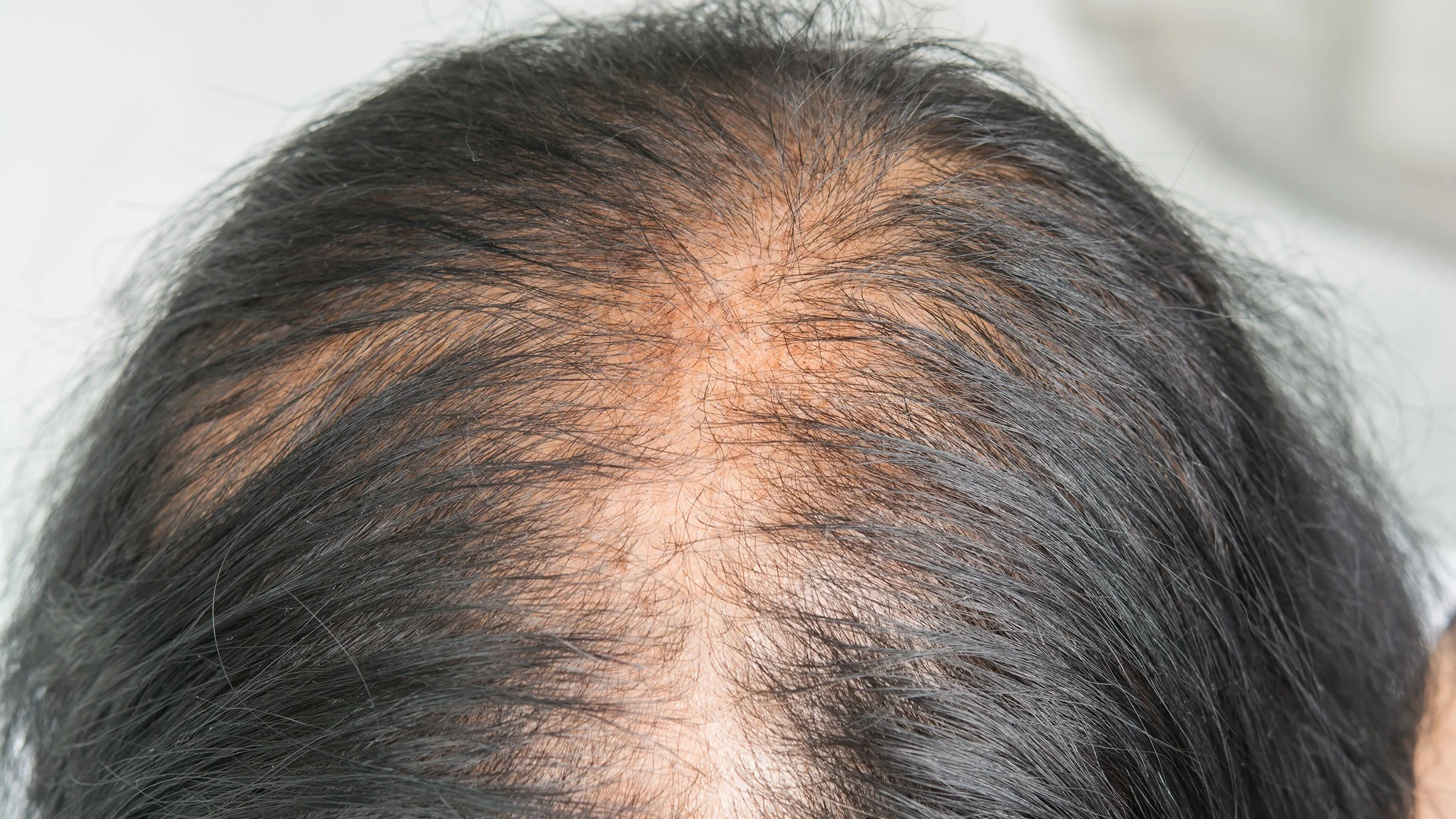
Definition and Overview
Female Pattern Hair Loss (FPHL), or androgenetic alopecia, is the most common cause of hair thinning in women. Unlike temporary shedding, FPHL involves a permanent shortening of the hair’s growth phase and a shrinking of the hair follicles.
How It Differs from Male Hair Loss
While men typically experience a receding hairline or a bald spot on the crown, women usually see general thinning across the top of the scalp. The frontal hairline often remains intact, making it less obvious in the early stages compared to male patterns.
Stages of Female Pattern Hair Loss
Specialists use the Ludwig Scale to categorize FPHL. Stage I involves mild thinning on the part line. Stage II shows significant widening of the part. Stage III represents extensive thinning where the scalp becomes clearly visible through the hair.
Causes of Female Pattern Hair Loss
Hormonal Changes and Genetics
Genetics play a huge role, often inherited from either parent. Hormonally, an enzyme converts testosterone into Dihydrotestosterone (DHT), which attacks follicles. This often peaks during menopause when estrogen levels drop, leaving DHT more influential.
Medical Conditions and Medications
Conditions like PCOS, thyroid disorders, and anemia frequently trigger thinning. Additionally, certain medications for blood pressure or cholesterol can have side effects. Always check the Ministry of Health Malaysia guidelines for drug-related hair loss side effects before stopping any prescribed medication.
Lifestyle and Environmental Factors
In Malaysia’s humid climate, sweat and sebum buildup can clog pores. Stress-induced telogen effluvium and nutritional deficiencies—specifically lack of Iron, Zinc, and Vitamin D—further exacerbate thinning. High-tension hairstyles like tight “tudung” styles or buns can also lead to traction alopecia.
Symptoms and Diagnosis
Common Signs of Hair Thinning
You might notice more strands in the shower drain or a “wider” part line when styling. Another common sign is a smaller ponytail circumference. If your scalp is sunburning more easily, it’s a clear indicator of decreased hair density.
Hair Loss Patterns in Women
The most classic sign is the “Christmas tree” pattern, where thinning is widest at the front and tapers off toward the back. Unlike men, women rarely go completely bald, but the diffuse thinning can be quite extensive across the mid-scalp.
How Dermatologists Diagnose Hair Loss in Malaysia
Local specialists perform a trichoscopy to examine the scalp under magnification. They may also conduct a “pull test” or blood work to check ferritin and thyroid levels. Ensure your doctor is a member of the Persatuan Dermatologi Malaysia for expert care.
Treatment Options for Female Pattern Hair Loss
Topical Treatments (Minoxidil, Serums)
Minoxidil 2% is the only FDA-approved topical treatment for women in Malaysia. It works by prolonging the growth phase of follicles. Consistent application is vital, as stopping the treatment will usually cause the hair loss to resume within months.
Oral Medications and Supplements
Doctors may prescribe Spironolactone or Finasteride (off-label) to block androgens. Supplements containing Biotin, Saw Palmetto, and Marine Collagen are popular in pharmacies like Watson’s or Guardian to support hair structure, though they don’t cure genetic balding alone.
Advanced Procedures (PRP, Low-Level Laser Therapy)
Platelet-Rich Plasma (PRP) therapy involves injecting your own growth factors into the scalp to stimulate follicles. Alternatively, Low-Level Laser Therapy (LLLT) uses medical-grade lasers to improve cellular metabolism and blood flow to the hair roots.
Hair Care and Maintenance
Daily Hair Care Tips for Thinning Hair
Switch to volumizing, sulfate-free shampoos. Avoid heavy conditioners on the roots, which weigh hair down. Use a wide-tooth comb on wet hair to minimize breakage, and limit heat styling tools to prevent further damage to fragile strands.
Scalp Health and Nutrition
A healthy scalp is the foundation for growth. Incorporate local superfoods like fatty fish for Omega-3s and eggs for protein. Proper nutrition for hair growth ensures your body has the building blocks to produce keratin.
Preventive Measures to Slow Hair Loss
Protect your scalp from UV rays and manage stress through yoga or meditation. Regular scalp massages can improve circulation. Early intervention is the best prevention; starting treatment at Stage I yields much better results than waiting.
Female Pattern Hair Loss Clinics in Malaysia
Choosing a Certified Hair Specialist
Look for LCP-certified (Letter of Credentialing and Privileging) aesthetic doctors or board-certified dermatologists. Verify their credentials on the Malaysian Medical Council portal to ensure you are receiving safe, regulated medical treatments rather than just salon services.
Cost of Treatment in Malaysia
Price Range for Medications and Procedures
Topical Minoxidil costs between RM80–RM200 per month. Professional PRP sessions usually range from RM800 to RM1,500 per session. Laser therapy helmets for home use can cost anywhere from RM1,500 to RM4,000 as a one-time investment.
Factors Affecting Costs
Prices vary based on the clinic’s location, the specialist’s experience, and the severity of thinning. Package deals for multiple PRP or laser sessions often provide significant savings compared to pay-per-visit rates.
FAQs About Female Pattern Hair Loss
Is Female Pattern Hair Loss Reversible?
While you cannot “cure” genetics, you can significantly regrow hair and stop further loss. Treatments focus on maintaining existing hair and reviving dormant follicles. The earlier you start, the more hair you can save.
How Long Does Treatment Take?
Patience is key. Hair grows slowly, so most treatments take 3 to 6 months before visible improvements appear. Full results for topical or oral medications usually peak around the one-year mark of consistent use.
Are Treatments Safe for Women of All Ages?
Most treatments are safe, but specific oral medications are strictly avoided for women of childbearing age due to pregnancy risks. Always consult a professional to tailor a plan that fits your age and health profile.
Book a Consultation in Malaysia
What to Expect During Your First Visit
Your specialist will review your medical history and perform a scalp analysis. Be prepared to discuss your diet, stress levels, and family history. They will likely take baseline photos to track your progress over the coming months.
Questions to Ask Your Hair Specialist
Is my hair loss permanent or temporary?
Which treatment offers the highest success rate for my stage?
Are there any local side effects I should watch for?
How much will the total treatment plan cost annually?