
Ketoconazole Shampoo: Anti-Dandruff & Hair Loss Treatment in Malaysia
Ketoconazole isn’t just a fancy word to impress your pharmacist; it’s a powerhouse antifungal agent. In Malaysia, it’s a go-to solution for those dealing with everything from stubborn flakes to androgenetic alopecia (pattern hair loss). Because our tropical climate accelerates sweat and sebum production, many Malaysians find that standard zinc pyrithione shampoos just don’t cut it. What Is Ketoconazole Shampoo? Ketoconazole shampoo is an antifungal treatment used to combat dandruff, seborrheic dermatitis, and fungal acne (Malassezia). It contains ketoconazole 1% (OTC) or 2% (prescription) to reduce yeast overgrowth on the scalp and skin. It also exhibits mild anti-androgen effects that may help with hair thinning. How Ketoconazole Works on the Scalp The primary target of this shampoo is a yeast-like fungus called Malassezia. While everyone has some Malassezia on their head, an overgrowth can lead to inflammation, itching, and scaling. Ketoconazole disrupts the cell membranes of this fungus, effectively shutting down its growth. Antifungal and Anti-Inflammatory Properties Beyond just killing fungus, ketoconazole possesses significant anti-inflammatory properties. This is crucial because inflammation is often the hidden culprit behind hair thinning. By soothing the scalp, it prevents the “follicle stress” that leads to premature shedding. Ketoconazole 1% vs 2% Formulations In Malaysia, you’ll mostly see two strengths: 1% Formulation: Typically available over-the-counter (OTC). It’s great for mild dandruff and general scalp maintenance. 2% Formulation: This is a “medicated” strength. While widely available in pharmacies like Watsons or Guardian, it often sits behind the counter and may require a consultation with a pharmacist or doctor. Uses of Ketoconazole Shampoo This isn’t a one-trick pony. Its versatility makes it a staple in both dermatology and hair restoration clinics. Dandruff and Seborrheic Dermatitis This is the most common use. If your dandruff is yellowish, oily, and accompanied by red patches, you likely have seborrheic dermatitis. Ketoconazole is the gold standard for calming these flare-ups. Fungal Scalp Infections (Tinea Capitis) Commonly known as scalp ringworm, this requires a medical-grade antifungal. Ketoconazole helps clear the infection and prevents it from spreading to other parts of your body or other people. Itchy, Flaky, and Oily Scalp Malaysia’s heat often leads to “oily dandruff.” The shampoo helps regulate sebum levels, ensuring your scalp doesn’t become a breeding ground for bacteria and yeast. Ketoconazole Shampoo for Hair Loss Interestingly, many people use this shampoo as part of the “Big 3” hair loss regimen (alongside Minoxidil and Finasteride). It helps by keeping the scalp environment clean and reducing the inflammatory triggers that worsen thinning. Ketoconazole Shampoo for Hair Loss in Malaysia The “off-label” use of Ketoconazole for hair growth is one of the best-kept secrets in the local aesthetic community. Role in Androgenetic Alopecia For those with male or female pattern baldness, the goal is to protect the follicle. Studies have shown that 2% ketoconazole can improve hair density almost as effectively as 2% Minoxidil in some cases. DHT-Blocking Potential There is evidence suggesting that Ketoconazole may have a mild, local anti-androgenic effect. This means it might help block Dihydrotestosterone (DHT)—the hormone responsible for shrinking hair follicles—right at the source. Combining Ketoconazole with Minoxidil or Finasteride Using Ketoconazole helps remove the “sebum plug” from the follicle, which may actually help topical treatments like Minoxidil penetrate better. It’s the ultimate “prep step” for your hair growth routine. How to Use Ketoconazole Shampoo Correctly Most people fail with this shampoo because they treat it like regular soap. You have to let the chemistry happen! Recommended Frequency of Use For Treatment: Use 2–3 times a week for 2 to 4 weeks. For Maintenance: Once every 1–2 weeks is usually enough to keep the flakes at bay. How Long to Leave on the Scalp This is the “Golden Rule.” You must leave the lather on for 3 to 5 minutes. If you rinse it off immediately, the active ingredient won’t have time to penetrate the skin. When to Expect Visible Results For dandruff, you’ll see a difference in just 2 weeks. For hair thinning or density improvements, you’ll need to be patient—significant changes usually take 3 to 6 months of consistent use. Benefits of Ketoconazole Shampoo Reduces Scalp Inflammation: Calms redness and that “burning” itchy sensation. Controls Excess Sebum Production: Keeps your hair from looking greasy by midday. Supports Healthier Hair Growth: By cleaning the “debris” around the follicle, it allows hair to grow without obstruction. Side Effects and Safety Considerations While generally safe, it is a medication, so a little caution goes a long way. Common Side Effects Some users report dry hair or a slight change in hair texture. Since Ketoconazole is quite drying, it is highly recommended to use a good conditioner—but apply it only to the ends of your hair, not the scalp. Who Should Avoid Ketoconazole Shampoo? If you have an open wound or severe broken skin on your scalp, skip the medicated shampoo until it heals. Also, if you have very light-colored or chemically bleached hair, be aware that it can occasionally cause slight discoloration. Use During Pregnancy and Breastfeeding The NHS suggests ketoconazole shampoo is generally safe during pregnancy because very little of the drug is absorbed into the bloodstream. However, always check with your OB-GYN first. Ketoconazole Shampoo in Malaysia: Prescription vs OTC Over-the-Counter Options (1%) You can find 1% versions like Nizoral Blue easily on the shelves of pharmacies. These are great for “lifestyle” dandruff management. Prescription Strength (2%) Brands like Nizoral (2%), Pristine, and Dezor are common in Malaysia. While you don’t always need a formal doctor’s note, you usually have to ask the pharmacist for them. MOH Malaysia Guidelines The Ministry of Health (MOH) regulates these as “scheduled poisons” (Group C) or OTC depending on the concentration. Always look for the MAL registration number on the box to ensure the product is genuine and safe. Ketoconazole Shampoo Price in Malaysia Average Cost in Pharmacies Generic (e.g., Pristine 2%): RM 19 – RM 28 for 120ml. Branded (e.g., Nizoral 2%): RM 35 – RM 55 for 100ml. Buying Online vs Physical Pharmacy Buying from
Minoxidil Malaysia: Does It Really Work for Hair Loss and Where to Buy
Let’s be real: waking up to a pillow covered in hair or seeing your forehead slowly “expanding” in the mirror is enough to give anyone a minor heart attack. In a country where we take pride in our style, hair thinning can feel like a blow to the ego. Boost your regrowth at Dr. Hair, leading hair regrowth centre in Malaysia by pairing Minoxidil with PRP hair therapy, a powerhouse combo that revitalizes follicles for thicker, healthier results. What Is Minoxidil? Minoxidil is a topical, over-the-counter treatment for androgenetic alopecia (male and female pattern baldness). It prolongs the hair growth phase by stimulating follicles and increasing blood flow to the scalp. Applied twice daily, it slows hair loss and promotes regrowth, though results reverse upon discontinuation. Minoxidil is one of the only two medications FDA-approved for the treatment of androgenetic alopecia. It’s the gold standard for non-surgical hair restoration, trusted by dermatologists globally. Definition and History of Minoxidil Interestingly, Minoxidil didn’t start as a hair product. In the 1970s, it was an oral tablet used to treat high blood pressure. Patients started reporting a strange side effect: they were growing hair in unexpected places. Scientists quickly pivoted, realizing they could harness this “side effect” topically to target balding spots without affecting the whole body’s blood pressure. How Minoxidil Works for Hair Growth Minoxidil is a vasodilator. Its primary job is to widen the blood vessels around your hair follicles. Think of it as opening up a highway for oxygen and nutrients to reach your hair roots. According to research published in the National Center for Biotechnology Information (NCBI), it shortens the resting phase (telogen) and extends the growth phase (anagen), essentially waking up “sleeping” follicles to produce thicker, longer strands. Why Minoxidil Is Popular in Malaysia Go into any Watsons or Guardian in KL, and you’ll see shelves dedicated to hair loss. Minoxidil has become a household name here for a few specific reasons. Common Hair Loss Concerns in Malaysia Genetics play a huge role, but our lifestyle doesn’t help. Between the high-stress city life and the constant use of helmets (for our abang-abang delivery riders), traction alopecia and androgenetic alopecia are rampant. Studies show that ethnic differences in hair density can influence how we perceive hair thinning, making early intervention a priority for many Malaysians. Accessibility and Affordability Unlike expensive hair transplants that can cost a down payment on a Myvi, Minoxidil is affordable. You can get a month’s supply for the price of a few fancy lattes. It’s accessible over-the-counter (OTC), meaning you don’t always need a specialist’s prescription to start your journey. Types of Minoxidil Products Not all Minoxidil is created equal. Depending on your scalp sensitivity and daily routine, you might prefer one “flavor” over the other. Topical Solutions vs Foam Topical Solution: Usually comes with a dropper. It’s the most common and often the cheapest. However, it uses propylene glycol to help absorption, which can feel a bit greasy or cause itchiness for some. Foam: This is the “luxury” version. It dries faster, isn’t as messy, and is often better for those with sensitive skin because it’s usually propylene glycol-free. Concentrations: 2% vs 5% 5% Concentration: The standard for men. It’s more potent and typically yields faster results. 2% Concentration: Usually recommended for women to minimize the risk of unwanted facial hair growth while still being effective for thinning parts. Over-the-Counter vs Prescription Options While 2% and 5% are easily found at the pharmacy, Oral Minoxidil is a different beast. It requires a doctor’s prescription in Malaysia because it can affect your heart rate and blood pressure if not monitored. How to Use Minoxidil for Best Results Applying it is simple, but doing it right is where most people fail. Step-by-Step Application Guide Dry Your Scalp: Ensure your hair and scalp are 100% dry. Water can dilute the formula and stop it from absorbing. Target the Skin: Minoxidil needs to hit your scalp, not your hair. Part your hair to expose the thinning areas. Apply 1ml: Use the dropper to apply the liquid (or half a cap of foam) to the area. Massage Gently: Use your fingertips to spread it. Wash Your Hands: You don’t want hair growing on your knuckles! Recommended Frequency and Dosage Consistency is the name of the game. Most brands recommend applying it twice daily—once in the morning and once at night. Skipping days is the fastest way to lose the progress you’ve made. Tips for Malaysian Climate and Hair Types Our humidity is no joke. If the liquid feels too sticky in the 32°C heat, try using the foam version in the morning and the liquid at night. Also, wait at least 4 hours before washing your hair or going for a swim at the gym to ensure full absorption. Effectiveness of Minoxidil Will you turn into Aquaman overnight? Probably not. Expected Timeline for Hair Growth Weeks 2–6: The “Dread Shed.” Don’t panic! This is actually a sign the medicine is working. It’s pushing out old, weak hairs to make room for new, strong ones. Months 3–4: You might start seeing “baby hairs” (vellus hairs) that are soft and light. Months 6+: Significant improvement in density and thickness. Factors Affecting Results Your age, the extent of your hair loss, and your sulfotransferase enzyme levels (which convert Minoxidil into its active form) all play a part. According to the American Academy of Dermatology (AAD), the earlier you start, the better your chances of success. Realistic Expectations Minoxidil is great for regrowing hair on the vertex (crown), but it’s less effective for a deeply receded hairline. It’s more about “maintenance and improvement” than a complete miracle. Minoxidil Side Effects and Safety Like any medication, it has its pros and cons. Common Side Effects Scalp Irritation: Redness, itching, or “Minoxidil dandruff” (which is often just dried residue). Unwanted Hair Growth: If the product drips onto your forehead or face frequently. Rare and Serious Reactions If you experience chest pain, a racing heartbeat, or
10 Best Anti-Dandruff Shampoo in Malaysia: Top Picks & Expert Reviews
Dealing with white flakes in Malaysia’s humid weather can be a real struggle. Finding the best anti-dandruff shampoo in Malaysia can be even harder. The heat often leads to excess oil and sweat, which are the perfect breeding grounds for the fungus that causes dandruff. Before we dive into the reviews, here is the “cheat sheet” to help you choose the right bottle today. 5 Key Takeaways Match the Ingredient to the Severity: Use Selenium Sulfide for stubborn flakes and Ketoconazole for medical-grade fungal issues. The “Wait” Rule: Medicated shampoos (like Nizoral or Selsun) need 3-5 minutes of contact time on the scalp to actually work. Alternate Your Wash: To prevent hair from becoming too dry, rotate an anti-dandruff shampoo with a moisturizing conditioner or a gentle daily cleanser. Check the pH: If you have a sensitive or itchy scalp, look for pH 5.5 formulas to avoid further irritation. Scalp vs. Hair: Focus the application on the scalp, not the ends of your hair, to treat the root cause without drying out your locks. Read More : How to Get Rid of Dandruff Fast 10 Best Anti-Dandruff Shampoo in Malaysia 1. Selsun Blue (Medicated Series) Best for: Stubborn and Persistent Dandruff Selsun Blue is widely considered the “gold standard” for tough cases in Malaysia. It contains Selenium Sulfide, an ingredient that specifically targets the yeast responsible for flakes and scalp itchiness. Why it’s great: It doesn’t just wash away flakes; it slows down skin cell turnover. Pro Tip: Look for the Pro-X version for a cooling menthol sensation, or the Extra Moisturizing (green cap) if your hair feels dry. 2. Nizoral Anti-Dandruff Shampoo Best for: Medical-Grade Treatment If your dandruff is severe or accompanied by redness and inflammation (Seborrheic Dermatitis), Nizoral is the one to reach for. Its active ingredient, Ketoconazole, is a powerful antifungal. Why it’s great: It is clinically proven to treat the root cause rather than just masking symptoms. How to use: You only need to use this twice a week. 3. Sebamed Anti-Dandruff Shampoo Best for: Sensitive Scalps Many anti-dandruff shampoos can be harsh because of their high pH levels. Sebamed is famous for its pH 5.5 formula, which matches the natural acidity of your skin. Why it’s great: It uses Piroctone Olamine to gently remove dandruff while supporting the scalp’s natural protective barrier. 4. Head & Shoulders Professional (Advanced Series) Best for: Daily Use & Severe Itch The Professional range is a significant upgrade from the standard line. It contains a higher concentration of active ingredients like Piroctone Olamine. Why it’s great: It provides relief but still smells great and leaves hair manageable enough for daily use. 5. Grafen Root Booster Shampoo Best for: Dandruff + Hair Fall Prevention A cult-favorite Korean brand available at Watsons and Guardian, Grafen is perfect for those who worry that dandruff treatments are making their hair thin out. Why it’s great: It is silicone-free and formulated with natural extracts to clean buildup while strengthening hair roots. Summary – Best Anti-Dandruff Shampoo You Can Find Near You Finding the right anti-dandruff shampoo in Malaysia depends on your scalp type and the severity of the flakes. For intense medical cases, Nizoral and Selsun Blue are unbeatable. For daily maintenance and sensitive skin, Sebamed and Head & Shoulders Professional offer a gentler approach. If you are also battling hair loss, Grafen is the ideal hybrid solution. Frequently Asked Questions (FAQ) 1. Can I use anti-dandruff shampoo every day? Most medicated shampoos (like Nizoral) should only be used 2–3 times a week. However, gentle versions like Sebamed or Head & Shoulders can be used daily if you have a very oily scalp. 2. Why is my dandruff getting worse after using these shampoos? It might not be dandruff; it could be a dry scalp or a reaction to a specific ingredient. If your scalp is peeling in large “sheets” or is very red, consult a dermatologist. 3. Will anti-dandruff shampoo wash out my hair dye? Yes, ingredients like Selenium Sulfide and Zinc Pyrithione can be harsh on color-treated hair. Look for “color-safe” anti-dandruff options if you have dyed hair. 4. How long does it take to see results? You should notice a reduction in itchiness after 1–2 washes, but it typically takes 2 to 4 weeks of consistent use to see a significant clearance of flakes. 5. Do I still need to use a conditioner? Yes. Anti-dandruff ingredients can be drying. Use a conditioner but apply it only to the ends of your hair, avoiding the scalp to prevent clogging your pores again. Ready for a Healthier Scalp & Thicker Hair? Regain your confidence with Dr. Hair Malaysia, your licensed dermatology expert. We provide professional, medical-grade solutions tailored to your unique hair needs. Stop letting hair concerns hold you back. Experience the transformation with safe, effective, and personalized care.
How to Get Rid of Dandruff: Best Treatments & Prevention Tips in Malaysia
Dealing with white flakes on your dark hair or shoulders can be a frustrating experience. Whether you’re preparing for a big presentation or a casual night out, that persistent itch often leaves you wondering exactly how to get rid of dandruff for good. In Malaysia’s humid climate, scalp issues are incredibly common. Sweat and excess sebum can create the perfect breeding ground for the microbes that cause flaking. The good news? Modern scalp science in 2026 has made it easier than ever to reclaim a healthy, clear scalp. Key Takeaways: How to Get Rid of Dandruff Identify the Root Cause: Most dandruff is caused by Malassezia, a yeast-like fungus that feeds on scalp oils. Use Active Ingredients: Look for shampoos containing Ketoconazole, Zinc Pyrithione, or Selenium Sulfide to target fungal growth. Consistency is King: Medicated treatments usually require 2–4 weeks of consistent use (twice weekly) to show significant results. Manage Your Microbiome: Avoid heavy hair oils and styling gels that can trap heat and moisture on the scalp. Watch the Temperature: Rinsing with lukewarm water instead of hot water prevents further scalp irritation and dryness. What is Dandruff and How to Get Rid of Dandruff Effectively? Dandruff, scientifically known as Pityriasis capitis, is a common scalp condition characterized by the shedding of dead skin cells. While skin cell turnover is a natural process, dandruff occurs when this cycle accelerates rapidly. This results in visible oily, white, or greyish flakes that often come with an annoying itch. To understand how to get rid of dandruff, you must understand its triggers. It isn’t just “dry skin.” In fact, an oily scalp is often the primary culprit. When your sebaceous glands produce too much oil, the Malassezia fungus thrives, causing inflammation and rapid cell shedding. Other factors include stress, sensitivity to hair dyes (contact dermatitis), and even underlying conditions like seborrheic dermatitis. How it Works: The Science of Scalp Restoration When you use a specialized treatment to learn how to get rid of dandruff, you are essentially performing a “reset” on your scalp’s ecosystem. Most over-the-counter (OTC) solutions work through three main mechanisms: Antifungal Action: Ingredients like Ketoconazole directly kill the fungus responsible for the irritation. Keratolytic Action: Ingredients like Salicylic Acid act as chemical exfoliants, breaking down the bonds between dead skin cells so they can be washed away easily. Slowing Cell Turnover: Selenium Sulfide and Coal Tar slow down the rate at which your skin cells die and flake off. According to Healthline, finding the right balance between these active agents is essential for long-term maintenance. Comparison of Methods on How to Get Rid of Dandruff Choosing the right product depends on your specific symptoms and hair type. Treatment Type Key Ingredients Best For Typical Frequency Antifungal Shampoo Ketoconazole, Zinc Pyrithione Moderate to severe flakes, fungal causes 2x per week Exfoliating Scrub Salicylic Acid, Charcoal Heavy buildup, oily scalp 1x per week Soothing Formula Piroctone Olamine, Aloe Vera Sensitive or inflamed scalps Daily or as needed Natural Remedies Tea Tree Oil, Coconut Oil Mild flakes, dry scalp relief 2x per week Average Cost of Treatments in Malaysia If you are looking at how to get rid of dandruff in Malaysia, you have various price points to choose from. Prices have remained competitive into 2026, with options available at major pharmacies and online marketplaces. Budget (RM8 – RM25): Standard anti-dandruff shampoos (e.g., Head & Shoulders, Clear, or Dove) found in supermarkets. Mid-Range (RM30 – RM80): Specialized pharmacy brands like Selsun Blue or Nizoral, and exfoliating scalp serums. Premium (RM130 – RM320): Salon-grade or luxury “clean beauty” scalp treatments (e.g., Briogeo or Schwarzkopf Professional) often found in high-end malls or specialty stores. Safety and Side Effects When Learning How to Get Rid of Dandruff While most products are safe, it is important to use them correctly to avoid complications. Over-using medicated shampoos can lead to: Dryness: Strong actives can strip the hair of natural oils, making it feel “straw-like.” Scalp Irritation: Some may experience a slight stinging or redness, especially with coal tar or high concentrations of salicylic acid. Discoloration: Selenium sulfide and coal tar can sometimes tint light-colored or chemically treated hair. The Mayo Clinic suggests that if you experience swelling, hives, or severe burning, you should discontinue use immediately. Always follow the instructions on the bottle—most medicated shampoos need to sit on the scalp for 3 to 5 minutes to be effective. Summary of How to Get Rid of Dandruff Getting rid of dandruff is a journey of consistency. By combining a medicated shampoo with better lifestyle habits—like managing stress and avoiding excessive styling products—you can significantly reduce flaking. In Malaysia, the heat often exacerbates oily scalps, so frequent, gentle cleansing is often more effective than infrequent, harsh scrubbing. Remember, if your scalp is red, swollen, or bleeding, it is time to consult a medical professional. For most, however, a simple switch in your shower routine is the most effective way how to get rid of dandruff and regain your confidence. 5 FAQs About How to Get Rid of Dandruff 1. Can I use a dandruff shampoo every day? It depends on the active ingredient. Gentle formulas with Zinc Pyrithione can often be used daily, but stronger medicated versions like Ketoconazole should typically be limited to twice a week to avoid irritation. 2. Does diet affect how to get rid of dandruff? While not a direct cause, some studies suggest that a diet high in sugar and dairy may trigger flare-ups in some people. Consuming more Zinc, B vitamins, and Omega-3 fatty acids can support overall scalp health. 3. Will shaving my head get rid of dandruff? Shaving may make it easier to apply treatments and remove existing flakes, but it doesn’t “cure” the underlying cause (fungus or oil production). You still need to treat the skin of the scalp. 4. Can I use natural oils like coconut oil to treat it? Coconut oil is great for a dry scalp, but if your dandruff is caused by Malassezia fungus, adding
Proven Hair Regrowth Solution in Malaysia For Thinning Hair
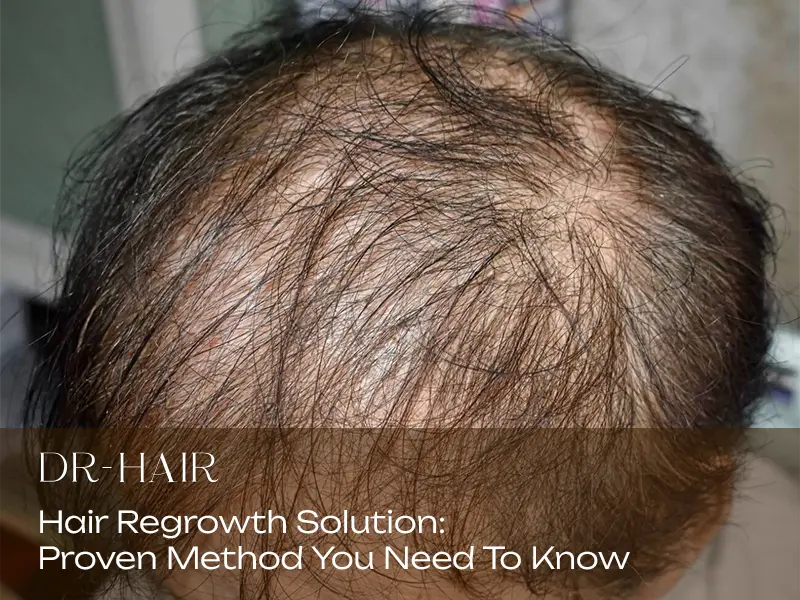
Finding a permanent hair regrowth solution can feel like an uphill battle, especially when faced with the humidity and lifestyle factors unique to Malaysia. Whether you are noticing a receding hairline or thinning patches, understanding the clinical landscape of hair loss treatment is the first step toward restoration. Modern science has evolved beyond simple tonics. Today, Malaysians have access to FDA-approved medications, regenerative therapies, and advanced surgical techniques. Choosing a science-backed hair regrowth solution In Malaysia ensures you aren’t just wasting money on ineffective products, but rather investing in your scalp’s long-term health. 5 Key Takeaways for Hair Loss Treatment Early Intervention is Critical: Clinical treatments are most effective when started at the first signs of thinning before follicles become dormant. FDA-Approved Gold Standards: Minoxidil and Finasteride remain the primary medical treatments with the highest clinical success rates globally. Regenerative Therapies: Procedures like PRP (Platelet-Rich Plasma) are gaining popularity in Malaysia as a non-surgical hair regrowth solution. The “Combo” Advantage: Most dermatologists recommend a “multi-modal” approach—combining topical solutions with oral medication for optimal results. Consistency is Key: Whether using a serum or a laser cap, a hair regrowth solution takes time; most users only see visible changes after 3 to 6 months. Understanding the Science of Hair Loss and Regrowth Hair loss, or alopecia, isn’t just a cosmetic issue—it’s often a biological process driven by genetics (Androgenetic Alopecia), stress, or hormonal shifts. In Malaysia, factors like heat-induced scalp inflammation and nutritional deficiencies can also play a role. The most effective hair regrowth solution focuses on the hair growth cycle. Every strand on your head goes through an active growth phase (anagen), a transitional phase (catagen), and a resting phase (telogen). Most treatments work by extending the anagen phase or revitalizing “sleeping” follicles to produce thicker, healthier strands. When you select a targeted hair regrowth solution, you are essentially “waking up” these dormant cells to restart the production of hair fibers. Top Clinical Hair Loss Treatment Options in Malaysia If you’re looking for professional intervention, several evidence-based treatments are widely available across the country to serve as your primary hair regrowth solution. 1. FDA-Approved Medications The first line of defense typically involves topical and oral medications. Minoxidil, a vasodilator, improves blood flow to the follicles, while Finasteride (prescribed for men) blocks DHT—the hormone responsible for shrinking hair follicles. According to the Mayo Clinic, consistent use of these can stop further loss and trigger new growth in over 60% of cases. 2. Platelet-Rich Plasma (PRP) Therapy This regenerative treatment uses your own blood. A small sample is drawn, processed to concentrate the growth-factor-rich platelets, and then injected back into the scalp. It is a favored hair loss treatment because it is natural and has virtually no downtime. For those wary of chemicals, PRP is often considered the most holistic hair regrowth solution available in modern aesthetics. 3. Low-Level Laser Therapy (LLLT) LLLT involves using medical-grade lasers (often in the form of a cap or comb) to deliver light energy to the scalp. This “photobiomodulation” stimulates cellular activity in weakened follicles. Research shared by Oxford Academic indicates that LLLT is a safe, non-invasive hair regrowth solution when used 2-3 times per week to boost follicle metabolism. 4. Hair Transplant Surgery (FUE & FUT) For advanced balding, surgical restoration is often the most permanent hair regrowth solution. Follicular Unit Extraction (FUE) is particularly popular in Malaysia as it involves moving individual follicles from a “donor” area to the thinning zone without leaving a linear scar. [Image comparing FUE and FUT hair transplant techniques] This method remains the gold standard for those seeking a one-time, definitive hair regrowth solution that looks and feels completely natural. Natural Approaches and Scalp Health While clinical treatments do the heavy lifting, your lifestyle provides the foundation. A diet rich in biotin, zinc, and iron supports the production of keratin, the protein that makes up your hair. In the Malaysian climate, regular scalp cleansing is also vital to prevent sebum buildup, which can lead to fungal issues and exacerbate thinning. Even the best hair regrowth solution will struggle if the scalp environment is clogged and unhealthy. The Ministry of Health Malaysia (MOH) often emphasizes the importance of seeking professional diagnosis before starting any intensive regimen to ensure the treatment matches the specific cause of your hair loss. Frequently Asked Questions (FAQ) 1. How long does it take to see results from hair loss treatment? Typically, you will need to wait 3 to 6 months to see visible regrowth. Hair grows slowly, and most treatments require at least two full growth cycles to show a significant difference. 2. Is a hair regrowth solution permanent? Surgical options like hair transplants are permanent. However, medical treatments like Minoxidil or Finasteride must be continued to maintain the results. If you stop the medication, the hair gained may eventually fall out. 3. Are there side effects to hair loss medications? Most users tolerate treatments well. Topical Minoxidil can sometimes cause scalp itchiness. Oral medications may have hormonal side effects, so it is essential to consult a doctor before starting. 4. Can women undergo these hair loss treatments too? Yes, but the options differ. While Minoxidil is safe for women, Finasteride is generally not recommended for those of childbearing age. Women often find success with PRP and specialized nutritional supplements as their primary hair regrowth solution. 5. How much does hair loss treatment cost in Malaysia? Costs vary widely. Topical tonics can start as low as RM50, while clinical sessions like PRP may range from RM800 to RM2,000 per session. Surgical transplants are the most significant investment, often starting from RM8,000. Restore Your Confidence with a Healthy Scalp and Thick Hair Kalau anda dah penat sangat dengan masalah rambut gugur atau gatal kepala, Dr Hair Malaysia ada solusinya. Kami pakar dalam Scalp Treatment dan PRP Hair Therapy yang memang padu untuk reset semula kesihatan kulit kepala anda. Kalau anda berada berdekatan area Petaling Jaya, Damansara & Kuala Lumpur, wajib singgah cuba PRP hair treatment dan treatment rambut kami yang lain untuk hasil rambut
Kulit Kepala Gatal: Punca Utama, Rawatan & Cara Mencegahnya
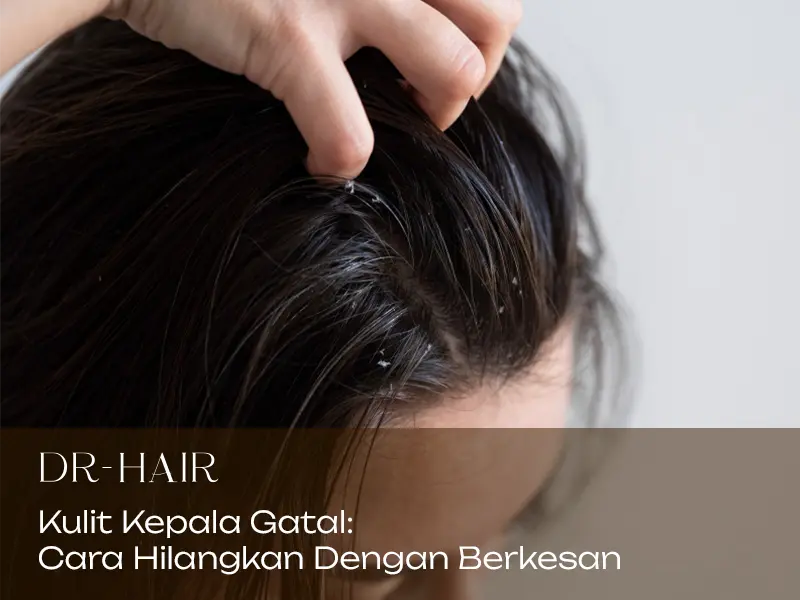
Siapa pernah rasa tengah meeting atau tengah makan kenduri, tiba-tiba rasa nak garu kepala sampai tak boleh tahan? Memang stres! Isu kulit kepala gatal bukan sekadar gangguan kecil; ia boleh menjejaskan keyakinan diri dan kesihatan rambut kita dalam jangka masa panjang. Di Malaysia, dengan faktor cuaca tropika yang ekstrem dan gaya hidup unik kita, masalah ini memerlukan pendekatan yang tepat dan saintifik untuk diselesaikan. Apa Itu Kulit Kepala Gatal? Kulit kepala gatal, atau secara perubatan dikenali sebagai pruritus, adalah sensasi yang mencetuskan keinginan untuk menggaru. Ia sebenarnya adalah isyarat kecemasan daripada sistem saraf nociceptors di bawah kulit kepala anda yang bertindak balas terhadap keradangan atau gangguan pada epidermis. Maksud & Bagaimana Ia Berlaku Kegatalan berlaku apabila penghalang pelindung (skin barrier) kulit kepala terganggu. Apabila lapisan lipid ini rosak, fenomena yang dipanggil Transepidermal Water Loss (TEWL) berlaku—kelembapan keluar dan agen iritasi masuk ke dalam. Menurut Mayo Clinic, kegatalan kulit kepala selalunya berpunca daripada tindak balas sistem imun terhadap iritasi, bahan kimia, atau jangkitan kuman yang mengganggu homeostasis kulit. Perbezaan Gatal Biasa vs Masalah Kulit Kepala Gatal biasa selalunya bersifat sementara—mungkin sebab pengumpulan peluh (hyperhidrosis) selepas bersukan. Namun, jika gatal disertai dengan kepingan putih, bintik merah, atau bau yang kurang enak (masalah mikrobiom), itu petanda isu kronik seperti seborrheic dermatitis atau jangkitan kulat yang memerlukan rawatan aktif. Punca Kulit Kepala Gatal yang Paling Biasa di Malaysia Cuaca khatulistiwa kita memang ‘syurga’ untuk pembiakan mikrob jika tidak diuruskan dengan betul. Kelemumur & Kulat (Malassezia) Punca nombor satu! Kulat Malassezia adalah organisma lipofilik yang memakan minyak semula jadi (sebum). Menariknya, bukan kulat itu yang menyebabkan gatal, tetapi asid oleik yang dihasilkan sebagai sisa buangan kulat tersebut yang mencetuskan reaksi alahan pada kulit kepala ramai rakyat Malaysia. Kulit Kepala Kering Terlalu banyak duduk dalam aircond pejabat atau kerap mandi air panas boleh menyebabkan dehidrasi kulit kepala. Bila kering, sel kulit mengecut dan merekah, menghantar isyarat gatal yang tajam ke otak. Kulit Kepala Berminyak & Tersumbat Sebum berlebihan yang terperangkap oleh debu bandar dan sisa produk rambut (product buildup) akan membentuk lapisan lekit. Ini menyumbat folikel dan mewujudkan persekitaran anaerobik yang sesuai untuk bakteria patogen membiak. Alergi Produk Rambut Sesetengah orang sensitif terhadap bahan kimia seperti wangian sintetik atau pengawet seperti methylisothiazolinone. Fenomena ini dipanggil contact dermatitis, di mana kulit kepala bertindak balas terhadap molekul asing dalam syampu atau pewarna rambut. Jangkitan Kulat & Bakteria Jangkitan seperti tinea capitis (kurap kepala) bukan sahaja gatal malah boleh menyebabkan keradangan granulomatous yang membawa kepada tompokan botak kekal jika tidak dirawat segera. Cuaca Panas & Kelembapan Tinggi Malaysia Kelembapan tinggi menghalang penyejatan peluh secara efisien. Peluh yang terperangkap di bawah rambut tebal, tudung, atau topi keledar (bagi penunggang motosikal) akan menukar pH kulit kepala menjadi lebih alkali, yang merangsang pertumbuhan bakteria. Tekanan & Ketidakseimbangan Hormon Stress meningkatkan hormon kortisol yang mencetuskan neurogenic inflammation. Inilah sebabnya mengapa ramai pelajar atau pekerja korporat di Malaysia mengadu kepala lebih gatal ketika musim peperiksaan atau tarikh akhir projek (deadlines). Tanda & Gejala Kulit Kepala Gatal Penting untuk anda membezakan antara kegatalan biasa dengan simptom klinikal. Kegatalan Berpanjangan Rasa gatal yang kronik (melebihi 2 minggu) atau kegatalan yang memuncak pada waktu malam, yang mungkin menandakan gangguan saraf atau jangkitan parasit. Kemerahan, Bersisik & Keruping Adanya plak kemerahan atau sisik keperakan mungkin menunjukkan psoriasis, manakala keruping kekuningan dan berminyak adalah tanda klasik seborrheic dermatitis. Rambut Gugur Berkaitan Tabiat menggaru secara mekanikal merosakkan kutikel rambut. Menurut data daripada American Academy of Dermatology, keradangan kulit kepala yang kronik menghantar isyarat kepada folikel untuk memasuki fasa telogen (rehat) lebih awal, menyebabkan penipisan rambut pramatang. Cara Mengatasi Kulit Kepala Gatal di Rumah Langkah pertama: Hentikan tabiat menggaru dengan kuku kerana ia menyebabkan mikroluka yang mengundang jangkitan sekunder. Rutin Penjagaan Kulit Kepala Basuh rambut mengikut keperluan tahap sebum anda. Bagi warga Malaysia yang aktif, basuhan harian menggunakan air suhu bilik adalah terbaik untuk membuang sisa peluh asid yang merengsakan kulit. Syampu Sesuai untuk Kulit Kepala Gatal Cari syampu bersifat pH-balanced. Nilai pH ideal adalah sekitar 5.5. Syampu yang terlalu beralkali akan membuka kutikel rambut dan merosakkan lapisan asid pelindung kulit kepala. Bahan Semula Jadi yang Selamat Digunakan Minyak Pokok Teh (Tea Tree Oil): Terkenal dengan sebatian terpinen-4-ol yang bersifat antikulat. Cuka Epal (ACV): Membantu mengembalikan pH asid kulit kepala (cairkan dengan air sebelum guna). Aloe Vera: Mengandungi polysaccharides yang memberikan kesan hidrasi dan menyejukkan kulit yang meradang. Produk Terbaik untuk Kulit Kepala Gatal Syampu Anti-Kelemumur Berdasarkan garis panduan U.S. Food and Drug Administration, bahan aktif seperti Zinc Pyrithione dan Selenium Sulfide dikategorikan sebagai agen antimitotic yang melambatkan penghasilan sel kulit mati yang berlebihan. Tonik & Serum Kulit Kepala Pilih serum yang berasaskan air (water-based) agar tidak menyumbat pori. Produk dengan kandungan Niacinamide juga bagus untuk menguatkan skin barrier kulit kepala. Bahan Aktif yang Disarankan Pakar Ketoconazole: Agen antikulat spektrum luas yang sangat berkesan terhadap Malassezia. Salicylic Acid: Bertindak sebagai keratolytic untuk mencairkan keruping dan sel mati. Menthol: Memberikan kesan cryotherapy ringan untuk mengalihkan perhatian saraf daripada rasa gatal. Rawatan Kulit Kepala Gatal di Klinik Malaysia Apabila rawatan kaunter (OTC) gagal, intervensi perubatan adalah perlu. Pemeriksaan Kulit Kepala oleh Pakar Pakar akan menggunakan Dermatoscope untuk melihat vaskulariti dan kehadiran parasit atau spora kulat yang tidak nampak dengan mata kasar. Rawatan Perubatan & Preskripsi Ini mungkin termasuk losyen steroid topikal untuk meredakan bengkak atau ubat antikulat oral bagi kes jangkitan yang mendalam di dalam folikel. Anggaran Kos Rawatan di Malaysia Konsultasi di klinik swasta biasanya antara RM80 – RM200. Jika melibatkan prosedur seperti rawatan oksigen atau suntikan intralesional, kos boleh meningkat sehingga RM500. Hospital kerajaan pula menawarkan pilihan yang lebih ekonomik melalui jabatan dermatologi. Cara Mencegah Kulit Kepala Gatal Pencegahan adalah strategi jangka panjang yang paling berbaloi. Amalan Kebersihan Rambut Tukar tuala mandi dan sarung bantal secara kerap. Bagi wanita berhijab, pastikan rambut benar-benar kering sebelum memakai tudung untuk mengelakkan kelembapan terperangkap yang mencetuskan bau dan gatal. Pemilihan Produk yang Betul Kurangkan penggunaan dry shampoo secara berlebihan dan pastikan produk penggayaan (wax/gel) tidak terkena terus pada kulit kepala. Gaya Hidup & Pemakanan Sihat Diet tinggi gula boleh memburukkan keradangan. Tingkatkan pengambilan
10 Early Signs of Hair Loss: How to Spot Thinning & Balding in Malaysia

Hair loss often begins quietly, and early detection is essential because many causes can be treated when addressed promptly. In Malaysia, recognising early signs—such as thinning, shedding, or a receding hairline—helps you seek professional care sooner. Below are the most reliable warning signs, why they happen, and when to get expert help right away today. 10 Early Signs of Hair Loss 1. Thinner Hair on the Top of the Head The most common early sign of androgenetic alopecia (pattern hair loss). Appears as diffuse thinning across the crown or mid-scalp. In women: thinning begins along the part line. In men: density drops near the vertex (top/back).Why it happens: Follicles shrink and produce finer, shorter hairs. 2. A Widening Part Line A hallmark sign of female pattern hair loss. More noticeable under bright lighting or in photos.Why it happens: Follicles miniaturize, making each strand thinner. 3. Excessive Hair Shedding Losing 100–150 hairs daily for several weeks may indicate telogen effluvium. Often triggered by stress, illness, childbirth, diet changes, or medications. Hair may come out in clumps when brushed or washed. 4. A Receding Hairline Slow recession around the temples is common in early male pattern baldness. Women may experience frontal fibrosing alopecia, often with eyebrow thinning. 5. Seeing More Scalp in Photos Photographs reveal density changes before the mirror does. Increased scalp visibility under overhead or natural light suggests thinning. 6. A Smaller Ponytail A common early sign for women. A ponytail feels thinner or requires more wraps around a hair tie.Why it happens: Decreased hair volume or increased shedding. 7. Changes in Hair Texture Miniaturized follicles produce finer, shorter hair. Hair may feel limp, uneven, or difficult to style. 8. Itchy, Burning, or Red Scalp Conditions like seborrheic dermatitis, psoriasis, or scarring alopecias can cause inflammation. Treating early helps prevent permanent follicle damage. 9. Bald Patches Circular or oval smooth bald spots point to alopecia areata. An autoimmune condition where the immune system targets hair follicles. 10. Hair Loss Beyond the Scalp Loss of eyebrows, eyelashes, or body hair may indicate autoimmune, hormonal, or nutritional issues. Eyebrow thinning can signal thyroid problems or anemia. When to See a Dermatologist Seek professional evaluation promptly if: Hair loss is rapid, patchy, or emotionally distressing. The scalp is red, painful, or scaly. You have other symptoms (fatigue, weight changes, menstrual irregularity). Hair loss continues for longer than three months. You wish to start early preventive treatment. Early diagnosis improves outcomes—many causes are reversible. Common Causes of Early Hair Loss Cause Example Genetics Pattern hair loss caused by sensitivity to hormones. Hormonal Thyroid disorders, PCOS, menopause, postpartum changes. Stress Telogen effluvium after illness, surgery, or major stress. Diet Low iron, vitamin D, zinc, or protein intake. Medications Hair loss as a side effect of certain drugs. Immune System Alopecia areata (autoimmune follicle attack). Effective Treatment Options Medications Topical Minoxidil: First-line treatment; prolongs hair growth phase. Finasteride / Dutasteride: For men; reduces DHT levels. Spironolactone: For women with hormone-related thinning. Corticosteroids: For alopecia areata (injections, creams, or oral). Procedures PRP (Platelet-Rich Plasma): Growth factors stimulate follicle activity. Low-Level Laser Therapy (LLLT): Light therapy boosts follicle energy. Hair Transplant: Useful for stable, advanced pattern loss. Supportive Care Eat a nutrient-rich diet (adequate protein, iron, vitamins). Reduce stress with sleep, exercise, and relaxation strategies. Avoid harsh styling, tight hairstyles, and excessive heat or chemicals. Conclusion: Early Action Makes the Biggest Difference Hair loss rarely appears overnight—it usually starts with subtle changes like thinning, extra shedding, or scalp visibility. Recognizing these early signs and seeking prompt evaluation can stop progression, reverse shedding, and protect long-term hair density. Whether caused by genetics, hormones, stress, or medical conditions, early diagnosis and personalized treatment offer the best chance for strong, healthy regrowth. Ready for a Healthy Scalp and Thicker Hair? Dr. Hair, offers great scalp treatments & best hair loss treatment in malaysia to help you get healthier, fuller hair. The treatments include PRP hair therapy. This is a new way to boost hair growth and cut down on hair loss. Each treatment fits your needs. This ensures safer, better results. With Dr. Hair’s treatments, you will feel more confident daily as your hair gets thicker and healthier. Don’t let hair problems hurt your confidence. Take the first step toward a healthy scalp and stronger hair today. Experience the difference for yourself!
Rambut Gugur Bukan Remeh! Ini 10 Punca Utama Yang Anda Mungkin Tak Sedar
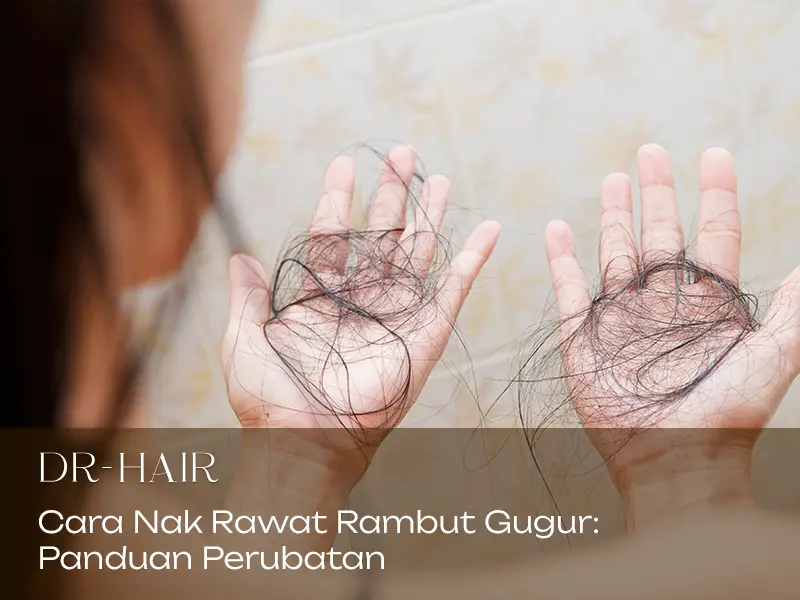
Punca rambut gugur termasuk faktor genetik (keturunan), perubahan hormon seperti selepas bersalin atau masalah tiroid, tekanan fizikal atau emosi, kekurangan nutrisi (zat besi, protein, vitamin D), masalah kulit kepala seperti kelemumur, pengambilan ubat tertentu, dan gaya hidup tidak sihat seperti kurang tidur atau merokok. Apakah Punca Rambut Gugur Teruk? Masalah rambut gugur atau alopecia kini menghantui ramai rakyat Malaysia, tanpa mengira usia. Dari faktor genetik hingga cuaca khatulistiwa yang ekstrem, memahami punca utama adalah langkah pertama untuk rawatan berkesan. Jom selami mengapa mahkota diri anda semakin menipis. Punca Rambut Gugur Paling Biasa Secara purata, manusia kehilangan 50 hingga 100 helai rambut sehari. Namun, keguguran berlebihan biasanya berpunca daripada gabungan faktor dalaman dan luaran yang mengganggu kitaran pertumbuhan rambut semula jadi (fasa anagen). Faktor Genetik (Keturunan) Punca paling dominan ialah Androgenetic Alopecia. Jika ibu bapa anda mengalami penipisan rambut, risiko anda lebih tinggi. Genetik menentukan sensitiviti folikel terhadap hormon DHT, yang mengecilkan liang rambut sehingga ia berhenti tumbuh secara kekal. Perubahan Hormon Ketidakseimbangan hormon semasa akil baligh, hamil, atau menopaus sering mencetuskan keguguran. Hormon seperti estrogen dan testosteron mempengaruhi kekuatan akar. Menurut Kementerian Kesihatan Malaysia (KKM), gangguan endokrin boleh menyebabkan rambut fasa rehat (telogen) luruh lebih awal daripada biasa. Tekanan (Stress) Tekanan emosi atau fizikal yang teruk boleh menyebabkan Telogen Effluvium. Apabila badan mengalami stres kronik, ia menghantar isyarat kepada folikel rambut untuk “berehat” secara mengejut. Ini mengakibatkan keguguran segumpal rambut dalam tempoh tiga bulan selepas kejadian stres tersebut. Pemakanan Tidak Seimbang Rambut memerlukan protein dan asid amino untuk membina keratin. Pengambilan makanan segera yang tinggi lemak trans tetapi rendah zat menghalang nutrien sampai ke kulit kepala. Tanpa protein yang cukup, struktur rambut menjadi rapuh dan mudah patah. Kekurangan Vitamin dan Mineral Kekurangan zat besi, zink, dan vitamin B12 adalah punca utama di Malaysia. Zat besi membantu sel darah merah membawa oksigen ke folikel. Anda boleh merujuk Panduan Diet Malaysia untuk memastikan pengambilan mikronutrien yang mencukupi bagi menyokong kesihatan rambut. Punca Rambut Gugur Berkaitan Gaya Hidup Gaya hidup moden yang serba pantas sering menjadi musuh tersembunyi bagi kesihatan kulit kepala dan kekuatan helaian rambut kita. Kurang Tidur Tidur yang tidak berkualiti mengganggu rembesan hormon melatonin dan pertumbuhan sel. Badan membaiki tisu yang rosak semasa tidur lena. Jika anda sering berjaga malam, kitaran regenerasi folikel terganggu, menyebabkan rambut kusam dan mudah gugur. Diet Melampau Penurunan berat badan yang terlalu drastik dalam masa singkat mengejutkan sistem badan. Diet rendah kalori melampau sering mengabaikan nutrisi penting. Kekurangan tenaga ini memaksa badan mengutamakan organ vital, lalu menghentikan bekalan nutrien ke rambut yang dianggap tidak kritikal. Penggunaan Produk Rambut Tidak Sesuai Syampu yang mengandungi sulfat (SLS) atau paraben berlebihan boleh merengsakan kulit kepala sensitif. Produk yang terlalu kuat menanggalkan minyak semula jadi, menyebabkan kulit kepala kering atau terlalu berminyak, yang akhirnya menyumbat pori dan melemahkan akar. Penggunaan Alat Haba Berlebihan Sering menggunakan pengering rambut, pelurus, atau pengeriting dengan suhu melebihi 180°C merosakkan kutikel. Haba tinggi memecahkan ikatan hidrogen dalam rambut, menjadikannya rapuh. Pastikan anda menggunakan pelindung haba rambut sebelum menggayakan rambut untuk meminimumkan kerosakan struktur. Rawatan Kimia Rambut Tabiat kerap mewarnakan rambut, melakukan rebonding, atau perming menggunakan bahan kimia kuat seperti ammonia. Bahan ini meresap ke dalam batang rambut dan mengubah struktur asalnya secara kekal, yang sering membawa kepada masalah rambut bercabang dan keguguran kronik. Punca Rambut Gugur Mengikut Jantina Lelaki dan wanita mengalami corak keguguran yang berbeza disebabkan oleh profil hormon dan faktor biologi yang unik. Punca Rambut Gugur Lelaki Lelaki biasanya mengalami keguguran bercorak (MPB) yang bermula di garis rambut atau ubun-ubun. Hormon Dihydrotestosterone (DHT) adalah dalang utama yang mengecilkan folikel. Faktor gaya hidup seperti merokok juga menyumbang kepada penyusutan bekalan darah ke kulit kepala. Punca Rambut Gugur Wanita Wanita cenderung mengalami penipisan menyeluruh di bahagian tengah kepala. Selain faktor genetik, wanita terdedah kepada isu kekurangan zat besi akibat kitaran haid dan perubahan hormon selepas melahirkan anak atau ketika fasa pramenopaus. Punca Rambut Gugur Mengikut Umur Setiap peringkat umur membawa cabaran biologi yang berbeza terhadap ketumpatan dan kesuburan rambut manusia. Punca Rambut Gugur Remaja Remaja sering mengalami keguguran akibat perubahan hormon akil baligh yang drastik. Selain itu, gaya pemakanan yang buruk (snek dan minuman manis) serta penggunaan produk penggayaan rambut yang trendi namun keras menjadi faktor penyumbang utama. Punca Rambut Gugur Dewasa Golongan dewasa biasanya terkesan oleh komitmen kerja yang membawa kepada stres kronik. Gabungan faktor kerjaya, kekurangan masa untuk penjagaan diri, dan pendedahan kepada pencemaran persekitaran mempercepatkan proses penuaan rambut dan keguguran pramatang. Punca Rambut Gugur Warga Emas Secara semula jadi, kadar pertumbuhan rambut menjadi perlahan seiring usia. Folikel menjadi kurang aktif dan batang rambut menjadi lebih halus (uban). Penyerapan nutrien yang semakin merosot pada usia emas juga menyumbang kepada keguguran yang lebih ketara. Punca Rambut Gugur Disebabkan Masalah Kesihatan Kadangkala, rambut gugur adalah “isyarat kecemasan” daripada badan yang menunjukkan adanya masalah kesihatan dalaman yang lebih serius. Alopecia Areata Ini adalah penyakit autoimun di mana sistem imun badan menyerang folikel rambut sendiri. Ia menyebabkan keguguran rambut berbentuk tompokan bulat yang licin. Menurut Persatuan Dermatologi Malaysia, rawatan awal seperti suntikan kortikosteroid dapat membantu merangsang pertumbuhan semula. Masalah Tiroid Sama ada hipertiroidisme atau hipotiroidisme, gangguan pada kelenjar tiroid menjejaskan metabolisme badan termasuk pertumbuhan rambut. Gangguan ini menyebabkan kitaran rambut terhenti, mengakibatkan rambut luruh secara sekata di seluruh bahagian kulit kepala dan kening. Anemia (Kurang Darah) Kekurangan hemoglobin bermakna kurang oksigen sampai ke sel-sel yang membina rambut. Anemia sering berlaku di kalangan wanita Malaysia. Simptom rambut gugur yang disertai dengan rasa letih dan pucat biasanya menandakan keperluan untuk suplemen zat besi. Penyakit Kulit Kepala Jangkitan kulat seperti Tinea Capitis atau masalah keradangan seperti psoriasis dan seborrheic dermatitis menyebabkan kegatalan melampau. Garuan yang kuat merosakkan folikel, manakala keradangan pada kulit kepala menghalang rambut baru daripada tumbuh dengan sihat. Kesan Sampingan Ubat Ubat-ubatan tertentu untuk darah tinggi, kemurungan, dan arthritis mempunyai kesan sampingan keguguran rambut. Rawatan kemoterapi adalah contoh paling jelas di mana ubat tersebut menyerang semua sel yang membelah dengan cepat, termasuk sel folikel rambut. Punca Rambut Gugur Berkaitan Persekitaran di Malaysia Faktor geografi dan persekitaran tempatan memainkan peranan besar dalam menentukan tahap kesihatan kulit kepala
Microneedling for Hair Loss: A Cutting-Edge Treatment Explained

Hair loss affects millions of people globally, often impacting self-esteem and overall well-being. While traditional treatments like topical minoxidil or oral medications exist, a newer, minimally invasive option is gaining attention: microneedling for hair loss. This cutting-edge technique shows promising results in stimulating hair regrowth and improving scalp health. In this blog, we’ll explore what microneedling is, how it works for hair loss, the science behind it, who it’s suitable for, and what to expect from the procedure. What is Microneedling? Microneedling, also known as collagen induction therapy, involves using a device with fine needles to create micro-injuries (tiny punctures) in the skin. Originally used in dermatology for skin rejuvenation, reducing scars, and improving texture, microneedling has now expanded into the world of hair restoration. When applied to the scalp, these micro-injuries trigger the body’s natural healing response. This includes increased collagen production, improved blood flow, and the activation of various growth factors — all of which play a critical role in hair follicle health and regeneration. How Does Microneedling Help with Hair Loss? The process works by rejuvenating dormant or weakened hair follicles. When the scalp is microneedled, several mechanisms contribute to hair regrowth: Increased Blood Circulation: The microchannels created by the needles enhance blood flow, delivering more oxygen and nutrients to hair follicles. Activation of Growth Factors: Microneedling stimulates the release of platelet-derived growth factor (PDGF), vascular endothelial growth factor (VEGF), and other cytokines that support hair growth. Enhanced Product Absorption: When used alongside topical treatments (like minoxidil), microneedling can dramatically improve absorption, making the treatments more effective. Stem Cell Activation: The injury signals produced may activate stem cells in the hair follicle bulge area, essential for hair cycling and regeneration. These effects work synergistically to promote thicker, healthier, and more resilient hair growth. Scientific Backing: What Studies Say Several clinical studies support the effectiveness of microneedling for hair loss. One prominent 2013 study compared the effects of minoxidil 5% alone versus minoxidil combined with weekly microneedling sessions. The group receiving the combination therapy experienced significantly greater hair regrowth. Another review in the Journal of Cosmetic Dermatology found that microneedling, especially when paired with growth factors or PRP (platelet-rich plasma), can result in visibly improved hair density and coverage within months. These findings continue to encourage more dermatologists and trichologists to offer microneedling as part of a comprehensive hair loss treatment plan. Who is Microneedling Best Suited For? Microneedling for hair loss is effective for various types of hair thinning, including: Androgenetic Alopecia (Male and Female Pattern Baldness) Telogen Effluvium (stress-related shedding) Alopecia Areata (patchy hair loss) It’s generally considered safe for most skin types and hair types. However, it may not be suitable for individuals with active scalp infections, severe skin conditions (like eczema or psoriasis), or bleeding disorders. A consultation with a qualified healthcare provider or dermatologist is crucial to determine if microneedling is right for your specific condition. The Procedure: What to Expect A typical microneedling session for hair loss follows these steps: Scalp Preparation: The scalp is cleaned thoroughly, and a topical numbing cream is applied to reduce discomfort. Microneedling Treatment: Using a dermaroller or motorized pen (often with 0.5–1.5mm needles), the practitioner creates micro-injuries across the thinning areas. Topical Application: Post-treatment, a serum (like minoxidil or PRP) is applied to penetrate deeper via the microchannels. Recovery: Mild redness and sensitivity are normal and typically subside within 24–48 hours. Most patients require a series of sessions (usually once a week or biweekly for several months) to see noticeable results. Hair density improvements often begin around the 8 to 12-week mark. Benefits of Microneedling for Hair Loss Non-surgical and minimally invasive Enhances effectiveness of topical treatments Boosts scalp health and collagen production Promotes natural-looking hair growth Suitable for both men and women When performed correctly and consistently, it’s a safe and evidence-based method to help combat hair loss and stimulate regrowth. Frequently Asked Questions (FAQs) 1. Does microneedling for hair loss hurt? Most people experience only mild discomfort during the procedure, thanks to numbing cream. The sensation is often described as a tingling or slight scratching feeling. 2. How soon can I expect to see results? Visible results typically start appearing after 8–12 weeks of regular treatment. Full benefits may take up to 6 months. 3. Can I do microneedling at home? Yes, at-home dermarollers are available, but they’re usually less effective than professional devices. Home use requires careful hygiene to avoid infections and should only be attempted under guidance. 4. Are there any side effects? Common side effects include redness, slight swelling, and scalp sensitivity, which usually resolve within 1–2 days. Rare complications include infection or prolonged inflammation if not performed correctly. 5. Can microneedling be combined with other treatments? Absolutely. It’s often used alongside minoxidil, PRP therapy, or specialized serums to maximize results. Always consult a professional before combining treatments. Final Thoughts Microneedling for hair loss represents a promising frontier in hair restoration. By harnessing the body’s natural healing processes, it revitalizes the scalp and supports healthier, fuller hair regrowth. Whether you’re dealing with pattern baldness, stress-induced thinning, or alopecia areata, microneedling could be a valuable addition to your treatment regimen. As with any medical or cosmetic procedure, consult a qualified professional to ensure it’s the right choice for your specific needs. With consistent treatment and professional guidance, microneedling may be the step that leads you back to healthier, more confident hair.
PRF Hair Treatment: Platelet-Rich Fibrin for Natural Hair Regrowth in Malaysia

PRF Hair Treatment in Malaysia: Advanced Hair Regrowth Solution If you’ve been scrolling through social media or chatting with friends about hair thinning, you’ve likely heard of PRP. But there is a new “liquid gold” in town making waves across clinics from Kuala Lumpur to Penang. PRF (Platelet-Rich Fibrin) is being hailed as the “next-gen” version of platelet therapy, offering a more potent, natural way to wake up those sleepy hair follicles. What is PRF Hair Treatment? PRF (Platelet-Rich Fibrin) is an advanced form of PRP derived from your own blood. Unlike PRP, it contains a higher concentration of platelets, growth factors, and white blood cells in a fibrin matrix. This allows for slower, sustained release of healing properties, enhancing follicle regeneration and hair growth naturally. Understanding Platelet-Rich Fibrin (PRF) At its core, PRF is a concentrated mix of platelets, white blood cells, and stem cells trapped in a fibrin matrix. Think of fibrin as a natural “scaffold” that keeps all the good stuff in place once it’s injected into your scalp. Because it’s 100% autologous (meaning it comes from you), there are no synthetic additives involved. How PRF Differs from PRP for Hair Loss While both start with a simple blood draw, the magic happens in the centrifuge. Unlike PRP, which is spun at high speeds, PRF uses a low-speed centrifugation process. According to the American Academy of Dermatology, platelet-based therapies work by delivering growth factors directly to the bulb of the hair follicle. The lower speed in PRF preserves more of the delicate white blood cells and mesenchymal stem cells that often get “squashed” or lost in the traditional PRP process. PRP vs PRF: Which is Better for Hair Loss? The “PRP vs PRF” debate is hot in Malaysian aesthetic circles. While PRP has been the gold standard for years, PRF is quickly gaining ground for its efficiency. Key Differences Between PRP and PRF The Matrix: PRF forms a gel-like fibrin clot; PRP remains a liquid. Release Speed: PRF releases growth factors slowly over 7–10 days, whereas PRP delivers a quick “burst” that fades in hours. Additives: PRP requires anticoagulants (like citrate dextrose) to prevent clotting during the spin. PRF is totally additive-free. Effectiveness and Results Comparison In terms of pure “bang for your buck,” PRF often takes the lead. Because of the slow-release mechanism, your follicles are bathed in growth factors for a week rather than a few hours. A study indexed by the National Institutes of Health (NIH) suggests that the presence of a fibrin matrix can significantly enhance the regenerative environment of the scalp compared to plasma alone. Safety, Side Effects, and Downtime Both are incredibly safe because they use your own blood—no “frankenhair” risks here! However, because PRF doesn’t use anticoagulants, some patients find it even gentler on the scalp, with less stinging during the injection. Benefits of PRF Hair Treatment Why are Malaysians choosing PRF over traditional tonics or transplants? It’s all about the “natural” factor. Natural Hair Regrowth Stimulation PRF doesn’t just “mask” hair loss; it addresses the root cause by extending the anagen (growth) phase of the hair cycle. It’s like giving your scalp premium organic fertilizer. Improved Hair Density and Thickness It’s not just about more hair; it’s about better hair. PRF is known to increase the diameter of the hair shaft, making your existing mane look significantly fuller. Minimal Downtime and Side Effects You can literally get this done during your lunch break in Mid Valley and head back to the office. Aside from some temporary “puffiness” or a bit of tenderness, there’s no “healing” period like you’d see with a transplant. Ideal Candidates for PRF Hair Treatment Not everyone is a perfect match for PRF. It works best when there is still “life” left in the follicles. Hair Loss Patterns Treated Androgenetic Alopecia: Male and female pattern baldness. Telogen Effluvium: Stress-related thinning (very common post-pandemic!). Traction Alopecia: Thinning caused by tight hijabs or hairstyles. Age and Health Considerations Ideally, you should be in generally good health. If you are a heavy smoker or have certain blood disorders, the “quality” of your PRF might be lower. According to the Mayo Clinic, factors like platelet count and overall systemic health play a role in how well your body responds to autologous therapies. PRF Hair Treatment Procedure Curious about what actually happens in the clinic? It’s a pretty straightforward three-step dance. Step-by-Step Overview The Draw: A small amount of blood is taken from your arm (just like a standard blood test). The Spin: The blood is placed in a specialized centrifuge for about 5–10 minutes. The Injection: The concentrated PRF is injected into the thinning areas of your scalp using a tiny needle. Duration and Number of Sessions The whole process takes about 45 to 60 minutes. Most Malaysian specialists recommend a “loading phase” of 3 sessions, spaced 4–6 weeks apart, followed by maintenance every 6–12 months. PRF Hair Treatment Before and After Results Patience is a virtue here. You won’t wake up as Rapunzel the next day, but the changes are real. Expected Timeline for Visible Results Month 1: Reduced hair shedding (the “drain clog” test). Month 3: New “baby hairs” appearing along the hairline. Month 6: Noticeable increase in overall volume and scalp coverage. Real Patient Case Studies in Malaysia Many clinics in Bangsar and Mont Kiara report high satisfaction rates, particularly among women dealing with postpartum hair thinning and men in the early stages of a receding hairline. Risks and Side Effects of PRF Hair Therapy While it’s one of the safest treatments out there, it isn’t completely “risk-free”—though the risks are mostly just minor annoyances. Common Side Effects Mild Swelling: Your scalp might feel a bit “full” for 24 hours. Tenderness: A bit of soreness at the injection sites. Bruising: Rare, but possible at the blood draw site. Precautions and Safety Measures Avoid anti-inflammatory meds like Ibuprofen for a few days before and after, as they can interfere with the “good” inflammation PRF is trying to