

PRF Hair Treatment in Malaysia: Advanced Hair Regrowth Solution
If you’ve been scrolling through social media or chatting with friends about hair thinning, you’ve likely heard of PRP. But there is a new “liquid gold” in town making waves across clinics from Kuala Lumpur to Penang. PRF (Platelet-Rich Fibrin) is being hailed as the “next-gen” version of platelet therapy, offering a more potent, natural way to wake up those sleepy hair follicles.
What is PRF Hair Treatment?
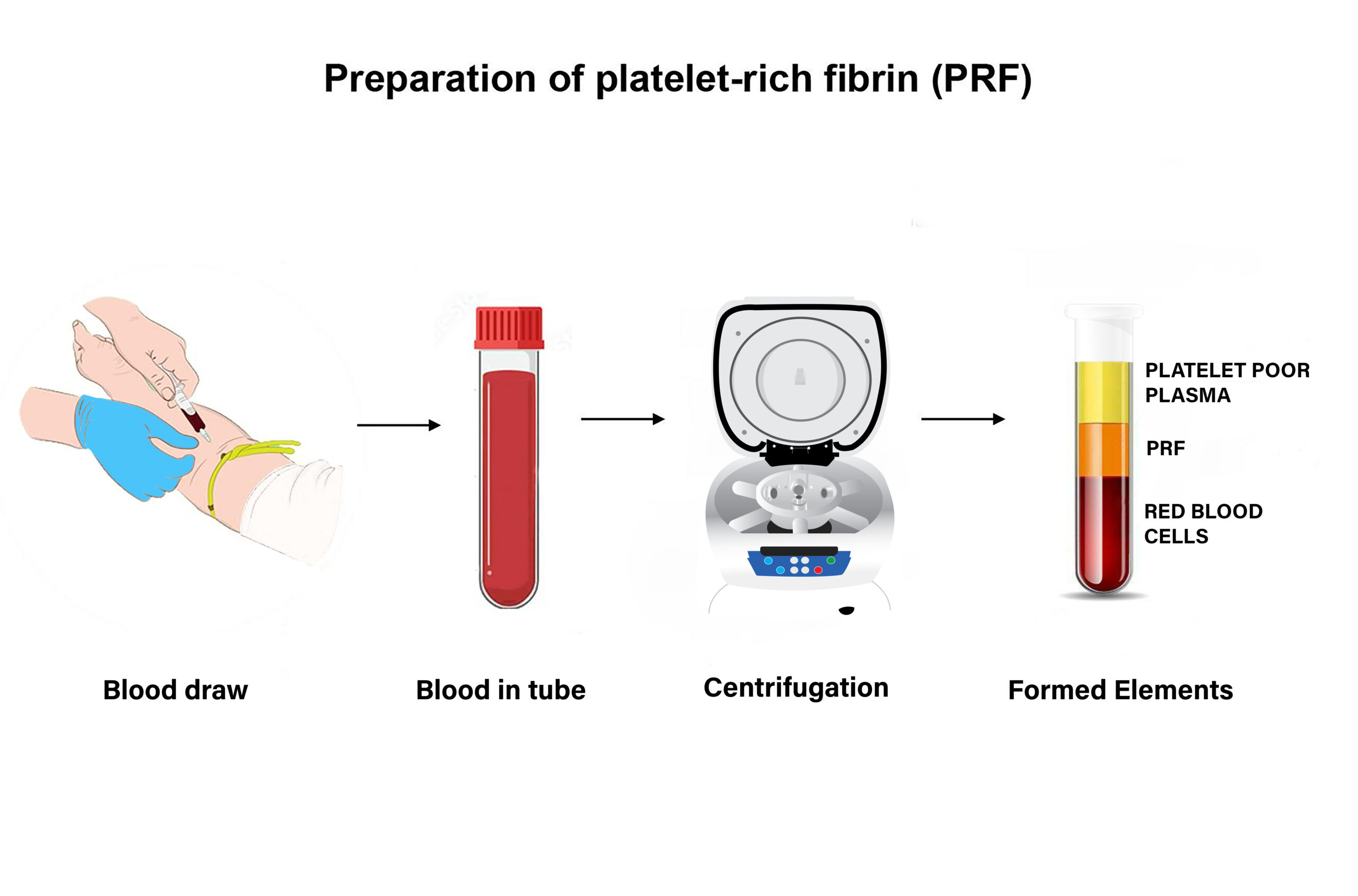
PRF (Platelet-Rich Fibrin) is an advanced form of PRP derived from your own blood. Unlike PRP, it contains a higher concentration of platelets, growth factors, and white blood cells in a fibrin matrix. This allows for slower, sustained release of healing properties, enhancing follicle regeneration and hair growth naturally.
Understanding Platelet-Rich Fibrin (PRF)
At its core, PRF is a concentrated mix of platelets, white blood cells, and stem cells trapped in a fibrin matrix. Think of fibrin as a natural “scaffold” that keeps all the good stuff in place once it’s injected into your scalp. Because it’s 100% autologous (meaning it comes from you), there are no synthetic additives involved.
How PRF Differs from PRP for Hair Loss
While both start with a simple blood draw, the magic happens in the centrifuge. Unlike PRP, which is spun at high speeds, PRF uses a low-speed centrifugation process. According to the American Academy of Dermatology, platelet-based therapies work by delivering growth factors directly to the bulb of the hair follicle. The lower speed in PRF preserves more of the delicate white blood cells and mesenchymal stem cells that often get “squashed” or lost in the traditional PRP process.
PRP vs PRF: Which is Better for Hair Loss?
The “PRP vs PRF” debate is hot in Malaysian aesthetic circles. While PRP has been the gold standard for years, PRF is quickly gaining ground for its efficiency.
Key Differences Between PRP and PRF
The Matrix: PRF forms a gel-like fibrin clot; PRP remains a liquid.
Release Speed: PRF releases growth factors slowly over 7–10 days, whereas PRP delivers a quick “burst” that fades in hours.
Additives: PRP requires anticoagulants (like citrate dextrose) to prevent clotting during the spin. PRF is totally additive-free.
Effectiveness and Results Comparison
In terms of pure “bang for your buck,” PRF often takes the lead. Because of the slow-release mechanism, your follicles are bathed in growth factors for a week rather than a few hours. A study indexed by the National Institutes of Health (NIH) suggests that the presence of a fibrin matrix can significantly enhance the regenerative environment of the scalp compared to plasma alone.
Safety, Side Effects, and Downtime
Both are incredibly safe because they use your own blood—no “frankenhair” risks here! However, because PRF doesn’t use anticoagulants, some patients find it even gentler on the scalp, with less stinging during the injection.
Benefits of PRF Hair Treatment
Why are Malaysians choosing PRF over traditional tonics or transplants? It’s all about the “natural” factor.
Natural Hair Regrowth Stimulation
PRF doesn’t just “mask” hair loss; it addresses the root cause by extending the anagen (growth) phase of the hair cycle. It’s like giving your scalp premium organic fertilizer.
Improved Hair Density and Thickness
It’s not just about more hair; it’s about better hair. PRF is known to increase the diameter of the hair shaft, making your existing mane look significantly fuller.
Minimal Downtime and Side Effects
You can literally get this done during your lunch break in Mid Valley and head back to the office. Aside from some temporary “puffiness” or a bit of tenderness, there’s no “healing” period like you’d see with a transplant.
Ideal Candidates for PRF Hair Treatment
Not everyone is a perfect match for PRF. It works best when there is still “life” left in the follicles.
Hair Loss Patterns Treated
Androgenetic Alopecia: Male and female pattern baldness.
Telogen Effluvium: Stress-related thinning (very common post-pandemic!).
Traction Alopecia: Thinning caused by tight hijabs or hairstyles.
Age and Health Considerations
Ideally, you should be in generally good health. If you are a heavy smoker or have certain blood disorders, the “quality” of your PRF might be lower. According to the Mayo Clinic, factors like platelet count and overall systemic health play a role in how well your body responds to autologous therapies.
PRF Hair Treatment Procedure
Curious about what actually happens in the clinic? It’s a pretty straightforward three-step dance.
Step-by-Step Overview
The Draw: A small amount of blood is taken from your arm (just like a standard blood test).
The Spin: The blood is placed in a specialized centrifuge for about 5–10 minutes.
The Injection: The concentrated PRF is injected into the thinning areas of your scalp using a tiny needle.
Duration and Number of Sessions
The whole process takes about 45 to 60 minutes. Most Malaysian specialists recommend a “loading phase” of 3 sessions, spaced 4–6 weeks apart, followed by maintenance every 6–12 months.
PRF Hair Treatment Before and After Results
Patience is a virtue here. You won’t wake up as Rapunzel the next day, but the changes are real.
Expected Timeline for Visible Results
Month 1: Reduced hair shedding (the “drain clog” test).
Month 3: New “baby hairs” appearing along the hairline.
Month 6: Noticeable increase in overall volume and scalp coverage.
Real Patient Case Studies in Malaysia
Many clinics in Bangsar and Mont Kiara report high satisfaction rates, particularly among women dealing with postpartum hair thinning and men in the early stages of a receding hairline.
Risks and Side Effects of PRF Hair Therapy
While it’s one of the safest treatments out there, it isn’t completely “risk-free”—though the risks are mostly just minor annoyances.
Common Side Effects
Mild Swelling: Your scalp might feel a bit “full” for 24 hours.
Tenderness: A bit of soreness at the injection sites.
Bruising: Rare, but possible at the blood draw site.
Precautions and Safety Measures
Avoid anti-inflammatory meds like Ibuprofen for a few days before and after, as they can interfere with the “good” inflammation PRF is trying to start. The World Health Organization (WHO) emphasizes the importance of sterile environments for any blood-based procedure to prevent infection.
Cost of PRF Hair Treatment in Malaysia
Let’s talk ringgits. PRF is generally a mid-range investment compared to pricey transplants.
Factors Affecting Pricing
In Malaysia, you can expect to pay anywhere from RM 1,200 to RM 2,800 per session. Prices vary based on:
The clinic’s location (KL CC vs. Subang).
The doctor’s expertise.
The technology/kits used (e.g., EZPRF).
Comparison with PRP and Hair Transplants
| Treatment | Est. Cost (Malaysia) | Recovery |
| PRP | RM 800 – RM 1,800 | 0 Days |
| PRF | RM 1,200 – RM 2,800 | 0 Days |
| Hair Transplant | RM 10,000 – RM 30,000+ | 7-14 Days |
FAQs About PRF Hair Treatment
Effectiveness and Longevity
Does it last forever? No. Think of it like a facial for your scalp. Your genetics are still at play, so you’ll need maintenance sessions to keep the results “locked in.”
Maintenance and Follow-Up
Most people find that one session every 6 to 12 months is enough to keep their hair looking thick and healthy once the initial round is complete.
Is PRF Better Than PRP for Hair Regrowth?
Yes, clinical evidence increasingly favors PRF (Platelet-Rich Fibrin). Because it is spun at a lower speed, it preserves higher concentrations of white blood cells and mesenchymal stem cells. Unlike PRP, which releases growth factors in a quick “burst,” PRF creates a fibrin scaffold that provides a slow, sustained release for up to 10 days, offering deeper follicular stimulation.
How Much Does PRF Hair Treatment Cost in Malaysia?
In 2026, the average cost for a single PRF session in Malaysia ranges from RM 1,500 to RM 3,500. Prices vary based on clinic location (e.g., Kuala Lumpur vs. Penang) and the specialist’s expertise. Most Malaysian aesthetic clinics offer “regrowth packages” for 3–4 sessions, which can reduce the per-session rate significantly.
How Many Sessions Are Needed to See Results?
Most hair restoration protocols in Malaysia recommend an initial series of 3 to 4 sessions, spaced roughly 4–6 weeks apart. You may notice reduced shedding within 3 weeks, but visible increases in hair density and thickness typically appear 3 to 6 months after starting the protocol as the hair growth cycle resets.
Are There Any Side Effects of PRF Injections?
PRF is exceptionally safe because it is 100% autologous (derived from your own blood) with zero chemical additives. Common side effects are minor and temporary, including:
Mild scalp tenderness or “fullness” for 24 hours.
Localized swelling at the injection sites.
Pin-prick bruising or a temporary headache. These usually resolve without intervention within 1–2 days.
Can I Combine PRF with Other Hair Treatments?
Absolutely. PRF is highly effective when used as a “biological booster” alongside:
Minoxidil/Finasteride: PRF repairs the “soil,” while medications protect the “plants.”
Hair Transplants: Many Malaysian surgeons use PRF during the procedure to increase graft survival rates and speed up donor area healing.
Laser Therapy (LLLT): Combining light therapy with PRF can further enhance cellular metabolism in dormant follicles.
Pro Tip: Always look for a clinic registered with the Ministry of Health Malaysia (MOH) to ensure you’re getting medical-grade treatment.