
Understanding an Oily Scalp
An oily scalp is primarily caused by hyperactive sebaceous glands that produce excessive sebum, the skin’s natural oil. While sebum is essential for protecting the scalp and hair, an overabundance creates a greasy environment. This imbalance often leads to flat hair, unpleasant odors, and scalp concerns like seborrheic dermatitis.
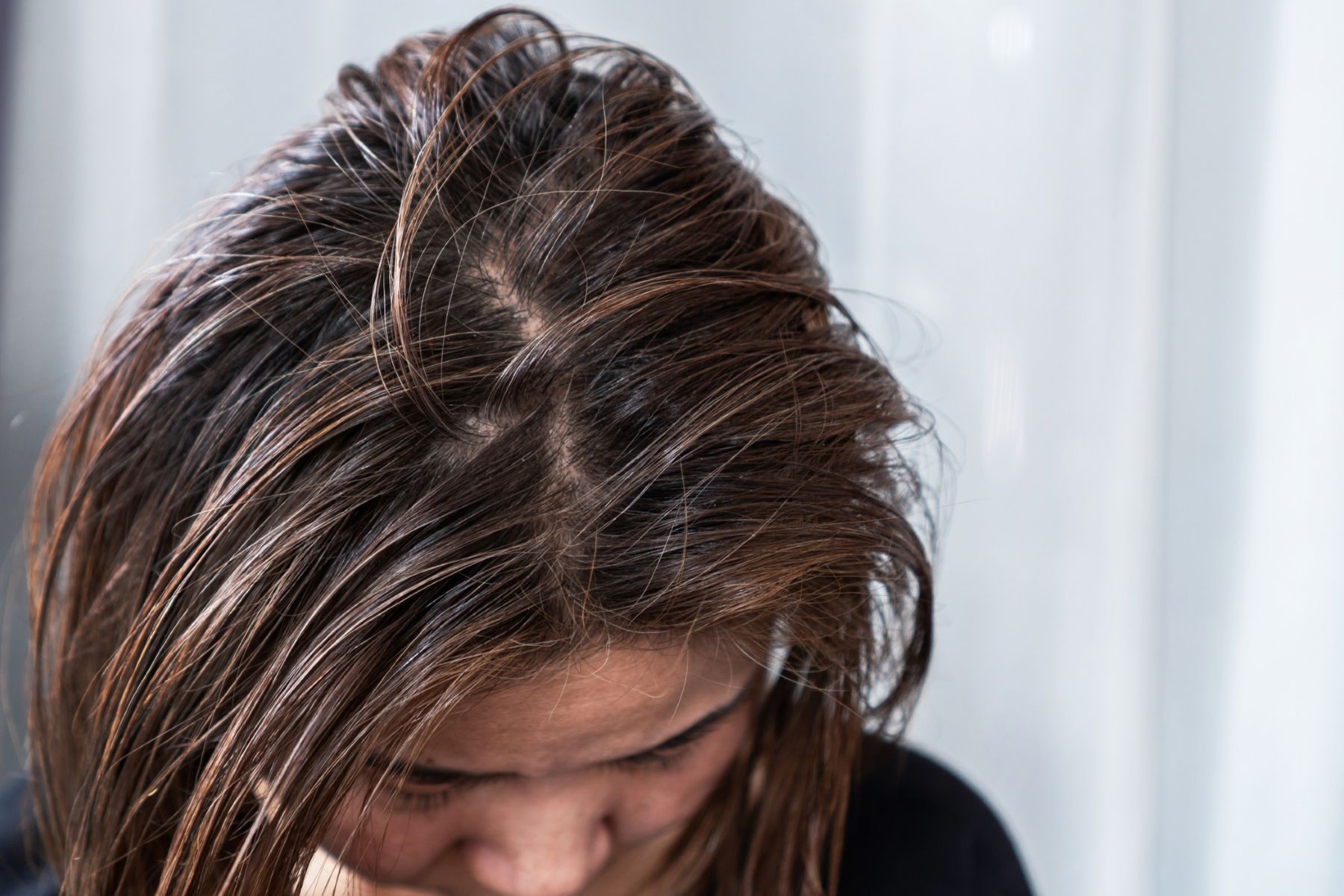
Primary Causes of an Oily Scalp
The root causes of oiliness are often internal. Biologically, your body may be hardwired to produce more oil due to various physiological triggers. Understanding these internal drivers is the first step toward finding a long-term solution for maintaining a balanced, healthy scalp ecosystem.
Excess Sebum Production
Excessive sebum occurs when the sebaceous glands go into overdrive. This natural oil is meant to lubricate the skin, but overproduction can clog hair follicles and trap dirt. According to dermatological research, men generally produce up to 60% more sebum than women due to higher androgen levels.
Hormonal Changes
Androgens, specifically testosterone and DHT, are the primary regulators of oil production. Fluctuations during puberty, pregnancy, or the menstrual cycle can trigger a spike in sebum levels. These hormonal shifts stimulate the glands to expand and produce more lipids, often resulting in a noticeably oilier scalp during these periods.
Genetic Factors
Your DNA significantly determines the size and activity of your oil glands. If your parents struggled with greasy hair, you are statistically more likely to inherit the same trait. Research suggests that 60% to 70% of oiliness tendencies are linked to genetic predispositions that dictate your scalp’s baseline oil levels.
Stress and Lifestyle
Chronic stress elevates cortisol levels, which in turn signals the sebaceous glands to produce more oil. High-stress environments can also disrupt the scalp’s pH balance. A lack of sleep or sedentary lifestyle further exacerbates this, as your body’s hormonal regulation relies heavily on a consistent circadian rhythm for skin health.
Diet and Nutrition
Diets high in refined carbohydrates and sugars increase insulin levels, which stimulates sebum production. Consuming excessive trans fats can also alter the composition of your scalp’s natural oils. Conversely, diets rich in Omega-3 and Vitamin A have been shown to help regulate gland activity and improve overall scalp clarity.
External Factors Contributing to an Oily Scalp
External triggers often aggravate an already oily scalp. In Malaysia, the environment plays a massive role in how quickly sebum accumulates and interacts with other elements, making it difficult to keep hair fresh without a specialized and targeted care routine.
Use of Heavy Hair Products
Applying heavy conditioners or silicone-based styling products near the roots can trap sebum against the scalp. Silicones like dimethicone create a film that prevents oil from distributing naturally down the hair shaft. This leads to product buildup that makes the hair appear greasy even shortly after a wash.
Over-Washing or Under-Washing Hair
Washing too frequently can strip the scalp of its protective barrier, causing a “rebound effect” where the glands produce more oil to compensate. Conversely, infrequent washing allows sebum and dead skin cells to accumulate. Finding a balance is crucial, especially when using pH-balanced shampoos designed for daily use.
Hot and Humid Climate in Malaysia
Malaysia’s average humidity of 80% prevents sweat from evaporating, causing it to mix with sebum on the scalp. This creates a thin, oily film that spreads quickly. Heat also increases the fluidity of sebum, making it move faster down the hair fiber, resulting in a “leper” or flat appearance.
Environmental Pollution
Airborne pollutants like PM2.5 and heavy metals can stick to an oily scalp, leading to oxidative stress and inflammation. Studies indicate that individuals in highly polluted urban areas may experience 40% faster oil accumulation as the scalp increases sebum production as a defense mechanism against these microscopic environmental toxins and irritants.
Frequently Asked Questions About Oily Scalp Causes
Can Hormones Alone Cause an Oily Scalp?
Yes, hormones are the most potent regulators of sebaceous activity. Androgens directly bind to receptors in the oil glands, instructing them to synthesize lipids. Even without external triggers, a hormonal imbalance or surge can be the sole reason for a chronically greasy and uncomfortable scalp environment.
Does Diet Affect Sebum Production?
Absolutely. High-glycemic foods trigger insulin spikes, which increase the activity of growth factors like IGF-1 that promote oil synthesis. Research shows that reducing sugar and dairy intake while increasing zinc and healthy fats can significantly lower sebum excretion rates over a period of several weeks.
How Quickly Can I See Improvement with Proper Care?
While individual results vary, most people notice a significant improvement in scalp comfort and oil control within 2 to 4 weeks. Consistency with a targeted routine is key. It takes time for the scalp’s microbiome to rebalance and for the sebaceous glands to adjust their production levels.