
If you’ve noticed your ponytail feeling a bit thinner or your hairbrush looking like a crime scene lately, you might be looking for a culprit. In Malaysia, where lifestyle stress and diet play huge roles in our wellbeing, many overlook a tiny, butterfly-shaped power player in the neck: the thyroid. When this gland goes rogue, your hair is often the first to send out an SOS signal. Let’s dive into why thyroid and hair loss are so closely linked and what you can do about it.
Understanding the Thyroid Gland
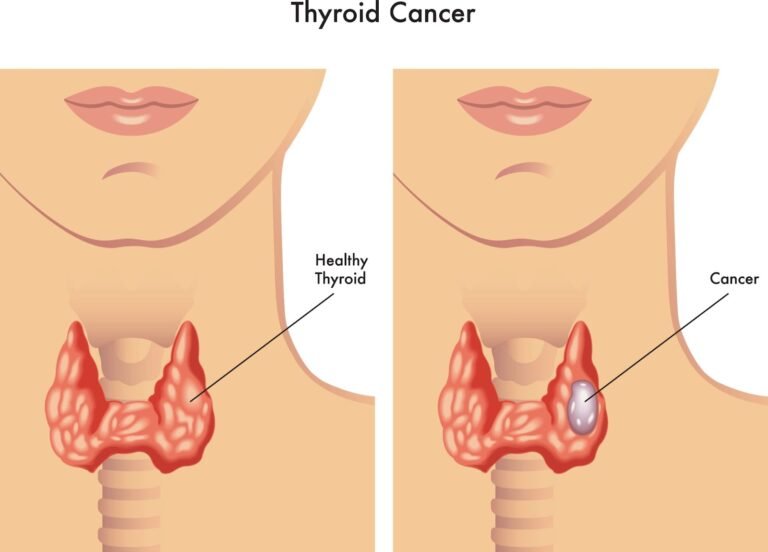
Think of your thyroid as the “engine room” of your body. It sits right at the base of your neck and dictates how every single cell uses energy.
What the Thyroid Does in the Body
The thyroid produces hormones—primarily T3 and T4—that regulate your metabolism, heart rate, and temperature. If your metabolism is the speed at which your body’s “factory” runs, the thyroid is the foreman holding the stopwatch.
How Thyroid Hormones Affect Hair Growth
Your hair follicles are tiny metabolic factories. To produce a strand of hair, the follicle needs a constant, steady supply of energy. Thyroid hormones signal the hair follicle to stay in the growth phase. If those signals get messy, the “factory” shuts down, leading to thinning or shedding.
Can Thyroid Problems Cause Hair Loss?
Yes, absolutely. Because the thyroid controls the “cycle of life” for your cells, any imbalance can throw your scalp’s natural rhythm into chaos.
How Hormonal Imbalance Disrupts the Hair Growth Cycle
Normally, hair goes through a growth phase (anagen) and a resting phase (telogen). An imbalanced thyroid can cause a large number of hairs to enter the resting phase all at once. This is known as telogen effluvium, where hair sheds prematurely and isn’t replaced by new growth fast enough.
Temporary vs Long-Term Hair Loss from Thyroid Conditions
The good news? Most thyroid-related hair loss is temporary. Once your hormone levels are stabilized with the right medical intervention, the hair cycle usually resets. However, if left untreated for years, the follicles can miniaturize, making regrowth more challenging.
Types of Thyroid Disorders Linked to Hair Loss
Not all thyroid issues are created equal. Depending on whether your gland is overactive or underactive, your hair might react differently.
Hypothyroidism and Hair Thinning
In hypothyroidism (underactive thyroid), your metabolism slows down. Hair becomes sparse, dry, and coarse. It’s like the body is trying to conserve energy, so it stops “investing” in non-essential luxuries like a full head of hair.
Hyperthyroidism and Diffuse Hair Loss
With an overactive thyroid, everything speeds up. While this sounds like it might make hair grow faster, it actually causes diffuse hair loss across the entire scalp, making the hair look very fine and thin.
Autoimmune Thyroid Disease and Hair Changes
Conditions like Hashimoto’s or Graves’ disease are autoimmune. In these cases, the body’s immune system attacks the thyroid. Sometimes, this can also trigger alopecia areata, which causes distinct, round bald patches rather than general thinning.
Signs of Thyroid-Related Hair Loss
How do you know if it’s the thyroid or just a bad hair day? Look for these specific red flags.
Hair Thinning Across the Scalp
Unlike male pattern baldness which starts at the temples or crown, thyroid-related loss is usually “diffuse.” You might notice your scalp becoming more visible everywhere, or your part line widening globally.
Dry, Brittle Hair and Hair Breakage
If your hair feels like straw or snaps easily when you tie it back, it’s a classic sign of an underactive thyroid. The lack of hormones prevents the scalp from producing enough natural oils.
Hair Loss on Eyebrows and Body
A “tell-tale” sign of hypothyroidism is the thinning or disappearance of the outer third of the eyebrows. If your brows are looking short or sparse at the ends, it’s time for a blood test.
Other Symptoms of Thyroid Disorders
Hair isn’t the only thing that changes. Your body will likely be shouting at you in other ways.
Symptoms of Hypothyroidism
Feeling cold all the time (even in Malaysia’s 32°C weather!)
Unexplained weight gain
Constant fatigue and “brain fog”
Constipation and dry skin
Symptoms of Hyperthyroidism
Rapid heartbeat or palpitations
Sudden weight loss
Anxiety, irritability, or tremors
Heat intolerance and excessive sweating
When to Seek Medical Evaluation
If you have a combination of hair thinning and any of the metabolic symptoms listed above, you should visit a GP or endocrinologist for a screening.
Diagnosing Thyroid-Related Hair Loss in Malaysia
Medical facilities in Malaysia, from Pantai Hospital to Prince Court, are well-equipped to handle thyroid diagnostics.
Thyroid Blood Tests (TSH, T3, T4)
A simple blood panel is the gold standard. Doctors look at your TSH (Thyroid Stimulating Hormone) levels. If TSH is high, your brain is screaming at your thyroid to work harder (hypothyroidism). If it’s low, your thyroid is overproducing (hyperthyroidism).
Medical Assessment for Hair Loss Causes
A doctor might also check your iron (ferritin) levels and Vitamin D, as these deficiencies often go hand-in-hand with thyroid issues and worsen hair loss.
Treatment Options for Thyroid Hair Loss
The priority is always to fix the “engine” before you worry about the “paint job.”
Treating the Underlying Thyroid Condition
For hypothyroidism, doctors usually prescribe synthetic hormones like Levothyroxine. For hyperthyroidism, you might receive anti-thyroid medications or radioactive iodine.
Hair Regrowth After Thyroid Treatment
Once the hormones are balanced, you won’t see hair sprout overnight. It usually takes several months for the follicles to wake up from their “nap” and start producing visible strands again.
Supporting Hair Recovery with Medical Hair Treatments
Sometimes the hair needs a little “jumpstart” even after the thyroid is under control. This is where modern aesthetic treatments come in.
Hair Loss Treatments That May Support Thyroid Patients
PRP Hair Treatment
Platelet-Rich Plasma (PRP) uses your own blood’s growth factors to stimulate dormant follicles. It’s a popular “bio-hacking” way to speed up recovery once your thyroid levels are stable.
Exosome Hair Therapy
This is the new frontier in Malaysia. Exosomes are tiny vesicles that carry signaling molecules to cells, telling them to repair and regenerate. It’s a powerful, non-surgical option for diffuse thinning.
Low-Level Laser Therapy (LLLT)
LLLT uses medical-grade red light to increase ATP (cellular energy) in the scalp. It’s painless and can be done at home with a laser cap or in-clinic.
How Long Does Hair Regrowth Take After Thyroid Treatment?
Hair Growth Cycle Recovery Timeline
Weeks 1–8: Hormone levels begin to stabilize; shedding may actually increase slightly as old, weak hairs are pushed out by new ones.
Months 3–6: New growth becomes visible, usually starting as fine, “baby” hairs.
Year 1: Hair density and texture should return to a more normal state.
Factors That Affect Hair Regrowth
Age, genetics, and how long the thyroid was imbalanced play a role. Stress management is also crucial, as cortisol (the stress hormone) can interfere with thyroid function.
Preventing Hair Loss with Thyroid Conditions
Nutrition and Hair Health
Focus on “hair foods.” Ensure you’re getting enough protein and healthy fats. In Malaysia, local favorites like steamed fish and spinach are great for iodine and iron. Be careful with excess iodine, though—too much can actually make some thyroid conditions worse!
Managing Hormone Levels and Stress
Yoga, meditation, or even a walk in the Lake Gardens can help keep your cortisol levels in check, which supports your endocrine system.
Regular Medical Monitoring
Thyroid conditions often fluctuate. Regular blood work every 6 to 12 months ensures your dosage stays correct and your hair stays on your head.
When to See a Doctor for Thyroid Hair Loss in Malaysia
Warning Signs That Require Medical Advice
If you notice your hair coming out in clumps rather than single strands, or if you feel a physical lump (goiter) in your neck, seek medical advice immediately.
Importance of Early Diagnosis and Treatment
The sooner you balance your hormones, the less damage is done to the hair follicles. Early intervention in Malaysia’s top clinics can prevent temporary thinning from becoming a permanent frustration.
Frequently Asked Questions About Thyroid and Hair Loss
Does Thyroid Hair Loss Grow Back?
In the vast majority of cases, yes. Once the hormonal trigger is removed, the follicles resume their normal growth cycle.
Can Thyroid Medication Stop Hair Loss?
Yes, but ironically, some people notice more shedding when they first start medication. This is usually just the body resetting its cycle and is a sign that the treatment is starting to work.
Is Thyroid Hair Loss Permanent?
Rarely. Only if the thyroid condition is associated with an autoimmune scarring alopecia or if it remains untreated for a very long period can the loss become permanent.