
If you’re considering a hair restoration boost, you’ve likely heard about the “liquid gold” prp hair treatment Malaysia. While it’s widely celebrated for being natural, it is still a medical procedure. If you’re living in Malaysia and planning to book a session, it’s important to look past the glowing before-and-after photos and understand what to expect during the recovery phase.
Understanding PRP Hair Therapy
What is PRP Hair Treatment?
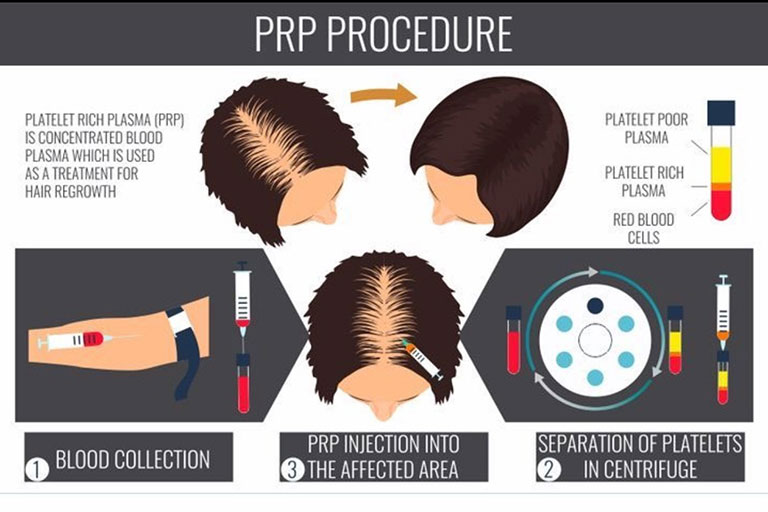
PRP stands for Platelet-Rich Plasma. The process involves drawing a small amount of your own blood, spinning it in a centrifuge to separate the nutrient-rich platelets, and injecting that concentrated plasma back into your scalp.
How PRP Works on Hair Growth
The “magic” happens because platelets are packed with growth factors. When injected into thinning areas, they help repair damaged tissues and stimulate follicles. Research on platelet-rich plasma shows that these factors extend the hair’s growth cycle (anagen phase) and improve blood supply to the roots.
Common Side Effects of PRP Hair Therapy
Scalp Pain and Discomfort
Since the treatment involves multiple micro-injections, your scalp will likely feel tender. Most patients describe it as a “tight” or “pinching” sensation. In Malaysia’s tropical heat, this can feel a bit more sensitive, but it usually fades within 24 to 48 hours.
Redness, Swelling, and Bruising
It’s perfectly normal to look a bit “flushed” post-treatment. Some swelling can occur, especially around the forehead if the injections were near the hairline. Bruising is less common but can happen at the injection sites.
Temporary Hair Shedding
Wait, isn’t it supposed to grow hair? Yes! But occasionally, the “shock” of the injections can cause a temporary “shed” called telogen effluvium. Don’t panic—this is usually a sign that the follicles are resetting for a new, stronger growth cycle.
Rare but Serious Risks
Infection and Contamination Concerns
Because PRP involves needles, there is always a baseline risk of infection. This is why the Ministry of Health Malaysia strictly regulates aesthetic clinics. Always ensure your provider uses sterile, single-use kits and operates in a clinical environment.
Allergic Reactions and Sensitivities
Since the plasma comes from your own body, an allergy to the PRP itself is impossible. However, you could be sensitive to the anticoagulant used in the centrifuge tube or the topical numbing cream applied beforehand.
Unintended Skin or Tissue Damage
In rare cases, if the needle depth is incorrect, it can cause minor scarring or injury to blood vessels or nerves. This is why the expertise of the practitioner is just as important as the technology they use.
Factors That Increase Risk in Malaysia
Pre-Existing Medical Conditions
If you have a low platelet count or chronic liver disease, the treatment might not only be ineffective but could lead to complications. The Mayo Clinic advises that patients with systemic disorders or active infections should consult their doctor before starting PRP.
Medications and Lifestyle Influences
Are you taking aspirin or blood thinners? These can significantly increase your risk of bruising. Also, lifestyle habits like heavy smoking can hinder the healing process, making side effects linger longer than they should.
Quality of Clinic and Practitioner Expertise
In Malaysia, the rise of “beauty salons” offering medical-grade treatments is a major risk factor. PRP should only be performed in a clinical setting by a qualified professional to avoid contamination or poor injection techniques.
How to Minimize Side Effects and Risks
Choosing a Certified PRP Specialist in Malaysia
Always verify that your doctor holds an LCP (Letter of Credentialing and Privileging). This ensures they have the formal training required by Malaysian authorities to handle blood products and scalp injections safely.
Pre- and Post-Treatment Care Guidelines
Pre-care: Stay hydrated and avoid anti-inflammatory meds for a week.
Post-care: Don’t wash your hair for 24 hours and avoid heavy exercise (and the direct Malaysian sun) for two days to keep swelling down.
Monitoring and Follow-Up Appointments
A good clinic will schedule a follow-up. This isn’t just to check growth, but to ensure your scalp has healed perfectly and that no signs of inflammation or infection are present.
Comparing PRP Risks with Other Hair Loss Treatments
PRP vs. Hair Transplants
A hair transplant is a surgical procedure with much higher risks, including permanent scarring and longer recovery times. PRP is non-surgical, making it a lower-risk entry point for hair restoration.
PRP vs. Topical or Oral Treatments
Oral medications like Finasteride carry systemic side effects (like hormonal changes). PRP is localized, meaning the “side effects” stay on your scalp and don’t affect your entire system.
Benefits vs. Risks Overview
| Feature | PRP Therapy | Oral Medication |
| Downtime | None | None |
| Risk Level | Low (Localized) | Moderate (Systemic) |
| Natural? | Yes (Your blood) | No (Synthetic) |
FAQs About PRP Side Effects in Malaysia
How Long Do Side Effects Last?
Most patients feel back to normal within 2 to 3 days. The “tightness” of the scalp is usually gone by the next morning.
Can Risks Be Fully Prevented?
While you can’t eliminate 100% of the risk, choosing a reputable clinic and following aftercare instructions reduces the chance of complications to almost zero.
When to Seek Medical Attention
If you experience a fever, pus at the injection site, or swelling that moves down toward your eyes, contact your clinic immediately. For general information on how different medications might interact with your treatment, you can check Drugs.com for detailed safety data.