
Ever felt like you could fry an egg on your head just a few hours after washing? In the sweltering Malaysian heat, having an oily scalp is a struggle many of us face daily. It’s not just about aesthetics; a greasy scalp can lead to flat hair, unpleasant odors, and even acne. Let’s dive into how you can manage that “minyak” and keep your hair fresh from morning till your late-night Mamak sessions.
Experience the ultimate oily scalp treatment at Dr. Hair Malaysia. Our specialists use deep-cleansing technology to regulate sebum, unclog follicles, and restore long-lasting freshness to your hair.
Understanding Oily Scalp

Before we fix it, we need to know what we’re dealing with. It’s not just “dirty hair”—it’s a biological process that actually serves a protective function, albeit an annoying one when in overdrive.
What Is an Oily Scalp?
An oily scalp results from overactive sebaceous glands producing excess sebum, often due to genetics, hormones, or improper hair care. It can lead to greasy hair, clogged follicles, dandruff, and even hair thinning. Management includes gentle cleansing, salicylic acid, ketoconazole shampoos, and avoiding heavy products.
How Sebum Production Works
Sebum is a complex mixture of lipids. According to the National Institutes of Health, sebaceous glands are found all over the body except the palms and soles, with the highest concentration on the face and scalp. These glands are regulated by hormones, specifically androgens, which explains why oiliness often peaks during hormonal shifts.
Common Signs & Symptoms
Hair looks “clumped” or stringy shortly after washing.
An itchy sensation caused by oil buildup and microbial activity.
The presence of greasy, yellowish flakes (oily dandruff).
A persistent “sour” smell, often caused by the oxidation of lipids on the skin surface.
Top Causes of Oily Scalp
Why does your scalp feel like an oil rig? It’s usually a mix of what’s happening inside your body and the environment outside.
Hormonal & Genetic Factors
If your parents had oily hair, chances are you will too. Hormonal fluctuations—especially during puberty, pregnancy, or even your monthly cycle—can trigger a surge in oil. High levels of dihydrotestosterone (DHT) are often linked to both increased oil and hair thinning.
Diet, Lifestyle & Stress
High-stress levels increase cortisol, which signals your glands to pump out more oil. Additionally, a diet high in refined sugars can spike insulin levels, further stimulating sebum production. This is often called the “gut-skin axis” connection.
Climate & Humidity in Malaysia
Our local weather is a major culprit. High humidity prevents sweat and oil from evaporating, leaving a sticky residue. Research from the American Academy of Dermatology suggests that people with oily hair may need to wash as often as once a day, especially in tropical climates where the dew point remains high.
Daily Hair Care for Oily Scalp
Managing grease starts in the shower. It’s all about finding the “Goldilocks” zone—not too little, not too much.
Best Shampoos for Oily Scalp (Malaysia Picks)
Look for clarifying shampoos containing Salicylic Acid, Zinc Pyrithione, or Selenium Sulfide. These ingredients help break down lipid bonds and clear the pores. Avoid “moisturizing” shampoos that contain heavy silicones like dimethicone, which can coat the scalp and trap oil.
Proper Washing Frequency & Techniques
In Malaysia, daily washing is usually necessary. Pro-tip: Use lukewarm water. Hot water can actually stimulate sebaceous glands to produce more oil to compensate for the heat. Focus your shampoo on the scalp only. Use your fingertips to massage the skin, which helps dislodge hardened sebum. Avoid using your nails, as scratching can cause micro-tears and infection.
Conditioner Use: What to Do (and Avoid)
Never apply conditioner to your roots! This is the #1 mistake. Apply it only from the mid-lengths to the ends to keep your tips hydrated without weighing down your scalp. If your hair is short, you might only need conditioner once or twice a week.
Effective Scalp Treatments & Home Remedies
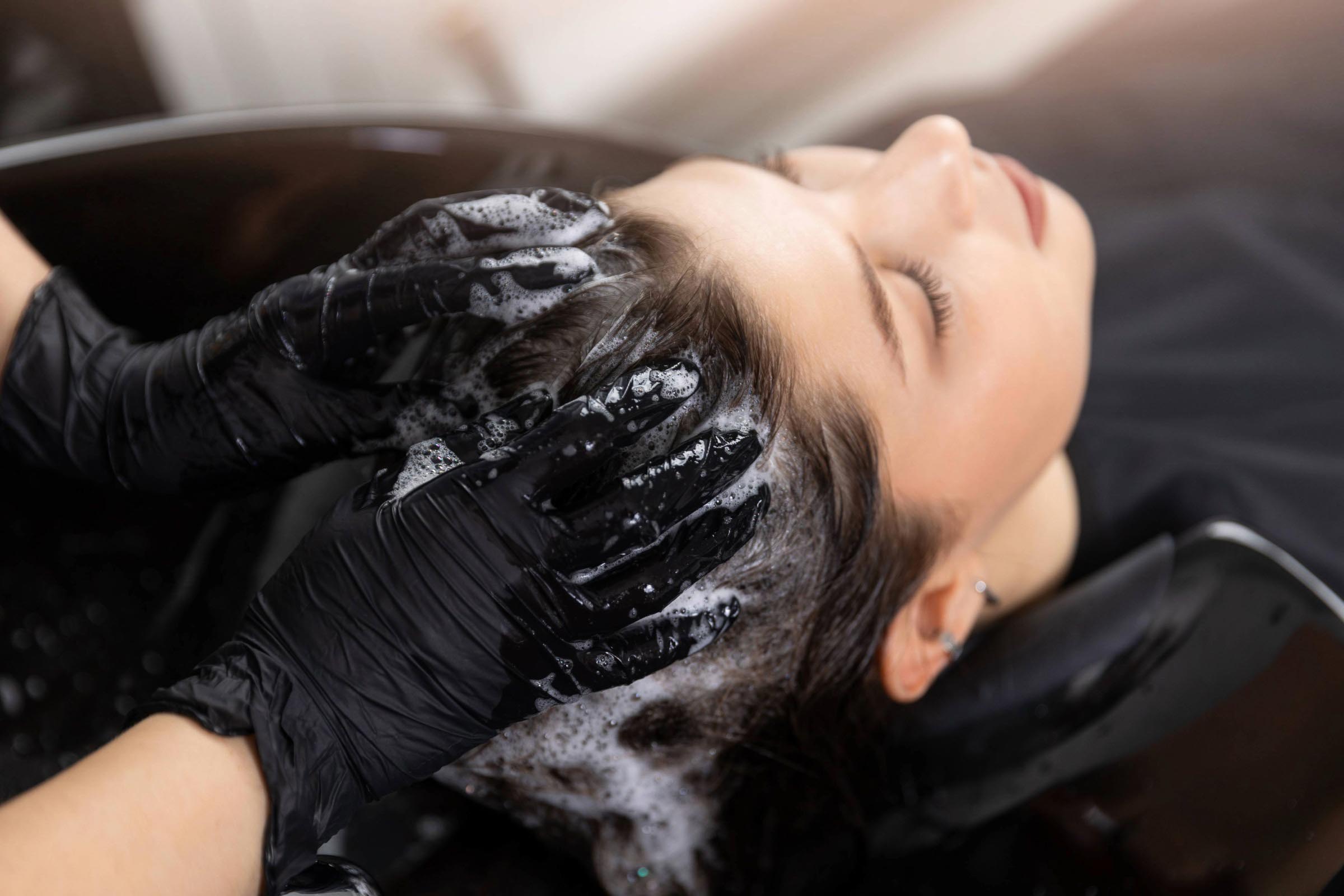
Sometimes your regular routine needs a little extra “oomph” to balance the scalp’s ecosystem.
Natural Remedies (Tea Tree Oil, Aloe Vera, etc.)
Tea Tree Oil: A natural antifungal that keeps oil-loving microbes like Malassezia in check.
Aloe Vera: Soothes irritation and removes oil without stripping the acid mantle.
Apple Cider Vinegar: A diluted rinse can help restore the scalp’s natural pH (around 5.5), making it less hospitable to bacteria.
Scalp Masks & Exfoliation Tips
Using a scalp scrub once a week is a game-changer. It removes the “biofilm” of old products and dead skin. According to Cleveland Clinic, regular exfoliation can prevent seborrheic dermatitis, a common complication where oil buildup leads to inflammation.
When to See a Dermatologist
If you notice red patches, crusty scales, or significant hair thinning, it’s time for a professional. Experience a specialized scalp treatment at Dr. Hair Malaysia, where experts use advanced tech to detoxify follicles and balance sebum for lasting freshness. Professional diagnosis can differentiate between simple oiliness and conditions like pityriasis steatoides.
Diet & Lifestyle Tips to Manage Oily Scalp
What you put into your body shows up on your head.
Foods That May Help Control Oil
Zinc-rich foods: Oysters, beans, and nuts help regulate oil glands.
Vitamin B6 & B12: Found in whole grains and poultry, these vitamins are essential for lipid metabolism.
Omega-3: Found in fatty fish, it helps reduce the systemic inflammation that triggers oil.
Hydration & Exercise Tips
Drink plenty of water! When you’re dehydrated, your body might overcompensate by producing more oil to keep the skin “moisturized.” After exercising, wash your hair immediately. If sweat dries on your scalp, it mixes with sebum to create a thick “plug” that can lead to folliculitis.
Product Recommendations (Malaysia)
Best Affordable Options
You don’t need to break the bank. Brands like Sebamed or Neutrogena T/Sal (available at Watson’s/Guardian) offer excellent medical-grade results. Look for “micellar” hair products which are great for attracting oil without harsh scrubbing.
Premium / Salon-Grade Picks
If you want to splurge, brands like Kérastase Specifique or Aveda Scalp Benefits are specifically formulated to rebalance the scalp’s microbiome using high-end botanical extracts and advanced surfactant technology.
FAQs About Oily Scalp in Malaysia
Does Weather Affect My Scalp?
Absolutely. Heat increases the fluidity of sebum, making it spread faster down the hair shaft via capillary action. Humidity prevents the scalp from “breathing,” leading to more buildup.
Can Stress Make Scalp Oily?
Yes. Stress triggers the adrenal glands, which can lead to an overproduction of oil. According to Mayo Clinic, stress can manifest physically in many ways, including skin and scalp flare-ups via the release of neuropeptides.
How Long Until I See Improvement?
With a consistent routine, you should see a reduction in oiliness within 2 to 4 weeks. Your skin cells need time to “reset” their production cycle and for the scalp barrier to repair itself.
Conclusion: Best Oily Scalp Solutions in Malaysia
Living with an oily scalp in Malaysia is a marathon, not a sprint. By combining the right clarifying products, smart washing techniques, and a healthy diet, you can finally ditch the greasy look. Remember, the goal isn’t to strip your scalp bone-dry—which only triggers more oil—but to achieve a healthy balance.