
Are You a Candidate for Exosome Hair Therapy?
Struggling with thinning? Understanding the ideal candidate for exosome hair therapy is key to restoring your crown. This regenerative treatment uses potent signaling molecules to wake up dormant follicles. In Malaysia’s tropical climate, it’s a popular non-surgical solution for those in early-stage hair loss seeking natural density.
What is Exosome Hair Therapy?
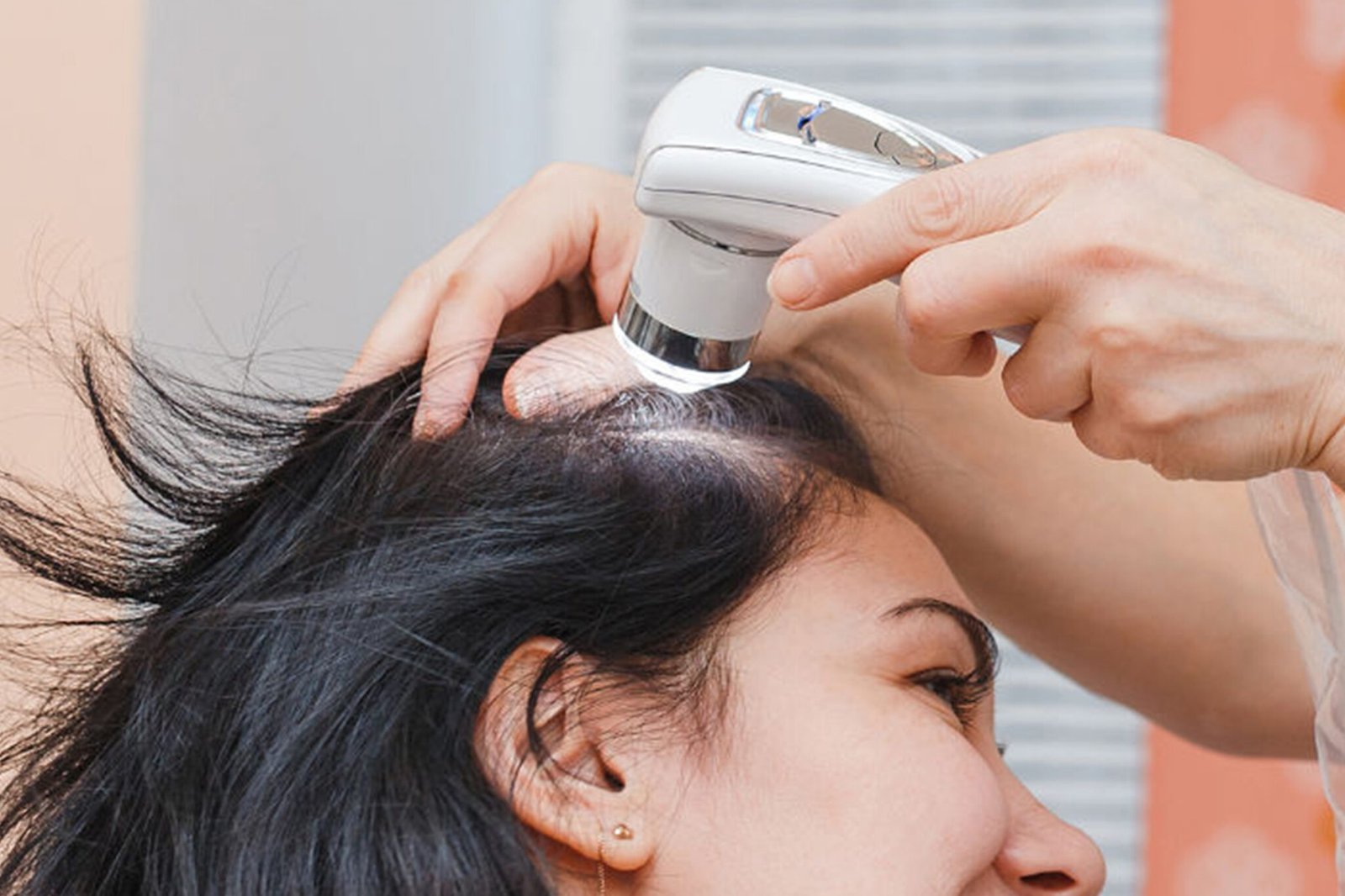
Exosome hair therapy is a cutting-edge regenerative medicine treatment utilizing extracellular vesicles derived from mesenchymal stem cells. These tiny messengers carry growth factors and signaling proteins that repair damaged hair follicles. In Malaysia, this biotech-driven approach is increasingly popular as a targeted method to combat follicular miniaturization and scalp aging.
Who is an Ideal Candidate
An ideal candidate is someone experiencing early to moderate hair density loss who still possesses active, though weakened, follicles. This therapy works best as a preventative and restorative measure. Clinical suitability often depends on the patient’s overall health and the specific pattern of hair thinning observed during a trichoscopy.
Men and Women with Hair Thinning
Both genders benefit significantly from this treatment. Women experiencing diffuse thinning or men noticing a widening part are prime candidates. According to International Society of Hair Restoration Surgery guidelines, early intervention with regenerative therapies like exosomes can effectively stabilize thinning before follicles become completely dormant or scarred over.
Early-Stage Hair Loss Patients
Those in the early stages of hair loss (Norwood Scale 1-3 for men) see the best results. Exosomes thrive when follicles are shrinking but not yet dead. This “golden window” allows the signaling molecules to effectively re-trigger the anagen (growth) phase, preventing the need for more invasive procedures later.
Individuals with Androgenetic Alopecia
Androgenetic alopecia, or male/female pattern baldness, is the most common condition treated. Exosomes help counteract the effects of DHT (dihydrotestosterone) on follicles. By delivering potent miRNA and proteins, the therapy rejuvenates follicles that have been chemically suppressed by genetic predispositions, leading to a revitalized hair cycle.
Patients Seeking Non-Surgical Hair Restoration
Exosomes offer a “lunchtime” alternative for those wary of hair transplants. There are no incisions or grafts involved. This makes it an excellent choice for busy professionals in Kuala Lumpur who desire a minimally invasive hair solution with zero downtime and no surgical risks.
Conditions Treated
Exosome therapy is versatile, addressing various scalp concerns beyond simple balding. It targets the underlying cellular communication breakdown that leads to poor hair quality, making it a comprehensive solution for diverse dermatological hair issues found in tropical climates like Malaysia.
Hair Thinning and Bald Spots
The therapy focuses on increasing the “diameter” of each hair strand. It fills in patchy areas where hair has become wispy. By enhancing the microenvironment of the scalp, exosomes encourage dormant follicles to produce thicker, more robust hair, effectively camouflaging visible bald spots over several sessions.
Receding Hairline
While difficult to treat, a receding hairline can be stabilized with exosomes. The treatment strengthens the frontal hair belt by boosting local vascularization. This provides the necessary nutrients to the hairline, slowing the recession process and improving the aesthetic appearance of the forehead area for many patients.
Scalp Scarring and Damage
Exosomes possess unique anti-inflammatory properties that help repair scalp tissue damage. Whether from chemical burns or environmental stressors, these vesicles promote dermal papilla cell proliferation. This healing capability creates a healthier “soil” for hair to grow, even in previously compromised or stressed scalp regions.
Benefits for Eligible Candidates
Eligible patients enjoy a range of physiological and aesthetic advantages. Unlike traditional topical treatments that require daily application, exosome therapy offers a more profound, cellular-level change that works with the body’s natural healing mechanisms to produce long-lasting, visible improvements.
Stimulates Hair Growth Naturally
Exosomes act as a bio-signal to “wake up” sleeping follicles. They stimulate the natural production of keratin and collagen without synthetic chemicals. This natural hair stimulation ensures that the new growth is biologically identical to your existing hair, resulting in a seamless and authentic-looking transition to a fuller head of hair.
Improves Hair Density and Thickness
Candidates often report a significant increase in hair volume. The therapy transitions hair from the vellus (fine) stage back to the terminal (thick) stage. This improvement in hair shaft diameter provides better scalp coverage and a denser feel, which is particularly noticeable during daily styling and grooming.
Minimally Invasive with Quick Recovery
The procedure involves simple micro-injections into the scalp. Most patients return to work immediately after their session. There is no scarring, no bandages, and minimal discomfort. This efficiency makes it one of the most convenient hair restoration options currently available in the modern aesthetic medicine market.
Who Should Avoid Therapy
While safe, exosome therapy isn’t for everyone. Certain medical conditions can interfere with the treatment’s efficacy or cause adverse reactions. A thorough medical screening is essential to ensure patient safety and to manage expectations regarding the final results of the regenerative process.
Severe Scalp Infections
Active bacterial, fungal, or viral infections on the scalp are absolute contraindications. The inflammatory response from an infection can neutralize the growth factors in exosomes. Patients must clear any scalp issues, such as severe seborrheic dermatitis or folliculitis, before proceeding with exosome injections to ensure optimal results.
Autoimmune Hair Loss Conditions
Conditions like Alopecia Areata, where the immune system attacks follicles, may not respond predictably to exosomes. In these cases, the underlying immune response often overrides the regenerative signals. Patients with autoimmune concerns should consult a dermatologist to discuss specialized immunomodulatory treatments alongside or instead of exosome therapy.
Pregnant or Nursing Individuals
As a matter of clinical precaution, exosome therapy is generally avoided during pregnancy or breastfeeding. While exosomes are natural, there is insufficient long-term data on their impact during these periods. Most Malaysian clinics follow the standard medical ethics of delaying elective regenerative procedures until after the nursing phase is complete.
Exosome Hair Therapy in Malaysia
Malaysia is a regional hub for aesthetic excellence, with many clinics in the Klang Valley offering advanced exosome protocols. These clinics often combine exosomes with other modalities to maximize patient outcomes, adhering to the high standards set by the Malaysian Medical Council (MMC).
Leading Clinics Offering Therapy
Top-tier aesthetic clinics in Kuala Lumpur and Penang now feature exosome treatments using high-purity, lab-certified vesicles. These facilities utilize state-of-the-art storage and injection techniques. When choosing a clinic, ensure they use registered medical-grade exosomes and are staffed by licensed medical doctors specializing in aesthetic dermatology.
Cost of Treatment
In Malaysia, exosome hair therapy typically ranges from RM 2,500 to RM 5,000 per session. Prices vary based on the concentration of exosomes (billions of vesicles) and the clinic’s location. Most patients require a protocol of 3 to 5 sessions to achieve the most dramatic and sustainable density improvements.
How to Book a Consultation
Most clinics offer digital bookings via WhatsApp or their official websites. A consultation usually involves a digital scalp analysis to measure hair density and follicle health. This step is vital to confirm if you are a viable candidate and to tailor a treatment plan specific to your hair loss pattern.
Frequently Asked Questions
Is Exosome Hair Therapy Painful?
The procedure is generally well-tolerated. Clinics often use a topical numbing cream or local anesthesia to minimize the sensation of the micro-injections. Most patients describe the feeling as a light tingling or pressure. Post-treatment soreness is rare and usually subsides within a few hours.
How Long Before Hair Growth is Visible?
Patience is key, as hair grows in cycles. Most candidates begin to see improved hair texture and reduced shedding within 2 to 3 months. Significant changes in density and new hair growth are typically most visible 6 months after the initial treatment as the follicles complete their growth cycle.
Are the Results Permanent?
While exosomes provide long-lasting rejuvenation, they do not stop the natural aging process or genetic predispositions indefinitely. Results can last for 12 to 24 months. Periodic maintenance sessions, usually once a year, are recommended to sustain the density and keep follicles in a constant state of growth.