
Hair Fall vs. Hair Loss: Why Anti Hair Fall Care Matters
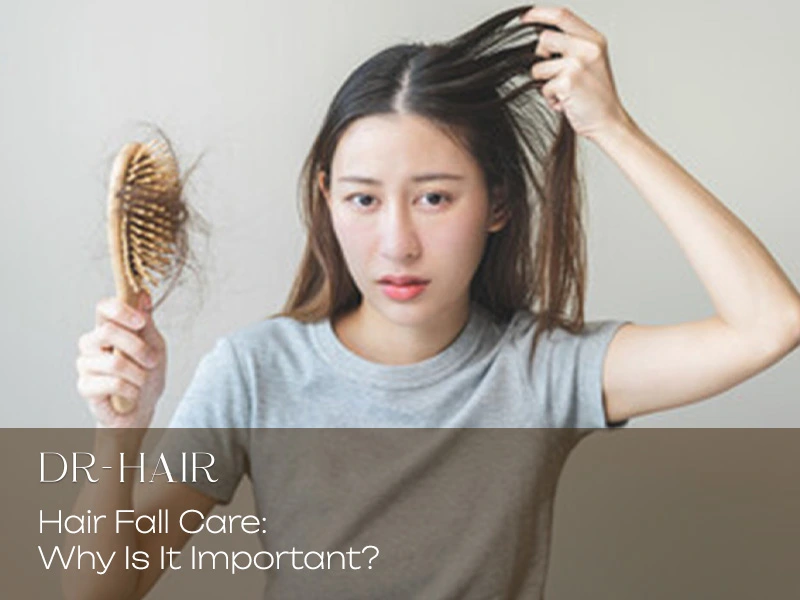
Anti Hair Fall Care is Essential Hair is more than just a crown we never take off — it’s a reflection of our health, lifestyle, and confidence. Yet, many people struggle with strands of hair showing up on their pillows, in the shower, or stuck in their hairbrush. The terms “hair fall” and “hair loss” are often used interchangeably, but did you know they’re actually different? Understanding the difference is crucial when choosing the right hair care and treatment options. Let’s explore how hair fall and hair loss differ, why it matters, and how anti-hair fall care can make a difference — both for your scalp and your wallet. What’s the Difference Between Hair Fall and Hair Loss? At first glance, it may seem like a simple case of semantics, but hair fall and hair loss are distinct conditions. Hair Fall Hair fall refers to the natural shedding of hair. It’s a part of the normal hair growth cycle. On average, losing 50 to 100 strands per day is considered normal. This shedding can increase temporarily due to: Stress Seasonal changes Poor diet Hormonal shifts Use of harsh hair products Hair fall is usually temporary and reversible once the underlying cause is addressed. Hair Loss Hair loss, on the other hand, is a broader term that refers to permanent or progressive thinning or baldness. This can be caused by: Genetic conditions (like androgenetic alopecia) Autoimmune diseases (like alopecia areata) Certain medications or treatments (like chemotherapy) Chronic health conditions Scalp infections Hair loss often requires medical intervention and long-term treatment — sometimes even surgical solutions. Why Anti-Hair Fall Care Matters Many people ignore early signs of increased hair fall, assuming it’s normal or unavoidable. However, early care can prevent temporary hair fall from escalating into long-term hair loss. That’s where anti-hair fall treatments and products come in. 1. Prevention is More Affordable Than Cure Preventive hair care, such as using anti-hair fall shampoos, serums, and natural treatments, can be significantly cheaper than the cost of treating advanced hair loss. Once hair loss becomes severe, treatments like PRP (Platelet-Rich Plasma), laser therapy, or hair transplants can cost hundreds to thousands of dollars. A proper anti-hair fall routine could save you thousands in the long run. 2. Promotes Scalp Health Many anti-hair fall products are formulated to strengthen roots, improve blood circulation, and nourish the scalp. A healthy scalp provides a strong foundation for robust hair growth. 3. Addresses Root Causes Some anti-hair fall care systems include DHT blockers, vitamins, and essential oils to tackle hormonal imbalances, oxidative stress, or inflammation — all common causes of hair fall. 4. Boosts Confidence Nothing zaps confidence quite like noticing a thinner ponytail or a widening hair part. Regular care helps maintain volume and shine, which plays a huge role in self-esteem and appearance. Choosing the Right Anti-Hair Fall Products Not all products are created equal. Here are some key ingredients to look for: Biotin – Strengthens hair and improves texture Caffeine – Stimulates hair follicles Niacinamide (Vitamin B3) – Improves blood circulation Saw Palmetto – Natural DHT blocker Amla and Bhringraj – Ayurvedic herbs for scalp nourishment Tip: Always read reviews and consult with a dermatologist if you’re unsure which product is best for your hair type or concern. When to See a Doctor While some hair fall is normal, here are signs that it’s time to seek professional help: Sudden, patchy hair loss Excessive shedding lasting over 3 months Itching, redness, or bumps on the scalp Family history of baldness Thinning hairline or bald spots Dermatologists can perform scalp analyses, blood tests, and recommend personalized treatments to manage or reverse hair loss. Frequently Asked Questions (FAQs) 1. Can I completely stop hair fall? You can’t stop hair fall entirely — some shedding is natural. However, you can reduce excessive fall by identifying and treating causes like stress, poor nutrition, or harsh products. 2. Are anti-hair fall shampoos really effective? They can be effective if used consistently and chosen according to your hair type. They work best when paired with a healthy lifestyle and other supportive treatments. 3. How long does it take to see results from anti-hair fall care? Results usually take 4 to 8 weeks depending on the severity of your condition and consistency in using the products. Hair growth is a slow process — patience is key. 4. Is hair fall more common during certain seasons? Yes. Many people notice more hair fall in autumn and spring, a phenomenon linked to the hair’s natural growth cycle. This is typically temporary. 5. Can diet really affect hair fall? Absolutely. Hair is made of protein (keratin), and your diet impacts the strength and health of your hair. Lack of iron, zinc, biotin, and protein can increase hair fall. Final Thoughts While the line between hair fall and hair loss can feel thin, the implications are not. Understanding the difference can help you take timely action and choose the right care. An anti-hair fall routine isn’t just about preserving strands — it’s about investing in long-term scalp health and confidence. Whether you’re noticing a few more hairs in the shower or feeling anxious about thinning spots, don’t ignore the signs. Prevention is not only more effective — it’s far more affordable.
Itchy Scalp, Thinning Hair? Why Treating Dandruff Matters for Hair Growth
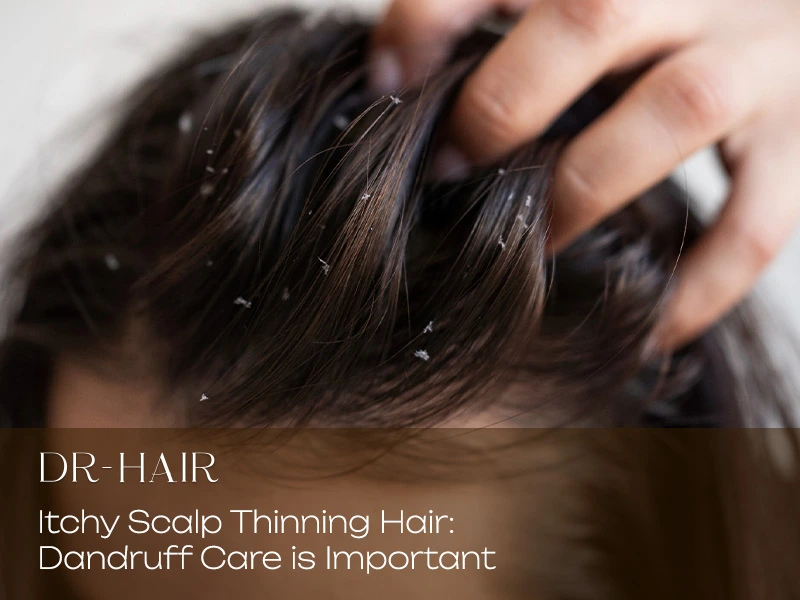
Treat Itchy Scalp Thinning Hair If you’ve been dealing with itchy scalp thinning hair, you’re not alone. Many people experience this frustrating combo without realizing that one may be causing the other. That relentless itch, those annoying flakes, and the gradual decrease in hair volume could all be part of the same underlying issue: dandruff. While dandruff is often brushed off as a minor inconvenience, it can wreak havoc on scalp health, ultimately impacting your hair’s growth cycle. If you’ve noticed signs of itchy scalp thinning hair, it’s time to look closer at what’s happening beneath the surface—and why treating dandruff could be the missing step in your hair care routine. What Causes Itchy Scalp Thinning Hair? The relationship between itchy scalp thinning hair is more than coincidental. Your scalp is the foundation of hair growth, and when it’s compromised—whether by dryness, inflammation, or irritation—your hair often suffers too. Common causes of itchy scalp thinning hair include: Seborrheic dermatitis: A severe form of dandruff that causes red, itchy, flaky skin. Fungal overgrowth (Malassezia): Yeast imbalances can cause inflammation and shedding. Dry scalp: Can lead to flaking, itching, and reduced hair vitality. Clogged hair follicles: From product buildup or oil, preventing proper hair growth. Stress or hormonal changes: Both can trigger scalp inflammation and hair thinning. The result? A scalp that’s constantly irritated and unable to support healthy, consistent hair growth. How Dandruff Impacts Hair Growth When you’re facing itchy scalp thinning hair, dandruff is a common, often overlooked root cause. Here’s how it plays a role: 1. Chronic Inflammation Dandruff can cause low-grade inflammation of the scalp. Over time, this inflammation damages the hair follicles, leading to premature shedding and reduced hair density. 2. Excessive Scratching An itchy scalp often leads to scratching—which physically weakens the hair at the root. Repeated scratching damages both the scalp surface and the follicles beneath it, accelerating thinning hair. 3. Blocked Follicles Flakes, excess oil, and residue from hair products can block follicles. A clogged follicle can’t support a healthy hair strand, which contributes directly to itchy scalp thinning hair. 4. Poor Scalp Environment A healthy scalp maintains a delicate balance of oil, pH, and microbes. Dandruff disrupts this balance, making the scalp less hospitable for new hair to grow. Why Treating Dandruff Can Improve Hair Growth Treating dandruff isn’t just about eliminating flakes. For anyone dealing with itchy scalp thinning hair, it’s a vital first step toward long-term hair health. Here’s why it matters: Removes buildup and flakes: Clears the path for healthy hair to grow. Soothes irritation: Reduces inflammation, allowing follicles to heal. Supports follicle function: Healthy follicles produce thicker, stronger hair. Improves circulation: Clean, clear scalp tissue receives nutrients more effectively. If you’re tired of dealing with itchy scalp thinning hair, targeting dandruff directly may be the game-changer you’ve been looking for. Best Treatments for Itchy Scalp Thinning Hair Whether you prefer natural remedies or dermatologist-recommended products, here are proven ways to treat itchy scalp thinning hair caused by dandruff: 1. Use a Medicated Anti-Dandruff Shampoo Look for active ingredients like: Ketoconazole (antifungal) Zinc pyrithione (antimicrobial + anti-inflammatory) Salicylic acid (exfoliates dead skin and buildup) Coal tar (slows skin cell turnover) Use these shampoos 2–3 times a week to reduce flakes and restore scalp balance. 2. Hydrating and Soothing Scalp Treatments Apply lightweight serums or oils that include: Tea tree oil (natural antifungal and soothing) Niacinamide (improves skin barrier and reduces inflammation) Aloe vera (cools and hydrates irritated skin) These ingredients target the itch while supporting long-term scalp health, essential for anyone managing itchy scalp thinning hair. 3. Gentle Scalp Exfoliation Use a scalp scrub once a week to remove buildup and unclog follicles. This encourages circulation and helps with hair regrowth in areas affected by flaking. 4. Diet and Hydration A diet rich in omega-3 fatty acids, zinc, biotin, and antioxidants will support scalp and follicle health from the inside out. 5. Reduce Heat and Chemical Stress Avoid over-styling and heat tools while your scalp heals. This minimizes additional irritation for those struggling with itchy scalp thinning hair. When to See a Specialist If your symptoms are severe, or if your itchy scalp thinning hair continues despite home treatments, it might be time to consult a dermatologist. You may be dealing with psoriasis, eczema, or another condition that requires prescription treatment. Frequently Asked Questions 1. Can dandruff really cause itchy scalp thinning hair? Yes. Dandruff can irritate the scalp, causing inflammation and blockage of hair follicles—leading to increased shedding and reduced hair growth. 2. How soon can I see hair regrowth after treating dandruff? Results vary, but many people notice less shedding within 3–4 weeks and visible regrowth after 2–3 months of consistent care. 3. What are the best products for itchy scalp thinning hair? Look for medicated shampoos with antifungal agents, soothing scalp serums, and lightweight oils that target irritation and follicle health. 4. Can I use natural remedies to treat itchy scalp thinning hair? Absolutely. Tea tree oil, aloe vera, and apple cider vinegar can reduce flakes and calm irritation. However, persistent dandruff may require medicated solutions. 5. Should I avoid washing my hair too often if I have an itchy scalp? No—regular washing (every 2–3 days) helps remove buildup and maintain a healthy scalp environment. Just be sure to use gentle, non-drying products. Final Thoughts: Scalp First, Hair Second When it comes to itchy scalp thinning hair, it’s easy to focus on the hair you’re losing rather than the scalp it’s growing from. But healthy hair always begins with a healthy scalp. Dandruff is more than a cosmetic issue—it’s a warning sign. Addressing it early can prevent further thinning, reduce irritation, and create the ideal conditions for your hair to thrive. Don’t ignore the itch. Treat the cause, not just the symptoms—and give your scalp (and your hair) the care it truly needs.
Kelemumur: Punca Utama, Gejala & Cara Rawatan yang Berkesan
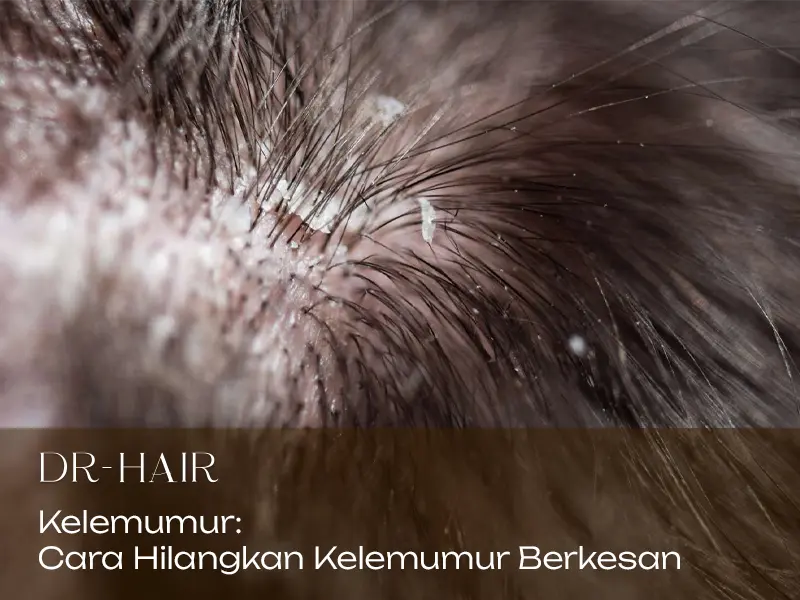
Pernah tak tengah syok pakai baju hitam, tiba-tiba perasan ada “salji” putih atas bahu? Memang potong stim! Kelemumur bukan sekadar isu kebersihan, tapi ia boleh menjejaskan keyakinan diri kita bila berdepan dengan orang ramai. Jom kita bedah habis-habisan pasal masalah rambut yang paling popular di Malaysia ni. Apa Itu Kelemumur? Kelemumur adalah pengelupasan kulit mati berlebihan pada kulit kepala, sering disebabkan oleh kulat Malassezia, kulit berminyak, atau dermatitis seborrheik. Gejala termasuk gatal dan serpihan putih. Rawatan efektif menggunakan shampoo anti kelemumur mengandungi zinc pyrithione, ketoconazole, atau asid salisilik untuk kawalan berkesan. Secara ringkasnya, kelemumur adalah keadaan di mana sel kulit mati pada kulit kepala luruh dengan kadar yang lebih pantas daripada biasa. Menariknya, sel kulit kita biasanya mengambil masa 30 hari untuk luruh, tetapi bagi mereka yang ada masalah ini, proses tersebut boleh berlaku dalam masa 2 hingga 7 hari sahaja. Maksud Kelemumur & Bagaimana Ia Terjadi Kulit kita sentiasa memperbaharui sel-selnya. Namun, bagi pengidap kelemumur, kitaran ini menjadi sangat laju. Sel-sel mati ini berkumpul dan membentuk serpihan yang kita nampak pada rambut atau bahu. Menurut Mayo Clinic, kelemumur dianggap sebagai bentuk ringan bagi seborrheic dermatitis. Info Ekstra: Tahukah anda? Secara purata, sel kulit kepala normal mengambil masa 28 hari untuk luruh, tetapi bagi mereka yang mempunyai kelemumur, proses ini hanya mengambil masa 2 hingga 7 hari sahaja. Perbezaan Kelemumur Kering vs Berminyak Kelemumur Kering: Serpihan kecil, putih, dan mudah jatuh. Biasanya berpunca daripada cuaca sejuk atau kurang kelembapan (termasuk kerap berada dalam bilik ber-AC). Kelemumur Berminyak: Serpihan lebih besar, berwarna kekuningan, dan melekat pada rambut. Ini berlaku apabila sebum bertindak balas dengan kulat, mewujudkan lapisan “berkerak” yang rimas. Punca Utama Kelemumur di Malaysia Malaysia yang panas dan lembap sepanjang tahun memang “syurga” untuk masalah kulit kepala akibat faktor persekitaran yang ekstrem. Kulat Malassezia Ini adalah suspek utama! Kulat mikro-organisma ini hidup secara semula jadi di kulit kepala. Masalah timbul bila ia membiak terlalu banyak dan memakan minyak pada kulit kepala, lalu menghasilkan asid oleik yang menyebabkan iritasi pada lapisan dermis. Kulit Kepala Berminyak Minyak berlebihan atau hyperseborrhea bukan sahaja buat rambut nampak lepek, tapi ia menjadi sumber makanan utama untuk kulat Malassezia membiak secara drastik. Kulit Kepala Kering Kadang-kadang, penggunaan syampu yang mempunyai kandungan sulfat (SLS) yang terlalu kuat atau kerap mandi air panas boleh menyebabkan kulit kepala hilang natural moisturizing factor (NMF), lalu mengelupas. Cuaca Panas & Kelembapan Tinggi Iklim Malaysia yang lembap menyebabkan kita kerap berpeluh. Peluh yang terperangkap di bawah hijab atau topi mewujudkan ekosistem yang gelap dan lembap—suasana sempurna untuk pembiakan mikrob. Alergi Produk Rambut Kadang-kadang kulit kepala kita tak “ngam” dengan bahan kimia seperti paraphenylenediamine (PPD) dalam pewarna rambut atau fragrance berlebihan. Keadaan ini dikenali sebagai contact dermatitis. Tekanan & Ketidakseimbangan Hormon Stres meningkatkan hormon kortisol, yang seterusnya boleh memicu pengeluaran minyak berlebihan. Ini menjelaskan kenapa kelemumur selalunya makin teruk bila kita “busy” atau kurang tidur. Tanda & Gejala Kelemumur Serpihan Putih atau Kuning Ini tanda paling jelas. Biasanya ia dikesan pada permukaan rambut atau jatuh ke atas pakaian, terutamanya jika anda memakai fabrik berwarna gelap. Kulit Kepala Gatal & Merah Rasa gatal yang menyengat sering kali membuatkan kita nak menggaru tanpa henti. Tahukah anda? Menggaru secara berlebihan boleh merosakkan pelindung kulit (skin barrier), memudahkan bakteria masuk. Kelemumur Teruk & Berulang Jika serpihan nampak berkerak dan kulit kepala sangat merah, anda mungkin mengalami masalah yang lebih serius. National Psoriasis Foundation menyatakan bahawa psoriasis sering disalahertikan sebagai kelemumur biasa walaupun ia melibatkan sistem imun yang menyerang sel kulit sendiri. Cara Menghilangkan Kelemumur di Rumah Rutin Penjagaan Rambut yang Betul Basuh rambut secara konsisten. Teknik paling penting adalah mengurut kulit kepala dengan hujung jari (bukan kuku) untuk melonggarkan sel kulit mati tanpa mencederakan kulit. Syampu Anti-Kelemumur Cari syampu yang mengandungi bahan aktif. Tip pro: Jangan terus bilas! Pastikan anda biarkan syampu di kulit kepala selama 3-5 minit supaya bahan aktif sempat melakukan kerja-kerja “pembersihan” mikrob. Rawatan Semula Jadi yang Popular di Malaysia Banyak petua turun-temurun yang boleh dicuba seperti lumuran santan untuk kelembapan, atau penggunaan perahan limau nipis. Namun, hati-hati kerana asid sitrik yang terlalu pekat boleh menyebabkan pedih jika kulit kepala ada luka halus. Produk Terbaik untuk Masalah Kelemumur Syampu Anti-Kulat Gunakan produk yang mengandungi Ketoconazole atau Selenium Sulfide. Bahan ini bertindak dengan cara memperlahankan penghasilan sel kulit baru sekaligus membunuh kulat. Tonik & Serum Kulit Kepala Selepas cuci, gunakan tonik yang mengandungi Salicylic Acid (BHA). Ia bertindak sebagai exfoliant kimia untuk mencairkan sebum dan membuang sel kulit mati yang degil di dalam liang pori rambut. Bahan Aktif Berkesan untuk Kelemumur Pastikan label produk anda ada bahan-bahan ini: Zinc Pyrithione: Antifungal yang paling lazim ditemui. Coal Tar: Berkesan untuk kes yang melibatkan kegatalan melampau. Tea Tree Oil: Menurut data dari Cleveland Clinic, minyak pati ini mempunyai sifat antimikrob dan anti-radang semula jadi yang sangat efektif. Rawatan Kelemumur di Klinik & Pakar Kulit Malaysia Diagnosis Kulit Kepala Pakar dermatologi akan menggunakan trichoscope untuk melihat keadaan folikel rambut. Kadang-kadang, apa yang kita sangka kelemumur sebenarnya adalah jangkitan kulat Tinea Capitis. Rawatan Preskripsi & Perubatan Doktor mungkin akan membekalkan syampu gred perubatan berkekuatan tinggi (seperti Ketoconazole 2%) atau losyen steroid cair untuk meredakan keradangan yang kronik. Anggaran Kos Rawatan di Malaysia Kos konsultasi pakar kulit swasta biasanya bermula dari RM80 hingga RM200. Untuk bajet lebih rendah, anda boleh mendapatkan rujukan ke klinik pakar di hospital kerajaan dengan bayaran minima RM5-RM30 sahaja. Cara Mencegah Kelemumur Daripada Berulang Amalan Kebersihan Kulit Kepala Jangan kongsi sikat atau tuala. Bagi wanita berhijab, pastikan anak tudung (inner) ditukar setiap hari dan rambut benar-benar kering sebelum memakai tudung untuk mengelakkan kelembapan terperangkap. Pemilihan Produk Rambut Sesuai Gunakan produk pH-balanced. Kulit kepala kita sedikit berasid (sekitar pH 5.5). Menggunakan sabun badan yang beralkali tinggi pada kepala adalah “pantang” besar yang boleh merosakkan ekosistem kulit kepala. Pemakanan & Gaya Hidup Sihat Ambil makanan tinggi Zink, Vitamin B, dan Omega-3. WebMD menyarankan diet seimbang kerana kekurangan nutrisi tertentu boleh menyebabkan kulit menjadi terlalu kering atau berminyak. Soalan Lazim Adakah Kelemumur Berjangkit? Tidak. Kelemumur tidak boleh berpindah dari seorang individu ke individu lain melalui sentuhan atau perkongsian bantal. Ia adalah masalah dermatologi peribadi. Bolehkah Kelemumur
Exosomes vs PRP for Hair Loss: Effectiveness & Benefits
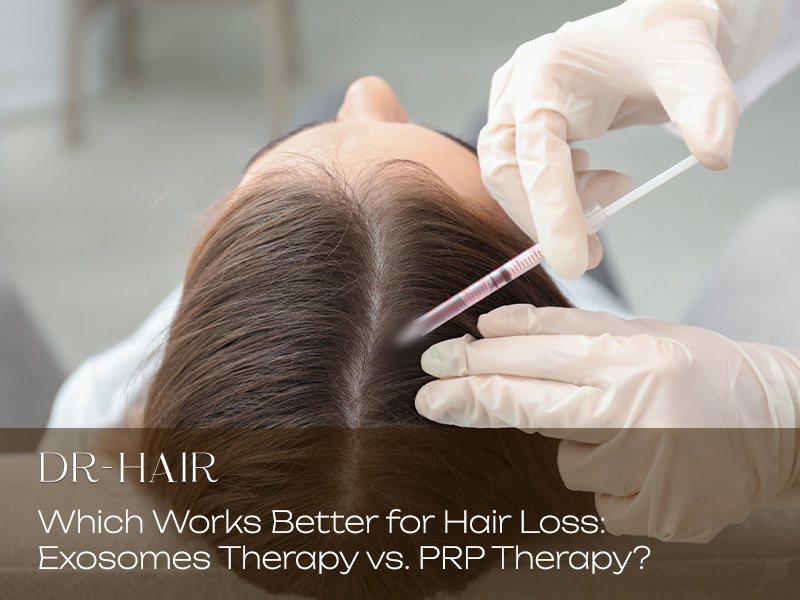
Exosomes vs PRP for Hair Loss: Which Is More Effective? So, you’re looking in the mirror and noticing a bit more “scalp real estate” than you’d like. In the world of Malaysian aesthetics, two heavy hitters dominate the conversation: PRP (Platelet-Rich Plasma) and the new kid on the block, Exosomes. While PRP hair treatment has been the go-to “vampire” scalp treatment for years, Exosomes vs PRP is now the primary debate in 2026. Is it better to use your own blood, or is it time to upgrade to lab-purified signaling vesicles? Let’s break down the science, the costs in RM, and what actually works for your hair. Understanding Exosomes and PRP Both treatments fall under regenerative medicine, but they operate on completely different biological wavelengths. What Are Exosomes and How They Work Exosomes are nano-sized “messenger bubbles” (extracellular vesicles) secreted by mesenchymal stem cells. They don’t contain cells themselves; instead, they are packed with over 1,000 growth factors, signaling proteins, and miRNA. When injected into the scalp, they “reprogram” dormant follicles to re-enter the growth phase. What Is PRP Therapy and Its Mechanism PRP is autologous, meaning it comes from your own body. A doctor draws your blood, spins it in a centrifuge to concentrate the platelets, and injects that “liquid gold” back into your scalp. These platelets release growth factors that help repair damaged tissues and improve blood flow to the hair bulbs. Key Differences Between Exosomes Hair Therapy and PRP Feature PRP (Platelet-Rich Plasma) Exosome Therapy Source Your own blood (Autologous) Lab-derived Stem Cells (Allogeneic) Potency Dependent on your health/age Highly concentrated & consistent Preparation Requires blood draw & spinning Ready-to-use vial Growth Factors ~10-20 types 1,000+ types Effectiveness Comparison for Hair Loss When it comes to raw power, the data is starting to lean heavily in one direction. Clinical Studies and Research Findings Recent research in the Journal of Investigative Dermatology suggests that exosomes can be significantly more potent than PRP. Because PRP relies on the quality of your own blood, factors like stress, poor diet, or aging can make your “PRP” less effective. Exosomes, being lab-purified, provide a standardized high-potency dose every time. Hair Density, Thickness, and Regrowth Results PRP: Excellent for maintaining existing hair and slowing down shedding. It usually requires 5–6 sessions to see a visible change in density. Exosomes: Better at “waking up” follicles that have been dormant for a while. Many patients in Malaysia report seeing early “baby hairs” and increased shaft thickness within just 2 sessions. Success Rates in Malaysian Patients In local KL clinics, the success rate for PRP in early-stage thinning is around 60-70%. Exosome therapy is showing a 75-85% satisfaction rate, especially for those who didn’t respond well to traditional treatments like Minoxidil or PRP. Benefits of Exosomes vs PRP Regeneration and Follicle Stimulation Exosomes act like a biological “software update” for your scalp. They directly stimulate the Wnt/β-catenin pathway, which is the primary switch for hair follicle regeneration. PRP acts more like “fertilizer”—it provides the nutrients, but doesn’t necessarily rewrite the instructions for a failing follicle. Treatment Duration and Recovery PRP: 45–60 minutes (includes blood draw and processing). Exosomes: 15–30 minutes (no blood draw required). Both have minimal downtime—you might have a slightly “bumpy” or red scalp for 24 hours. Long-Term Results Because exosomes trigger deeper cellular reprogramming, the results often last longer (12–18 months) compared to PRP, which usually requires maintenance every 4–6 months to keep the growth factors active. Treatment Availability in Malaysia Clinics Offering Exosomes and PRP Most top-tier aesthetic hubs in Bangsar, Mont Kiara, and Penang offer both. Brands like ASCE+ and ExoCoBio are the common exosome standards used by LCP-certified Malaysian doctors. Cost Comparison and Packages PRP Cost: RM 1,500 – RM 3,000 per session. (Usually sold in 5-session deals). Exosome Cost: RM 2,500 – RM 4,500 per session. (Often requires only 2-3 sessions). The Verdict: While exosomes are pricier per session, the total cost for a full result can be comparable because you need fewer appointments. Safety Standards and Regulations In Malaysia, the National Pharmaceutical Regulatory Agency (NPRA) monitors the registration of cell-signaling products. Always ensure your clinic uses NPRA-registered exosome vials to avoid “black market” products that lack purity. Risks, Side Effects, and Precautions Common Side Effects for Each Therapy Both are very safe. You might see: PRP: Swelling, bruising, or a mild headache. Exosomes: Redness, mild itching, or temporary scalp tenderness. Who Should Avoid Treatment PRP: Avoid if you have platelet disorders, active scalp infections, or severe anemia. Exosomes: Avoid if you have active scalp cancer or are currently pregnant. Combining Therapies for Optimal Results The “Gold Standard” in 2026 is often a hybrid approach. Some doctors use PRP to “prime” the scalp with blood flow and follow up with Exosomes to provide the regenerative signals. How to Choose the Right Treatment Factors to Consider Before Choosing Age: If you’re over 45, your own PRP may be less potent; Exosomes might be a better choice. Stage of Loss: PRP is great for early thinning; Exosomes are better for visible scalp patches. Budget: If cost is the main hurdle, start with PRP. Patient Testimonials and Reviews Many Malaysian patients on platforms like Erufu Care highlight that while Exosomes were a bigger upfront investment, the lack of a “needle draw” and the speed of results made it the preferred choice. Questions to Ask Your Specialist “Is the exosome brand you use NPRA-approved?” “Based on my scalp analysis, is my hair loss too advanced for PRP?” “What is the concentration (billion count) of exosomes in this treatment?”
How to Prevent Hair Loss Naturally: 10 Effective Tips
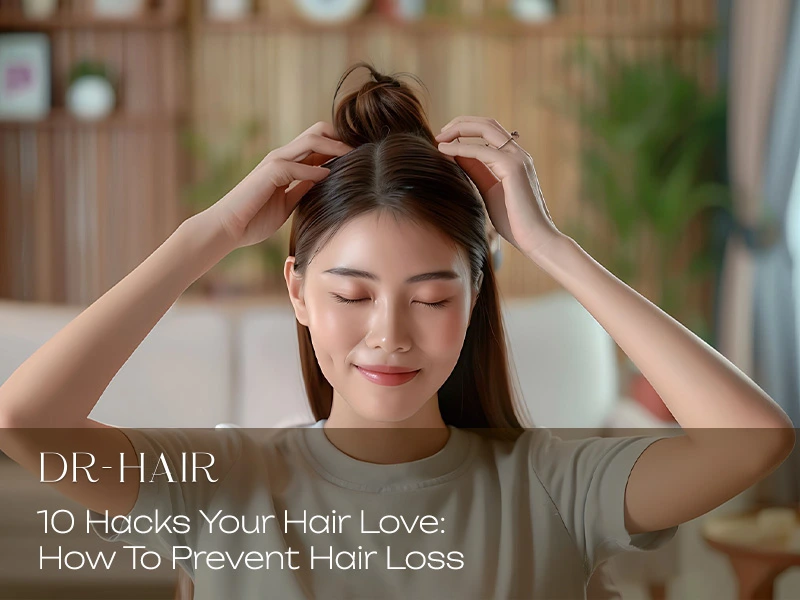
Tips to Prevent Hair Loss Naturally Noticing more hair in your brush or on your pillow lately? You’re not alone—and while it can be a little unnerving, it doesn’t always mean you’re heading for baldness. Hair loss can be triggered by everything from stress and poor nutrition to tight hairstyles and harsh hair products. The good news? You can take control. If you’ve been searching for how to prevent hair loss naturally, there are effective strategies that don’t require harsh chemicals or expensive treatments. Let’s explore 10 simple, natural ways to keep your hair healthy, strong, and growing. 1. Eat a Nutrient-Rich Diet Learning how to prevent hair loss starts with what you eat. A nutrient-deficient diet is one of the most common and overlooked causes of thinning hair. To support healthy hair growth, make sure you’re getting enough: Protein-rich foods like eggs, beans, and lean meats Iron-rich greens like spinach and kale Omega-3 fatty acids from fish, walnuts, or flaxseeds Biotin and zinc, found in nuts, whole grains, and avocados These nutrients help strengthen hair from the root and reduce breakage and fallout over time. 2. Avoid Excessive Heat and Styling Overusing hot tools like straighteners, curling irons, and blow dryers can damage your hair shaft, making it prone to breakage and fallout. Likewise, tight hairstyles such as braids or high ponytails pull on the scalp and contribute to hair thinning. How to prevent hair loss caused by styling? Air-dry your hair when possible, use heat protectants, and choose loose hairstyles that reduce scalp tension. 3. Massage Your Scalp Regularly One of the simplest natural techniques for preventing hair loss is regular scalp massage. It helps stimulate blood flow to hair follicles, promoting healthier growth and reducing hair fall. Tip: Massage with your fingertips for 5 minutes daily, or add nourishing oils like coconut, castor, or rosemary for extra benefits. 4. Use Natural Oils If you’re serious about how to prevent hair loss naturally, oils should be part of your hair care routine. They nourish the scalp, reduce breakage, and create a healthy environment for growth. Top oils include: Coconut oil: Deep conditioning and anti-fungal properties Castor oil: Encourages circulation and strengthens hair roots Rosemary oil: Scientifically shown to boost hair density Use as a weekly scalp treatment or add a few drops to your daily routine. 5. Reduce Stress High stress levels are closely linked to hair loss, especially conditions like telogen effluvium. If you’re looking into how to prevent hair loss, managing stress should be high on your list. Ways to lower stress naturally: Practice yoga or meditation Exercise regularly Get enough sleep (7–9 hours a night) Try journaling or mindfulness activities 6. Avoid Harsh Chemicals Many commercial hair products contain ingredients like sulfates, parabens, and alcohol that strip your scalp of natural oils, weakening your hair over time. Prevent hair loss naturally by switching to gentle, sulfate-free shampoos with soothing ingredients like aloe vera, tea tree oil, or chamomile. 7. Stay Hydrated Dry hair is more prone to breakage—and a dehydrated scalp can’t support healthy follicles. Staying hydrated is a foundational part of how to prevent hair loss that many overlook. Goal: Drink at least 8 glasses of water a day to support overall hair and scalp health. 8. Don’t Overwash Your Hair Washing too often can remove natural oils, while infrequent washing can cause buildup and clogged follicles. The key is balance. Best practice: Wash your hair 2–3 times a week, depending on your hair type. Use lukewarm water and gentle cleansers to avoid over-drying. 9. Protect Hair from Sun and Pollution UV rays and environmental pollutants can damage hair structure, dry out the scalp, and accelerate hair loss. To protect your hair: Wear hats or scarves outside Use leave-in conditioners with UV filters Rinse your hair after exposure to smoke or heavy pollution 10. Try Herbal Remedies If you’re looking into how to prevent hair loss naturally, don’t overlook herbal solutions. Certain herbs and plants have been used for centuries to strengthen hair and promote growth. Popular options include: Saw Palmetto: Believed to block DHT, a hormone linked to hair loss Amla (Indian Gooseberry): Rich in antioxidants and vitamin C Hibiscus: Often used in oils to stimulate hair follicles Always consult your doctor before adding new supplements to your routine. Frequently Asked Questions (FAQs) 1. Can hair loss be reversed naturally? Yes, in many cases. If the cause is stress, poor diet, or temporary hormonal shifts, adopting natural methods can help reverse hair loss and encourage regrowth. 2. How long does it take to see results with natural remedies? It typically takes 3 to 6 months of consistent care to notice visible improvements. Patience and persistence are key. 3. Is hair loss always permanent? Not always. Temporary hair loss is reversible, especially when you address the root cause early. However, genetic conditions may require additional treatments. 4. Does washing hair every day cause hair loss? Frequent washing with harsh products can dry out your scalp and cause breakage, but washing with gentle, nourishing formulas won’t directly lead to hair loss. 5. What vitamins help prevent hair loss? Essential vitamins for strong, healthy hair include: Biotin (B7) Vitamin D Vitamin E Iron Zinc Consider getting tested for deficiencies and supplementing if needed. Final Thoughts If you’ve been wondering how to prevent hair loss naturally, the answer lies in everyday habits. From nourishing your body with the right foods to using gentle products and reducing stress, there are plenty of natural ways to protect your hair and scalp. While results may take time, consistency and care can make a significant difference. If your hair loss continues or worsens, consider speaking with a dermatologist. Natural methods are a great foundation—but professional support can help you explore deeper causes and more targeted solutions.
How Often Should You Treat Hair Loss? A Pro Explains
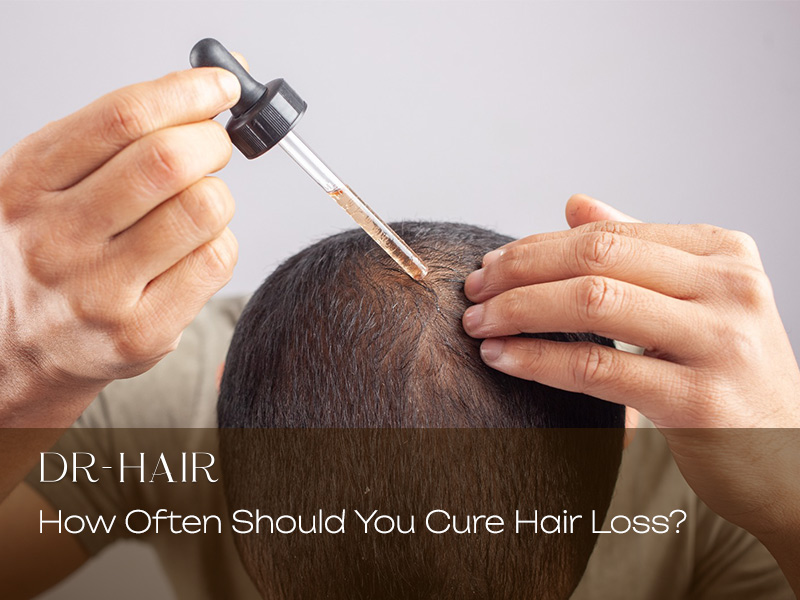
Cure Hair Loss fHair loss is a deeply personal and sometimes emotional journey. Whether you’re noticing more strands in the shower or a thinning crown in photos, it’s natural to wonder: How often should I be treating this? The truth is, there isn’t a one-size-fits-all schedule. Frequency of treatment depends on the cause of your hair loss, the type of treatment you’re using, and how your body responds. In this post, we’ll explore how often you should treat hair loss—based on expert insight—and what consistency really looks like when you’re trying to cure hair loss or at least significantly slow it down. Understanding Hair Loss: Causes First, Cure Second Before you begin any treatment, it’s essential to understand why you’re experiencing hair loss. Common causes include: Genetic (Androgenetic Alopecia): The most common type, often hereditary. Hormonal Changes: Like those during pregnancy, menopause, or thyroid issues. Stress and Lifestyle: High stress, poor diet, and lack of sleep can contribute. Medical Conditions: Autoimmune diseases (like alopecia areata) or side effects of medications. Hair Care Habits: Over-styling, tight hairstyles, or chemical damage. Once the cause is diagnosed—ideally with the help of a dermatologist or trichologist—treatment can begin, and frequency becomes clearer. How Often Should You Treat Hair Loss? Let’s break down frequency by treatment type. 1. Topical Treatments (Minoxidil/Rogaine) Frequency: Daily (Once or twice) How It Works: Stimulates hair follicles and improves blood flow. Best For: Early stages of thinning and androgenetic alopecia. Timeline to Expect Results: 3-6 months minimum You’ll need to apply minoxidil consistently—usually twice a day for men and once for women. Skipping applications can lead to regression, so consistency is key. 2. Oral Medications (Finasteride or Dutasteride) Frequency: Daily How It Works: Blocks DHT, the hormone responsible for shrinking hair follicles. Best For: Men with male pattern baldness. Timeline to Expect Results: 3-6 months Once prescribed, oral medications are taken once per day. Long-term use is often required, and stopping can reverse progress. 3. PRP Therapy (Platelet-Rich Plasma) Frequency: Every 4-6 weeks (for first 3-4 sessions), then maintenance every 3-6 months How It Works: Uses your blood’s platelets to stimulate growth. Best For: Early to moderate hair thinning, postpartum hair loss, or boosting other treatments. Timeline to Expect Results: 3-4 months after initial sessions This is one of the more promising treatments if you’re looking to cure hair loss naturally, though results vary and multiple sessions are necessary. 4. Hair Transplants Frequency: One-time procedure (with potential for follow-up) How It Works: Hair follicles are moved from one area to another. Best For: Advanced hair loss with minimal regrowth potential Timeline to Expect Results: 6-12 months Hair transplants are a more permanent solution. However, post-op maintenance with other therapies (like minoxidil or PRP) is often recommended to protect existing hair. 5. Laser Therapy (LLLT) Frequency: 3-4 times a week How It Works: Low-level lasers stimulate follicle activity. Best For: Early-stage hair loss, postpartum shedding Timeline to Expect Results: 4-6 months Consistency is essential. Many patients combine LLLT with topical or oral treatments for maximum benefit. Combining Treatments: A Smart Strategy Many professionals recommend combination therapy—using two or more treatments together. For example: Minoxidil + Finasteride PRP + Topicals LLLT + Supplements This multi-pronged approach improves the chance of success and can even help cure hair loss over time by addressing different root causes. However, the frequency of each must still be respected. How Long Should You Keep Treating Hair Loss? Hair loss treatment is often a long-term commitment. Even if you see results, stopping your routine too soon can undo progress. Most experts advise continuing treatment indefinitely if you want to maintain results—especially with conditions like genetic baldness. Think of it like skincare: once you stop moisturizing or using sunscreen, the issues often return. Your hair is the same—it needs ongoing support. Signs It’s Time to Adjust Frequency You might need to change your treatment frequency if: You’re experiencing scalp irritation or side effects. Your hair loss has stabilized or significantly improved. You’ve started a new treatment or supplement. Your doctor suggests tapering down or alternating therapies. Always consult with your provider before making changes, especially with medications. FAQs About How to Cure Hair Loss 1. Can you really cure hair loss permanently?It depends on the cause. Genetic hair loss (like male or female pattern baldness) can be managed and slowed significantly, but “curing” it typically involves surgical intervention like a hair transplant. However, autoimmune or stress-induced hair loss can sometimes be reversed completely. 2. How soon should I see results from treatments?Most treatments take 3 to 6 months to show visible results. Some people may see shedding before regrowth, which is normal as new hair pushes old strands out. 3. What happens if I stop using my treatment?If you stop, hair loss often returns—sometimes worse. This is especially true with minoxidil or finasteride, where discontinuation usually causes you to lose the regrown hair within months. 4. Are natural remedies effective for curing hair loss?Some natural approaches—like rosemary oil, pumpkin seed oil, or saw palmetto—show promise but usually offer mild results. They’re best used as supportive treatments, not standalone cures. 5. How do I know if a treatment is working?Track progress with photos every 4 weeks, note reduced shedding, and watch for regrowth around the temples or crown. Patience and consistency are key. Conclusion Trying to cure hair loss isn’t a one-time fix—it’s an ongoing process that requires a tailored plan and commitment. Whether you’re using daily topicals or undergoing monthly PRP sessions, staying consistent and realistic about your timeline is essential. Consulting with a hair restoration professional can help you create the right frequency and combination for your needs. And remember: the earlier you start, the better the outcome.
Hair Loss in Men: Causes, Best Treatments & Hair Regrowth Tips in Malaysia
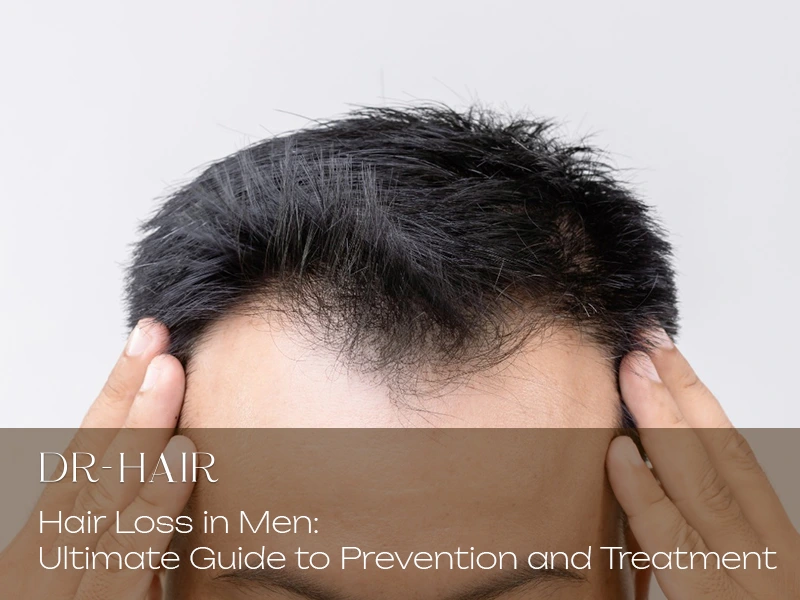
Hair Loss In Men Hair loss is a common issue that many men face as they age, and in Malaysia, the hot and humid climate can further exacerbate the condition. Whether it’s due to genetics, stress, diet, or other factors, hair loss can significantly impact self-esteem and confidence. In this blog, we will discuss effective tips and solutions to handle hair loss as a man in Malaysia. Understanding Hair Loss in Men Before we dive into the solutions, it’s important to understand the causes of hair loss. There are various reasons why men experience hair thinning or baldness. These include: Genetic Factors (Male Pattern Baldness): This is the most common cause of hair loss, often referred to as androgenetic alopecia. It’s hereditary and can start as early as the late teens to early 20s. Stress and Lifestyle: Stress can trigger hair shedding, and unhealthy habits like poor diet, lack of sleep, and smoking can contribute to hair thinning. Nutritional Deficiencies: A lack of essential vitamins and minerals, such as iron, zinc, biotin, and vitamin D, can lead to hair loss. Hormonal Changes: Hormonal imbalances, such as those caused by thyroid issues or androgen levels, can contribute to hair thinning. Understanding the root cause of your hair loss is crucial to choosing the most effective treatment or solution. Tips for Managing Hair Loss in Men Maintain a Healthy Diet: Eating a balanced diet is essential for healthy hair growth. Ensure your diet includes plenty of proteins, fruits, vegetables, and healthy fats. Foods rich in vitamins and minerals, like biotin, zinc, and iron, are particularly beneficial for hair health. Incorporate nuts, seeds, leafy greens, eggs, and fish into your meals. Reduce Stress Levels: Chronic stress can have a significant impact on your overall health, including hair growth. Try engaging in stress-relieving activities such as exercise, meditation, yoga, or hobbies that bring you joy. Regular physical activity can also improve blood circulation, which promotes healthy hair follicles. Be Gentle with Your Hair: Avoid harsh treatments like excessive heat styling, chemical hair treatments, or tight hairstyles that can damage hair follicles. Use gentle, sulfate-free shampoos, and avoid over-washing your hair. When towel-drying, be careful not to tug or pull too hard on the hair. Avoid Smoking and Limit Alcohol Consumption: Smoking reduces blood flow to the scalp, which can hinder hair growth. Alcohol can also dehydrate the body, leading to dry and brittle hair. Avoiding smoking and limiting alcohol intake can help maintain a healthier scalp. Consider Medications: There are a few medications available that can help slow down or reverse the process of male-pattern baldness. The two most common medications are: Minoxidil (Rogaine): Minoxidil is an over-the-counter topical treatment that stimulates hair follicles, improving hair regrowth. It is applied directly to the scalp and is commonly used for early-stage hair loss. Finasteride (Propecia): Finasteride is an oral prescription medication that works by reducing DHT levels, the hormone responsible for shrinking hair follicles. This medication is often effective in preventing further hair loss and promoting regrowth. Hair Transplant Surgery: For more severe cases of hair loss, a hair transplant may be an option. In this procedure, hair follicles from areas of the scalp with healthy hair are transplanted to areas that are thinning or bald. Hair transplants are a permanent solution to hair loss but can be expensive and may require multiple sessions. Solutions for Hair Loss in Malaysia In Malaysia, men dealing with hair loss have access to various solutions that can help slow or reverse hair thinning. Below are some of the top options: 1. Hair Growth Clinics There are numerous hair growth clinics in Malaysia that offer treatments for hair loss. Many of these clinics provide services like hair transplant surgeries, PRP (Platelet-Rich Plasma) therapy, and laser treatments. Look for reputable clinics with certified professionals and positive reviews from clients. 2. Natural Remedies Some men prefer natural treatments to chemical products. Certain herbs and oils, such as ginseng, ginger, and peppermint oil, are believed to improve hair growth. However, while natural remedies may have some benefits, they are generally less effective than medical treatments like minoxidil or finasteride. 3. Hair Loss Supplements There are several supplements available in Malaysia that are designed to promote hair growth. These typically contain vitamins, minerals, and amino acids like biotin, zinc, and collagen, which support healthy hair. Frequently Asked Questions (FAQs) 1. What causes hair loss in men? Hair loss in men is commonly caused by genetic factors (male-pattern baldness), hormonal imbalances (high DHT levels), stress, poor diet, and certain health conditions or medications. 2. Can hair loss in men be reversed? While male-pattern baldness is generally permanent, early intervention with medications like minoxidil and finasteride, or hair restoration treatments like PRP hair therapy or hair transplants, can help slow or reverse the process in some cases. 3. Are there any natural remedies for hair loss? Natural remedies, such as essential oils (rosemary, peppermint), aloe vera, and biotin supplements, may promote scalp health and hair growth. However, their effectiveness can vary from person to person. 4. Is hair transplant surgery effective for male-pattern baldness? Yes, hair transplants are an effective solution for severe hair loss. The procedure involves transplanting hair follicles from areas with healthy hair to balding areas, and the results are permanent. Conclusion Hair loss in men can be distressing, but with the right understanding and treatment options, it is possible to manage or even reverse the condition. Whether through lifestyle changes, medications, or advanced hair restoration procedures, there are several effective solutions available in Malaysia. If you’re concerned about your hair loss, it’s always best to consult with a professional who can guide you toward the best solution for your needs.
Check Your Hair Care: Chemicals Trigger Hair Loss
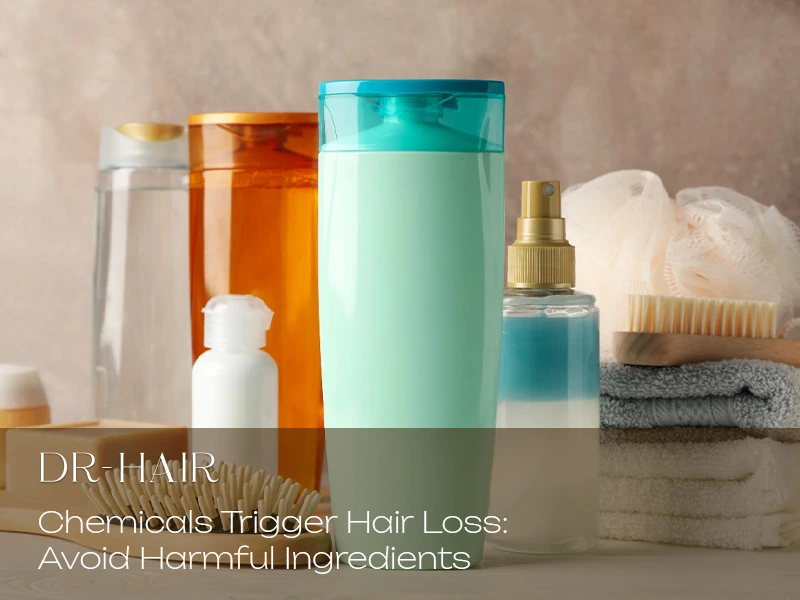
Chemicals Trigger Hair Loss Hair loss is a common concern for many people, affecting both men and women across different age groups. While genetics, hormones, and aging contribute significantly to hair loss, the growing concern about how chemicals trigger hair loss is becoming more apparent. From hair dyes to various hair care products, chemicals can significantly contribute to hair thinning, breakage, and, in some cases, even complete hair loss. We will explore how chemicals trigger hair loss, the treatments available, and answers five frequently asked questions about chemical-induced hair loss. How Chemicals Trigger Hair Loss Hair loss caused by chemicals occurs when specific products damage the hair follicles or scalp, leading to hair thinning or shedding. Chemicals trigger hair loss in various ways, and understanding these causes can help you take the necessary precautions. Below are some key ways chemicals can affect your hair: Hair Dyes and Coloring ProductsHair dyes are one of the most common causes of chemical-related hair loss. These dyes often contain ammonia, peroxide, and other harsh chemicals that can weaken hair strands and cause irritation to the scalp. Repeated use of hair dye can cause hair breakage and thinning. Additionally, some people may develop an allergic reaction to these chemicals, which can trigger inflammation and hair loss. Shampoos and Conditioners with Harsh IngredientsMany shampoos and conditioners contain sulfates, parabens, and artificial fragrances. While these ingredients help cleanse and preserve the product, they can strip the hair of natural oils and moisture, making it dry, brittle, and more susceptible to breakage. Over time, this damage contributes to hair thinning, and chemicals trigger hair loss by causing scalp irritation. Hair Styling ProductsHair sprays, gels, and mousses often contain alcohol, which can dehydrate both the hair and the scalp. This dehydration leads to scalp dryness and irritation, weakening hair follicles and potentially causing hair loss. Heavy use of styling products can also build up on the scalp, clogging hair follicles and contributing to hair thinning. Over time, chemicals trigger hair loss, especially when used excessively. Chemical Straighteners and PermsChemical treatments like hair straighteners and perms work by altering the natural structure of the hair. These treatments break the disulfide bonds in the hair, leading to hair fragility. Prolonged use of such treatments can result in hair thinning and even permanent hair loss if the hair structure becomes too damaged. Chemicals trigger hair loss by causing long-term follicle damage. Bleaching and Lightening ProductsBleaching agents, commonly used to lighten hair, contain strong chemicals like hydrogen peroxide and ammonia. These chemicals can significantly weaken hair strands, making them prone to breakage. Over-bleaching or using these products on already damaged hair can cause irreparable damage to hair follicles, leading to permanent hair loss in extreme cases. Thus, chemicals trigger hair loss through the overuse of these products. Treatment for Chemical-Induced Hair Loss If you suspect that chemicals have triggered your hair loss, several treatment options can help restore your hair and prevent further damage: Switch to Gentle Hair Care ProductsOne of the first steps in treating chemical-induced hair loss is switching to hair care products free from sulfates, parabens, and harsh chemicals. Look for shampoos and conditioners specifically designed for sensitive scalps or those labeled as “natural” or “organic.” These products help retain moisture in your hair, reducing dryness and breakage. Reducing exposure to chemicals that trigger hair loss is essential for recovery. Deep Conditioning TreatmentsDeep conditioning treatments are essential for restoring moisture and nutrients to your hair. They can help repair the damage caused by chemical exposure and improve the overall health of your hair. Look for treatments that contain natural oils such as argan oil, coconut oil, or jojoba oil, as these can help nourish the scalp and strengthen hair follicles. Scalp Care and MassagesA healthy scalp is crucial for healthy hair growth. Using gentle, chemical-free scalp cleansers and massaging your scalp regularly can help stimulate circulation and promote hair growth. Essential oils like peppermint or rosemary oil can also help invigorate the scalp and encourage stronger, healthier hair. Careful scalp treatment can reduce the risk of further hair loss due to chemicals. MinoxidilMinoxidil is an over-the-counter treatment that has been proven to promote hair growth. It works by stimulating hair follicles and increasing blood flow to the scalp. If your hair loss is due to chemical damage, minoxidil can help regrow hair and reduce further thinning. However, it is important to consult with a dermatologist before starting treatment. Platelet-Rich Plasma (PRP) TherapyPRP therapy is a treatment where your blood is drawn, processed, and then re-injected into your scalp to promote hair growth. The growth factors in your blood can help stimulate dormant hair follicles and improve hair density. This treatment has shown promising results in cases of hair loss caused by chemical damage. Hair Transplant SurgeryIn severe cases where chemical-induced hair loss has caused significant damage to hair follicles, hair transplant surgery might be an option. A qualified surgeon will transplant healthy hair follicles from other areas of the scalp to the affected areas. This procedure can restore hair permanently, but it is generally reserved for cases where other treatments have not been effective. Frequently Asked Questions About Chemical-Induced Hair Loss 1. Can using hair dye cause permanent hair loss?In most cases, hair dye does not cause permanent hair loss. However, repeated and prolonged exposure to the chemicals in hair dye can damage hair follicles, leading to thinning or breakage. If you have a severe allergic reaction or the hair follicles are permanently damaged, it could lead to permanent hair loss. 2. Is it safe to use hair products after experiencing chemical-induced hair loss?Yes, it is safe to use hair products, but it’s essential to choose gentle, non-toxic options that are free from sulfates, parabens, and artificial fragrances. Avoid products that may cause further irritation or dryness to the scalp. Focus on hydrating, nourishing, and repairing treatments. 3. How long does it take for hair to grow back after chemical-induced hair loss?Hair regrowth varies depending on the severity
Hair Loss Causes: Top Reasons, Risk Factors & When to See a Doctor
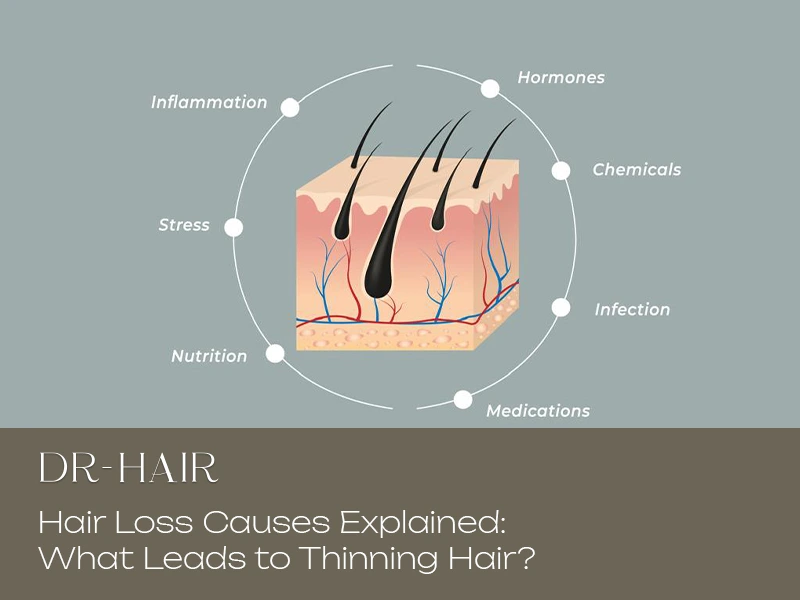
Waking up to a pillowcase covered in strands or seeing your shower drain clog up every morning can be a total heart-sink moment. If you’re living in Malaysia, you might be wondering if it’s the nasi lemak, the 90% humidity, or just bad luck. Looking for a permanent fix for thinning? Dr. Hair Malaysia analyze your hair loss causes thoroughly and offers advanced hair regrowth treatment tailored to your scalp’s needs. Restore your confidence and natural hairline today. Understanding Hair Loss Causes Before we blame the weather, we need to understand how the “machinery” on your scalp actually works. How Hair Grows and Why It Falls Out Every single hair on your head is on its own timeline. Most of your hair is in the Anagen (growth) phase, which lasts for years. Eventually, it hits the Telogen (resting) phase before falling out. Hair loss happens when that growth phase gets cut short or the resting phase lasts too long. Temporary vs. Permanent Hair Loss Causes Not all hair loss is a “goodbye forever.” Temporary hair loss (like after a bout of fever or high stress) usually grows back once the trigger is gone. Permanent hair loss, however, happens when the follicle itself shrinks or scars over, often due to genetics or chronic inflammation. Genetic and Hormonal Causes of Hair Loss This is the most common reason people visit a specialist like Dr. Hair to figure out why their hairline is migrating backward. Hereditary Hair Loss (Male & Female Pattern Baldness) Known medically as Androgenetic Alopecia, this is written in your DNA. It’s not just from your mother’s side; genes from both parents dictate how sensitive your follicles are to shrinking. DHT and Hormonal Imbalance The main villain here is Dihydrotestosterone (DHT). This hormone binds to follicles and tells them to produce thinner, shorter hairs until they stop producing altogether. According to the American Academy of Dermatology, this process of miniaturization is the leading cause of thinning worldwide. Pregnancy, Postpartum, and Menopause-Related Hair Loss New moms in Malaysia often experience “the great shedding” about three months after delivery. This is because the high estrogen that kept your hair in the growth phase during pregnancy suddenly drops. Menopause does something similar, lowering protective hormones and making DHT more dominant. Thyroid and Endocrine Disorders Your thyroid is the master regulator of your metabolism. When it’s overactive or underactive, it can disrupt the hair growth cycle, leading to uniform thinning across the entire scalp. Medical and Health-Related Causes Autoimmune Conditions (Alopecia Areata) Sometimes the body’s immune system gets confused and attacks the hair follicles, causing hair to fall out in smooth, round patches. This is a specific autoimmune disease called Alopecia Areata that requires clinical intervention rather than just a change in shampoo. Chronic Illness and Infections High fevers or severe infections can “shock” your system, pushing a large percentage of hair into the shedding phase all at once. Side Effects of Medications Certain drugs for blood pressure, cholesterol, and acne (like isotretinoin) can sometimes cause thinning as a side effect. Scalp Conditions and Inflammation In our tropical climate, fungal infections or seborrheic dermatitis (severe dandruff) are common. An inflamed scalp is like bad soil—it’s hard for anything to grow healthy roots. Lifestyle and Environmental Causes in Malaysia Stress, Anxiety, and Sleep Deprivation Living in high-paced hubs like KL or JB comes with stress. Chronic anxiety raises cortisol, which can trigger a condition called Telogen Effluvium. Diet, Malnutrition, and Vitamin Deficiencies If you’re skipping protein or lack Iron, Zinc, and Vitamin D, your hair will be the first thing your body “shuts down” to save energy for vital organs. Research from the National Institutes of Health confirms that low serum ferritin levels are closely linked to hair fall. Smoking, Alcohol, and Poor Lifestyle Habits Smoking restricts blood flow to the scalp, literally choking your follicles. Heat, Humidity, and Air Pollution Effects Malaysia’s sun is intense. UV rays can damage the hair protein (keratin), while pollution particles can settle on the scalp, causing oxidative stress. Hard Water and Hair Washing Habits The minerals in some Malaysian water supplies can build up on the hair shaft, making it brittle and prone to breakage. Hair Care and Styling-Related Causes Excessive Heat Styling and Blow-Drying If you’re using a flat iron daily in this heat, you’re essentially “cooking” the moisture out of your hair strands. Chemical Treatments and Hair Coloring Bleaching and perms break the chemical bonds of your hair. Do it too often, and you get “chemical breakage,” which looks like hair loss but is actually the hair snapping off. Tight Hairstyles and Traction Alopecia Whether it’s a tight “man bun,” high ponytail, or a very snug hijab, constant pulling can permanently damage follicles along the hairline. Overwashing, Harsh Shampoos, and Product Buildup Using shampoos with heavy sulfates can strip natural oils, while too much dry shampoo can clog pores, leading to “folliculitis.” Sudden and Temporary Hair Loss Triggers Telogen Effluvium This is the “sudden” hair loss that happens 2-3 months after a major life shock. Rapid Weight Loss or Crash Dieting Losing more than 1kg a week often results in the body “triaging” its resources away from hair growth. Surgery, Fever, or Physical Trauma Even a routine surgery under general anesthesia can lead to temporary thinning a few months later. COVID-19 and Post-Illness Hair Loss Many Malaysians reported significant hair fall after recovering from COVID-19. This is a classic example of post-viral Telogen Effluvium, where the body’s inflammatory response disrupts the hair cycle. Hair Loss in Men vs. Women Common Causes of Hair Loss in Men For men, it’s almost always DHT. The “M” shape receding hairline is the hallmark sign. Common Causes of Hair Loss in Women Women’s thinning is often more complex, involving a mix of hormones, iron levels, and styling habits. It usually manifests as a widening part line. Age-Related Hair Thinning As we age, our hair strands naturally become finer and have less pigment. This is a normal part of the
Exosome Hair Therapy: Advanced Regenerative Treatment in Malaysia
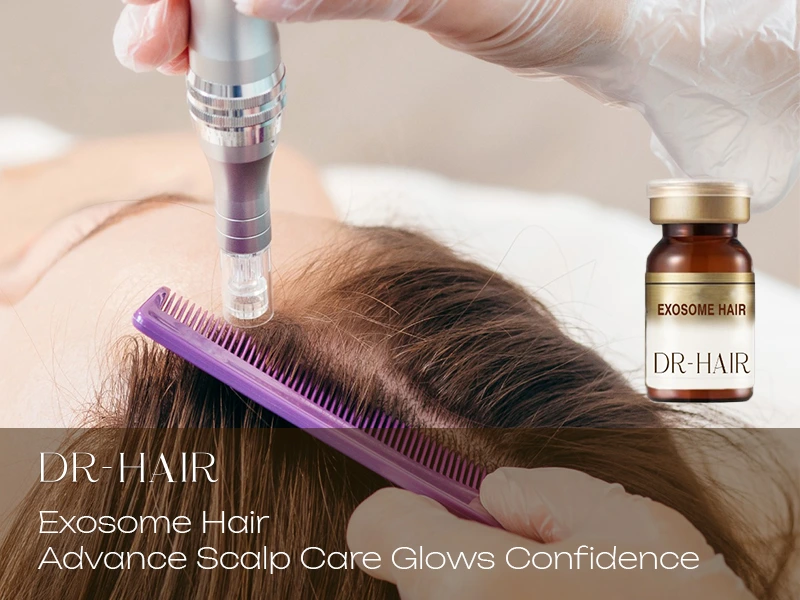
Facing hair thinning can feel like an uphill battle, especially in Malaysia’s humidity where flat, limp hair makes every “bad hair day” feel worse. While we’ve all heard of hair transplants and PRP, there’s a new player in town that’s making waves in Kuala Lumpur and beyond: Exosome Hair Therapy. This isn’t just another topical serum; it’s a “cellular messenger” system that tells your scalp it’s time to wake up and grow. Experience the ultimate exosome hair therapy at Dr. Hair Malaysia. Our specialists use biotech cell messengers to reactivate dormant follicles, significantly improving hair density and thickness for a fuller look. What is Exosome Hair Therapy? Think of exosome therapy as the high-tech successor to stem cell treatments. Instead of using whole cells, it uses the “instructions” those cells send out. Understanding Exosomes and Their Role in Hair Regrowth Exosome hair therapy is a regenerative treatment using extracellular vesicles derived from stem cells to deliver growth factors, proteins, and genetic material directly to the scalp. It stimulates follicle regeneration, reduces inflammation, and promotes thicker, healthier hair growth. Results appear gradually over several months with no downtime. According to the National Institutes of Health, these nano-sized vesicles can stimulate the dermal papilla cells, which are the engine room of hair production. How Exosome Therapy Differs from PRP and Other Treatments While PRP (Platelet-Rich Plasma) relies on your own blood, which can vary in quality based on your age and health, exosome therapy uses a standardized, highly concentrated lab-purified solution. Potency: Exosomes typically contain over 1,000 growth factors, significantly more than the 7-25 found in PRP. Consistency: Because they are pre-processed, the results are more predictable. No Blood Draw: Unlike PRP, there is no need to draw your blood and spin it in a centrifuge. Benefits of Exosome Hair Therapy Why are Malaysians opting for this “liquid gold” for their scalp? Stimulating Hair Follicle Regeneration Exosomes work by pushing follicles from the telogen (resting) phase back into the anagen (growth) phase. They essentially “instruct” dormant follicles to restart hair production. Beyond just growth, they help modulate microRNA expression, which acts as a master switch for follicle health. Improving Hair Density and Thickness It’s not just about more hair; it’s about better hair. By improving angiogenesis (the formation of new blood vessels) around the hair bulb, the shafts grow back thicker and stronger. Mayo Clinic notes that most hair loss treatments aim to extend the growth phase, and exosomes do this at a cellular level. Minimizing Hair Loss Progression The anti-inflammatory properties of exosomes help reduce scalp inflammation, a hidden culprit in androgenetic alopecia (pattern baldness) and alopecia areata. They specifically target pro-inflammatory cytokines that often cause premature follicle miniaturization. Who is a Candidate for Exosome Hair Therapy? Ideal Patients for Hair Restoration The best candidates are those in the early to moderate stages of hair thinning. If your follicles are miniaturized but still alive, exosomes can do wonders. However, if an area is completely bald with no visible follicles, a hair transplant might be the only option. Age, Gender, and Hair Loss Considerations Exosome therapy is gender-neutral. It works effectively for: Men: Dealing with receding hairlines or thinning crowns. Women: Experiencing widening parts or general thinning. Post-COVID Shedding: Many in Malaysia have reported success using exosomes to “reset” the hair cycle after viral illnesses, effectively addressing Telogen Effluvium. The Exosome Hair Therapy Procedure in Malaysia Pre-Treatment Consultation and Assessment In top-tier KL clinics, doctors use a trichoscope to zoom in on your scalp. They check for follicle health and ensure you don’t have an underlying scalp infection that needs treating first. Step-by-Step Treatment Process Cleaning: The scalp is sterilized. Numbing: A topical numbing cream or local anesthesia may be applied for comfort. Application: The exosome solution is delivered via tiny micro-injections or microneedling. Interestingly, recent studies suggest that microneedling creates micro-channels that significantly enhance the penetration of these vesicles into the dermis. Duration: The whole process takes about 30 to 60 minutes—perfect for a “lunch break” treatment. Expected Recovery and Aftercare There’s almost zero downtime. You might have slight redness or “mosquito bite” bumps for 24 hours. You’ll be advised not to wash your hair for at least 6–12 hours to let the solution absorb. To prevent infection, the American Academy of Dermatology generally recommends avoiding swimming pools or public spas for 48 hours post-injection. Results and Effectiveness of Exosome Hair Therapy Timeline for Visible Hair Growth Patience is key. While some notice reduced shedding in as little as 4 weeks, the real “wow” results in density and thickness usually peak between 3 to 6 months. This timeframe matches the natural biological rhythm of the hair cycle. Long-Term Success Rates and Maintenance Research shared by the Cleveland Clinic emphasizes that no hair loss treatment is a “one-and-done” cure. Most patients in Malaysia opt for a refresher session every 6 to 12 months to maintain their lush results and combat the natural cellular aging process. Costs of Exosome Hair Therapy in Malaysia Price Ranges Across Clinics In Malaysia, the cost is higher than PRP due to the laboratory processing involved. Per Session: RM 1,800 – RM 3,500 Full Package (3 sessions): RM 5,000 – RM 9,000 Factors That Affect Treatment Costs The price varies based on the brand/origin of the exosomes (e.g., ASCE+, ExoCoBio) and the concentration used. Premium clinics in areas like Bangsar or Mont Kiara may charge more for their advanced delivery systems, such as laser-assisted delivery or high-frequency ultrasound. Choosing the Right Clinic for Exosome Hair Therapy in Malaysia Key Qualifications and Certifications to Look For Ensure your doctor is LCP (Letter of Credentialing and Privileging) certified by the Ministry of Health Malaysia (MOH). This ensures they are qualified to perform aesthetic injections and handle biological agents safely. Patient Reviews and Testimonials Look for “before and after” photos specifically for hair, not just skin. Exosome therapy for the face is common, but hair restoration requires a different technique and depth of delivery. Safety Standards and Regulations The World