
Microneedling for Hair Loss: A Cutting-Edge Treatment Explained

Hair loss affects millions of people globally, often impacting self-esteem and overall well-being. While traditional treatments like topical minoxidil or oral medications exist, a newer, minimally invasive option is gaining attention: microneedling for hair loss. This cutting-edge technique shows promising results in stimulating hair regrowth and improving scalp health. In this blog, we’ll explore what microneedling is, how it works for hair loss, the science behind it, who it’s suitable for, and what to expect from the procedure. What is Microneedling? Microneedling, also known as collagen induction therapy, involves using a device with fine needles to create micro-injuries (tiny punctures) in the skin. Originally used in dermatology for skin rejuvenation, reducing scars, and improving texture, microneedling has now expanded into the world of hair restoration. When applied to the scalp, these micro-injuries trigger the body’s natural healing response. This includes increased collagen production, improved blood flow, and the activation of various growth factors — all of which play a critical role in hair follicle health and regeneration. How Does Microneedling Help with Hair Loss? The process works by rejuvenating dormant or weakened hair follicles. When the scalp is microneedled, several mechanisms contribute to hair regrowth: Increased Blood Circulation: The microchannels created by the needles enhance blood flow, delivering more oxygen and nutrients to hair follicles. Activation of Growth Factors: Microneedling stimulates the release of platelet-derived growth factor (PDGF), vascular endothelial growth factor (VEGF), and other cytokines that support hair growth. Enhanced Product Absorption: When used alongside topical treatments (like minoxidil), microneedling can dramatically improve absorption, making the treatments more effective. Stem Cell Activation: The injury signals produced may activate stem cells in the hair follicle bulge area, essential for hair cycling and regeneration. These effects work synergistically to promote thicker, healthier, and more resilient hair growth. Scientific Backing: What Studies Say Several clinical studies support the effectiveness of microneedling for hair loss. One prominent 2013 study compared the effects of minoxidil 5% alone versus minoxidil combined with weekly microneedling sessions. The group receiving the combination therapy experienced significantly greater hair regrowth. Another review in the Journal of Cosmetic Dermatology found that microneedling, especially when paired with growth factors or PRP (platelet-rich plasma), can result in visibly improved hair density and coverage within months. These findings continue to encourage more dermatologists and trichologists to offer microneedling as part of a comprehensive hair loss treatment plan. Who is Microneedling Best Suited For? Microneedling for hair loss is effective for various types of hair thinning, including: Androgenetic Alopecia (Male and Female Pattern Baldness) Telogen Effluvium (stress-related shedding) Alopecia Areata (patchy hair loss) It’s generally considered safe for most skin types and hair types. However, it may not be suitable for individuals with active scalp infections, severe skin conditions (like eczema or psoriasis), or bleeding disorders. A consultation with a qualified healthcare provider or dermatologist is crucial to determine if microneedling is right for your specific condition. The Procedure: What to Expect A typical microneedling session for hair loss follows these steps: Scalp Preparation: The scalp is cleaned thoroughly, and a topical numbing cream is applied to reduce discomfort. Microneedling Treatment: Using a dermaroller or motorized pen (often with 0.5–1.5mm needles), the practitioner creates micro-injuries across the thinning areas. Topical Application: Post-treatment, a serum (like minoxidil or PRP) is applied to penetrate deeper via the microchannels. Recovery: Mild redness and sensitivity are normal and typically subside within 24–48 hours. Most patients require a series of sessions (usually once a week or biweekly for several months) to see noticeable results. Hair density improvements often begin around the 8 to 12-week mark. Benefits of Microneedling for Hair Loss Non-surgical and minimally invasive Enhances effectiveness of topical treatments Boosts scalp health and collagen production Promotes natural-looking hair growth Suitable for both men and women When performed correctly and consistently, it’s a safe and evidence-based method to help combat hair loss and stimulate regrowth. Frequently Asked Questions (FAQs) 1. Does microneedling for hair loss hurt? Most people experience only mild discomfort during the procedure, thanks to numbing cream. The sensation is often described as a tingling or slight scratching feeling. 2. How soon can I expect to see results? Visible results typically start appearing after 8–12 weeks of regular treatment. Full benefits may take up to 6 months. 3. Can I do microneedling at home? Yes, at-home dermarollers are available, but they’re usually less effective than professional devices. Home use requires careful hygiene to avoid infections and should only be attempted under guidance. 4. Are there any side effects? Common side effects include redness, slight swelling, and scalp sensitivity, which usually resolve within 1–2 days. Rare complications include infection or prolonged inflammation if not performed correctly. 5. Can microneedling be combined with other treatments? Absolutely. It’s often used alongside minoxidil, PRP therapy, or specialized serums to maximize results. Always consult a professional before combining treatments. Final Thoughts Microneedling for hair loss represents a promising frontier in hair restoration. By harnessing the body’s natural healing processes, it revitalizes the scalp and supports healthier, fuller hair regrowth. Whether you’re dealing with pattern baldness, stress-induced thinning, or alopecia areata, microneedling could be a valuable addition to your treatment regimen. As with any medical or cosmetic procedure, consult a qualified professional to ensure it’s the right choice for your specific needs. With consistent treatment and professional guidance, microneedling may be the step that leads you back to healthier, more confident hair.
PRF Hair Treatment: Platelet-Rich Fibrin for Natural Hair Regrowth in Malaysia

PRF Hair Treatment in Malaysia: Advanced Hair Regrowth Solution If you’ve been scrolling through social media or chatting with friends about hair thinning, you’ve likely heard of PRP. But there is a new “liquid gold” in town making waves across clinics from Kuala Lumpur to Penang. PRF (Platelet-Rich Fibrin) is being hailed as the “next-gen” version of platelet therapy, offering a more potent, natural way to wake up those sleepy hair follicles. What is PRF Hair Treatment? PRF (Platelet-Rich Fibrin) is an advanced form of PRP derived from your own blood. Unlike PRP, it contains a higher concentration of platelets, growth factors, and white blood cells in a fibrin matrix. This allows for slower, sustained release of healing properties, enhancing follicle regeneration and hair growth naturally. Understanding Platelet-Rich Fibrin (PRF) At its core, PRF is a concentrated mix of platelets, white blood cells, and stem cells trapped in a fibrin matrix. Think of fibrin as a natural “scaffold” that keeps all the good stuff in place once it’s injected into your scalp. Because it’s 100% autologous (meaning it comes from you), there are no synthetic additives involved. How PRF Differs from PRP for Hair Loss While both start with a simple blood draw, the magic happens in the centrifuge. Unlike PRP, which is spun at high speeds, PRF uses a low-speed centrifugation process. According to the American Academy of Dermatology, platelet-based therapies work by delivering growth factors directly to the bulb of the hair follicle. The lower speed in PRF preserves more of the delicate white blood cells and mesenchymal stem cells that often get “squashed” or lost in the traditional PRP process. PRP vs PRF: Which is Better for Hair Loss? The “PRP vs PRF” debate is hot in Malaysian aesthetic circles. While PRP has been the gold standard for years, PRF is quickly gaining ground for its efficiency. Key Differences Between PRP and PRF The Matrix: PRF forms a gel-like fibrin clot; PRP remains a liquid. Release Speed: PRF releases growth factors slowly over 7–10 days, whereas PRP delivers a quick “burst” that fades in hours. Additives: PRP requires anticoagulants (like citrate dextrose) to prevent clotting during the spin. PRF is totally additive-free. Effectiveness and Results Comparison In terms of pure “bang for your buck,” PRF often takes the lead. Because of the slow-release mechanism, your follicles are bathed in growth factors for a week rather than a few hours. A study indexed by the National Institutes of Health (NIH) suggests that the presence of a fibrin matrix can significantly enhance the regenerative environment of the scalp compared to plasma alone. Safety, Side Effects, and Downtime Both are incredibly safe because they use your own blood—no “frankenhair” risks here! However, because PRF doesn’t use anticoagulants, some patients find it even gentler on the scalp, with less stinging during the injection. Benefits of PRF Hair Treatment Why are Malaysians choosing PRF over traditional tonics or transplants? It’s all about the “natural” factor. Natural Hair Regrowth Stimulation PRF doesn’t just “mask” hair loss; it addresses the root cause by extending the anagen (growth) phase of the hair cycle. It’s like giving your scalp premium organic fertilizer. Improved Hair Density and Thickness It’s not just about more hair; it’s about better hair. PRF is known to increase the diameter of the hair shaft, making your existing mane look significantly fuller. Minimal Downtime and Side Effects You can literally get this done during your lunch break in Mid Valley and head back to the office. Aside from some temporary “puffiness” or a bit of tenderness, there’s no “healing” period like you’d see with a transplant. Ideal Candidates for PRF Hair Treatment Not everyone is a perfect match for PRF. It works best when there is still “life” left in the follicles. Hair Loss Patterns Treated Androgenetic Alopecia: Male and female pattern baldness. Telogen Effluvium: Stress-related thinning (very common post-pandemic!). Traction Alopecia: Thinning caused by tight hijabs or hairstyles. Age and Health Considerations Ideally, you should be in generally good health. If you are a heavy smoker or have certain blood disorders, the “quality” of your PRF might be lower. According to the Mayo Clinic, factors like platelet count and overall systemic health play a role in how well your body responds to autologous therapies. PRF Hair Treatment Procedure Curious about what actually happens in the clinic? It’s a pretty straightforward three-step dance. Step-by-Step Overview The Draw: A small amount of blood is taken from your arm (just like a standard blood test). The Spin: The blood is placed in a specialized centrifuge for about 5–10 minutes. The Injection: The concentrated PRF is injected into the thinning areas of your scalp using a tiny needle. Duration and Number of Sessions The whole process takes about 45 to 60 minutes. Most Malaysian specialists recommend a “loading phase” of 3 sessions, spaced 4–6 weeks apart, followed by maintenance every 6–12 months. PRF Hair Treatment Before and After Results Patience is a virtue here. You won’t wake up as Rapunzel the next day, but the changes are real. Expected Timeline for Visible Results Month 1: Reduced hair shedding (the “drain clog” test). Month 3: New “baby hairs” appearing along the hairline. Month 6: Noticeable increase in overall volume and scalp coverage. Real Patient Case Studies in Malaysia Many clinics in Bangsar and Mont Kiara report high satisfaction rates, particularly among women dealing with postpartum hair thinning and men in the early stages of a receding hairline. Risks and Side Effects of PRF Hair Therapy While it’s one of the safest treatments out there, it isn’t completely “risk-free”—though the risks are mostly just minor annoyances. Common Side Effects Mild Swelling: Your scalp might feel a bit “full” for 24 hours. Tenderness: A bit of soreness at the injection sites. Bruising: Rare, but possible at the blood draw site. Precautions and Safety Measures Avoid anti-inflammatory meds like Ibuprofen for a few days before and after, as they can interfere with the “good” inflammation PRF is trying to
Can Scalp Detox and Microneedling Regrow Hair?

Hair thinning or loss can be stressful, no matter your age or gender. With so many hair regrowth methods on the market, it’s natural to wonder what really works. Among the most talked-about treatments are scalp detox and microneedling. But are they effective in stimulating hair regrowth — or is it just another trend? In this guide, we’ll explore how scalp detox and microneedling work, whether they can truly promote hair growth, and how to use them safely and effectively. What Is Scalp Detox? Scalp detox is a deep-cleansing treatment designed to remove dirt, oil buildup, product residue, and dead skin cells from the scalp. Just like the skin on your face, your scalp benefits from exfoliation and detoxification, especially if you’re dealing with dull, thinning hair or scalp irritation. How It Helps: Clears blocked hair follicles Reduces dandruff and itchiness Balances sebum (oil) production Creates a healthier environment for hair growth Detoxing the scalp alone won’t make new hair grow, but it sets the stage for healthy follicles and boosts the effectiveness of other treatments — including microneedling. What Is Microneedling for Hair Regrowth? Microneedling involves using a device (like a dermaroller or dermapen) with tiny needles to create controlled micro-injuries on the scalp. These micro-punctures stimulate the body’s natural healing response, increasing blood flow and encouraging the production of collagen and growth factors. Benefits of Microneedling on the Scalp: Activates dormant hair follicles Promotes new hair growth Enhances absorption of topical treatments like minoxidil or rosemary oil Boosts scalp circulation and nutrient delivery Microneedling is backed by multiple clinical studies showing positive results, especially for individuals with androgenetic alopecia (pattern hair loss). Can Scalp Detox and Microneedling Regrow Hair? Yes — scalp detox and microneedling can support hair regrowth, particularly when used together. Each treatment offers unique benefits, and together they create a powerful combination for healthier hair. How They Work Together: Scalp detox cleans and preps the scalp by removing buildup, allowing better penetration of serums and treatments. Microneedling stimulates the scalp, increases circulation, and reactivates hair follicles for growth. The combination enhances the delivery and effectiveness of any topical product applied post-treatment. While they may not fully reverse severe hair loss, scalp detox and microneedling can significantly improve hair density, scalp health, and the growth environment for those experiencing mild to moderate thinning. Who Can Benefit from These Treatments? These treatments are best suited for: People with early-stage hair thinning Those experiencing scalp buildup, flaking, or inflammation Individuals using topical hair growth serums or oils Men and women with hereditary or hormonal hair loss ⚠️ Note: If you have open wounds, active infections, psoriasis, or other skin conditions, consult a dermatologist before using these methods. How to Safely Use Scalp Detox and Microneedling Step 1: Scalp Detox Use a clarifying shampoo or scalp scrub once every 1–2 weeks. Look for ingredients like charcoal, salicylic acid, apple cider vinegar, or tea tree oil. Massage the product into the scalp to exfoliate and boost blood flow. Rinse thoroughly and avoid harsh or drying formulas. Step 2: Microneedling Use a sterilized dermaroller with 0.5 mm needles. Roll in multiple directions (horizontal, vertical, diagonal) across the scalp. Perform once a week to start, then increase to 2 times per week if tolerated. Apply a hair growth serum immediately after microneedling for better absorption. Clean your dermaroller before and after each use. ⚠️ Never microneedle over broken or irritated skin. Avoid using heavy products or harsh chemicals immediately after the treatment. What Kind of Results Can You Expect? Results vary based on consistency, the severity of hair loss, and the products used. However, many people report: Thicker, stronger hair within 3–6 months Reduced shedding New growth along the hairline or thinning spots Healthier, more balanced scalp Clinical studies have shown that microneedling combined with topical treatments (like minoxidil) yields significantly better hair regrowth compared to using treatments alone. Frequently Asked Questions1. How often should I use scalp detox and microneedling? Scalp detox can be done once every 1–2 weeks. Microneedling is usually done once a week and increased gradually based on your tolerance and scalp condition. 2. Can I do both treatments on the same day? Yes — for best results, detox your scalp first, then proceed with microneedling. This ensures your scalp is clean and allows deeper penetration of any serums you apply afterward. 3. Are there side effects to microneedling on the scalp? Some people may experience mild redness, tenderness, or slight bleeding. This is normal and usually resolves quickly. Always sanitize your device and avoid use on broken or inflamed skin. 4. Which products should I use after microneedling? Hair growth serums, peptides, minoxidil, or natural oils like rosemary or pumpkin seed oil are great choices. Avoid products with alcohol or strong fragrances right after treatment. 5. Can these methods help with severe hair loss or bald spots? Scalp detox and microneedling are more effective in the early stages of hair thinning. In cases of advanced hair loss, you may need medical treatments like PRP (Platelet-Rich Plasma), prescription medications, or hair transplants. Final Thoughts If you’re struggling with hair thinning, combining scalp detox and microneedling may be a smart, non-invasive approach to support natural hair regrowth. While these methods won’t deliver instant results, they can create the ideal scalp environment for healthy follicles and enhance the effectiveness of hair growth products. Consistency, care, and patience are key. Over time, with regular use, you may begin to notice stronger, thicker, and healthier hair.
Combining PRP and Exosomes: Double Power for Hair Regrowth

Double Power of PRP and Exosome Hair loss can be a frustrating and confidence-shaking experience, whether it’s due to genetics, hormones, stress, or aging. In recent years, regenerative medicine has opened new doors in hair restoration with innovative treatments like PRP (Platelet-Rich Plasma) and Exosome Therapy. But what happens when you combine both? In this article, we’ll explore how PRP and exosomes work individually, how they enhance each other when combined, and what to expect from this powerful hair regrowth duo. What Is PRP (Platelet-Rich Plasma) Therapy? PRP therapy involves drawing a small amount of your blood, processing it in a centrifuge to concentrate the platelets, and then injecting it into the scalp. Platelets are rich in growth factors—natural proteins that signal your cells to heal, regenerate, and stimulate new tissue. When injected into areas of hair thinning, PRP hair treatment helps: Revive dormant hair follicles Improve blood circulation to the scalp Strengthen existing hair strands Prolong the growth (anagen) phase of hair PRP has become popular for its natural approach (since it uses your own blood) and its proven results, especially for early-stage hair loss. What Are Exosomes in Hair Restoration? Exosomes are tiny extracellular vesicles naturally released by stem cells. These microscopic messengers carry powerful growth factors, proteins, RNA, and signaling molecules that help cells repair, regenerate, and communicate with each other. In hair restoration, exosomes derived from mesenchymal stem cells (usually from donated umbilical cord tissue) are injected into the scalp to: Stimulate inactive or miniaturized hair follicles Promote new blood vessel formation Reduce inflammation Encourage hair thickening and density Exosome therapy is gaining attention as a next-generation treatment, especially for people looking for stem cell-like benefits without surgery. Why Combine PRP and Exosome Therapy? While both PRP and exosomes are powerful on their own, combining them offers synergistic benefits that can accelerate and amplify results. Key Benefits of Combining PRP + Exosomes: Stronger and faster results – Exosomes enhance the regenerative effects of PRP, leading to quicker hair regrowth. Improved follicle activation – The growth factors in PRP activate follicles, while exosomes provide cellular support for long-term growth. Longer-lasting outcomes – Exosomes promote more sustained tissue repair, helping results last longer. Reduced inflammation – Both treatments help reduce scalp inflammation that may hinder growth. Better results in stubborn cases – This combo is ideal for individuals with more advanced thinning or past treatment failures. This “double power” treatment provides both the fuel (PRP) and the messengers (exosomes) your scalp needs to jumpstart healthier, thicker hair growth. What to Expect During and After the Treatment Treatment Plan: Typically done in 3 to 6 monthly sessions, depending on hair condition Followed by maintenance treatments every 6–12 months Procedure Overview: Blood is drawn for PRP preparation. Scalp is numbed with a topical anesthetic. Exosomes are thawed and prepared. Both PRP and exosomes are injected into targeted areas. Recovery: Minimal to no downtime Mild soreness or redness for 1–2 days No washing the scalp for 24 hours Results Timeline: 1 month: Reduced shedding 2–3 months: Thicker texture, baby hairs appear 4–6 months: Noticeable hair density improvement 9–12 months: Full visible results Who Is a Good Candidate? Combining PRP and exosomes is ideal for: Men and women with early to moderate hair thinning People experiencing hair loss from stress, hormones, or postpartum Patients who did not respond well to PRP or Minoxidil alone Those who prefer non-surgical options However, individuals with complete baldness or scarring alopecia may need alternative solutions such as hair transplants. Frequently Asked Questions (FAQs) 1. Is this treatment safe? Yes. PRP uses your own blood, so there’s minimal risk of allergic reaction. Exosomes are rigorously tested and sterilized before use. Side effects are usually limited to temporary swelling or redness. 2. How many sessions are needed for results? Most patients see visible improvements after 3 to 4 sessions. Your provider may recommend 6 sessions for more advanced cases, followed by maintenance once or twice a year. 3. Can I combine this with other hair loss products like Minoxidil? Yes! PRP and exosome therapy can safely be combined with topical treatments, oral supplements, and low-level laser therapy (LLLT) for enhanced outcomes. 4. Are exosomes the same as stem cells? Not exactly. Exosomes are cell-free but derived from stem cells. They offer similar regenerative benefits without the ethical or legal concerns related to live stem cell use. 5. How much does the combination treatment cost? Prices vary by clinic and country, but combining PRP and exosomes typically ranges from RM2,000–RM6,000 per session. Some clinics offer package deals or payment plans. Final Thoughts If you’re struggling with hair thinning and want to take your treatment to the next level, combining PRP and exosome therapy could be the breakthrough you’ve been waiting for. This regenerative pairing offers faster results, deeper follicle rejuvenation, and long-term growth support—without surgery or harsh chemicals. As with any treatment, it’s important to consult with a licensed aesthetic provider to assess your hair condition and customize a plan that works best for you.
Scalp Detox Malaysia: Top Signs You Need a Scalp Detox
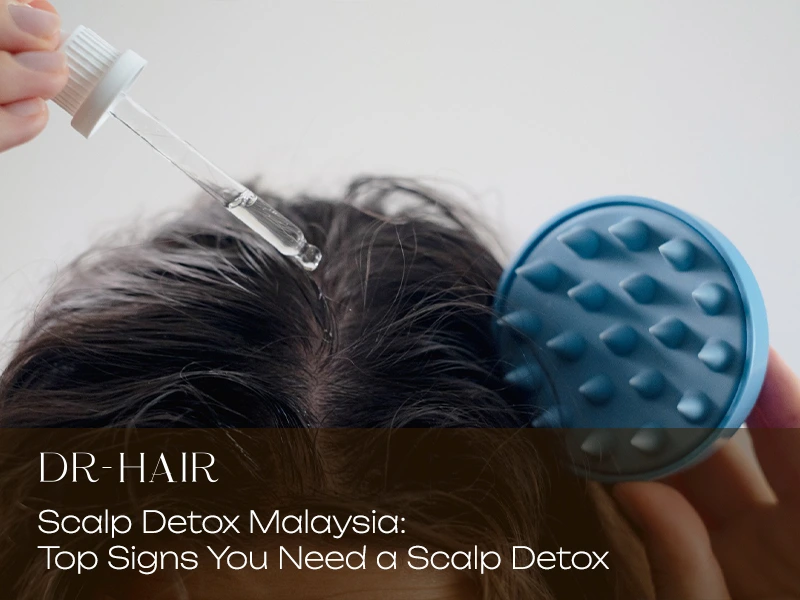
Scalp Detox Malaysia When was the last time you gave your scalp the same care you give your skin? We often focus on shampoos, conditioners, and styling products, but the foundation of healthy hair lies in a clean, balanced scalp. Over time, product residue, excess oils, dead skin cells, and pollutants can accumulate, leading to discomfort or even hair thinning. That’s where a scalp detox can make a real difference. This guide will walk you through the key signs that your scalp may need deep cleansing — and where to find professional treatments in Malaysia. Top Signs You Might Need One 1. Persistent Flaking or Dandruff If white flakes are constantly appearing on your shoulders or in your hairbrush, your scalp may be congested. Buildup from products or dry skin can lead to flaking — a deep-cleansing scalp care routine can help clear it. 2. Itchy or Uncomfortable Scalp Do you find yourself scratching your head even after washing? That irritation might be from blocked pores or lingering product residue. A detoxifying treatment can soothe and reset your scalp. 3. Excessive Oiliness Greasy roots only a day after washing could indicate overactive sebaceous glands. A professional scalp treatment removes trapped sebum and helps control oil production more effectively than daily shampooing. 4. Hair Thinning or Shedding Hair falling out more than usual? Clogged follicles and poor circulation on the scalp may be contributing. Deep-cleansing therapies can help support follicle health and restore a better environment for hair to grow. 5. Dryness or Tight Sensation If your scalp feels dry, tight, or sensitive to the touch, it may be due to product accumulation preventing moisture from getting in. Removing that barrier through detoxing can restore comfort and balance. What Happens During a Scalp Detox? A typical session includes: Scalp analysis to assess your condition Exfoliation to remove dead skin and buildup Massage to boost blood circulation Purifying masks or serums to cleanse and rebalance Some salons use herbal treatments, while others incorporate high-tech diagnostic tools and non-invasive therapy to personalize the process. Where to Get a Scalp Detox in Malaysia 1. Dr. Hair Damansara One of Malaysia’s most established centers for hair and scalp wellness, Dr. Hair Damansara provides tailored solutions using modern diagnostic tools and proven techniques. Their detox treatments address scalp congestion, flaking, and hair loss. Why choose them? Advanced scalp imaging Custom treatment plans Safe, effective therapies backed by professionals Location: Damansara, Selangor 2. Aviary Wellness – Petaling Jaya Aviary Wellness offers holistic treatments, combining modern scalp cleansing methods with soothing aromatherapy. Their deep-cleanse sessions are great for oily or sensitive scalps. Best for: Natural detox treatments Scalp care for sensitive skin 3. The Miracle Hair Provider – Kuala Lumpur With branches across the Klang Valley, this hair care provider offers comprehensive scalp treatments, including detoxing, nourishment, and regrowth stimulation. What to expect: Pre-treatment scalp scanning Use of herbal ingredients Detox-focused regimens 4. Rejoice Hair & Scalp Specialist – Subang Jaya Rejoice blends Eastern traditions with modern hair science. Their specialists focus on restoring scalp balance using herbal formulas and light therapy. Highlights: Personalized herbal scalp care Suitable for long-term maintenance Frequently Asked Questions 1. How often should I get a scalp detox? Once every 4 to 6 weeks is ideal, especially if you use styling products regularly or live in a humid, polluted environment. 2. Can I do a scalp detox at home? You can try natural remedies like apple cider vinegar rinses or clay masks, but they may not be as thorough as a professional treatment. 3. Does it help with hair loss? Yes — by unclogging follicles and improving circulation, it supports healthier hair growth and reduces excessive shedding. 4. Is the treatment safe for colored or chemically treated hair? Most professional scalp cleansing treatments are safe, but always inform your therapist about any treatments or coloring. 5. What should I do after the treatment? Avoid heavy styling products and harsh shampoos for a few days. Use sulfate-free products to maintain results. Final Thoughts Your scalp deserves the same care as your skin. If you’ve been experiencing itchiness, flaking, or thinning hair, a scalp detox may be exactly what you need to reset and revitalize. Whether you’re in KL, Petaling Jaya, or Damansara, clinics like Dr. Hair Damansara and others offer specialized care that targets your unique scalp needs. Start with a consultation and take the first step toward healthier, stronger hair — from the root up.
10 PRP Hair Treatment Benefits for Natural Hair Regrowth

Benefits of PRP Hair Treatment Hair loss affects millions of people worldwide, impacting not just appearance, but self-esteem. If you’re looking for a natural, effective, and minimally invasive solution, it’s time to discover the benefits of PRP hair treatment. PRP (Platelet-Rich Plasma) therapy has quickly become one of the most sought-after methods for reversing hair thinning and boosting natural hair growth. We’ll dive into the top 7 benefits of PRP hair treatment, why it’s gaining popularity, and how it can help you reclaim your hair health. 1. Natural and Non-Surgical Hair Restoration One of the key benefits of PRP hair treatment is that it’s a non-surgical, minimally invasive procedure. It uses your body’s own platelets—derived from a small sample of your blood—to stimulate hair follicles and promote new growth. Since PRP is autologous (from your own body), there’s minimal risk of adverse reactions. You’re essentially healing your scalp with your own natural growth factors—no foreign chemicals or synthetic implants involved. 2. Stimulates Hair Follicles to Reactivate Growth The benefits of PRP hair treatment go beyond surface-level results. PRP is rich in growth factors like platelet-derived growth factor (PDGF) and vascular endothelial growth factor (VEGF), which are essential for healing tissues and promoting regeneration. When injected into the scalp, these growth factors trigger dormant hair follicles to enter the growth phase. Over time, this leads to new hair growth and improvements in hair texture and strength. 3. Improves Hair Thickness and Density Another significant benefit of PRP hair treatment is its ability to increase hair density and thickness. Many patients report seeing thicker strands and reduced shedding after a few sessions. For those experiencing diffuse thinning or early-stage hair loss, PRP helps preserve existing hair and strengthen weak follicles, resulting in fuller, healthier hair without the need for medications or surgery. 4. Minimal Downtime and Quick Recovery Among the many benefits of PRP hair treatment, convenience is a huge plus. Unlike surgical procedures such as hair transplants, PRP involves minimal downtime. Most people resume normal activities the same day. You might experience mild redness, swelling, or soreness at the injection site, but these side effects usually disappear within 24 to 48 hours. It’s an ideal option for those who want effective results with minimal disruption to their schedule. 5. Safe and Low Risk of Complications Safety is a top concern when choosing any medical or cosmetic treatment. One of the most appealing benefits of PRP hair treatment is that it is extremely safe. Because it uses your own blood, there’s virtually no risk of allergic reaction, infection, or rejection. Compared to pharmaceutical or surgical alternatives, PRP therapy stands out as a natural, low-risk option for both men and women seeking hair regrowth. 6. Effective for a Wide Range of Hair Loss Conditions The benefits of PRP hair treatment extend to various types of hair loss, including: Male pattern baldness (androgenetic alopecia) Female pattern hair thinning Telogen effluvium (stress-related shedding) Alopecia areata Traction alopecia Regardless of the cause, PRP can help restore scalp health, enhance follicle function, and improve overall hair quality. 7. Supports Long-Term Hair Health One of the longer-term benefits of PRP hair treatment is how it supports overall hair health. It doesn’t just trigger new growth—it also improves scalp circulation, strengthens follicle structure, and extends the hair growth cycle. With regular maintenance treatments every 6 to 12 months, you can enjoy lasting results and maintain healthier hair for years to come. Frequently Asked Questions (FAQs) 1. Is PRP hair treatment painful? The discomfort is minimal. A topical numbing cream is applied before injections to reduce any pain. Most patients tolerate it well and describe it as a light pinching or pressure sensation. 2. How soon can I expect results? You may begin to notice subtle results within 2 to 3 months, with more noticeable changes in 4 to 6 months. Hair growth is a gradual process, and consistency is key. 3. How many sessions are required? A typical PRP hair treatment plan includes 3 to 4 initial sessions spaced 4–6 weeks apart, followed by maintenance sessions every 6–12 months. 4. Can PRP work for complete baldness? PRP is most effective when hair follicles are still present, even if they’re dormant. It may not yield results in areas with complete follicle loss, but it can be combined with other therapies for enhanced outcomes. 5. Who should avoid PRP hair treatment? People with conditions like low platelet count, active scalp infections, blood disorders, or autoimmune diseases should consult with a medical professional before undergoing PRP. Final Thoughts The benefits of PRP hair treatment are hard to ignore—natural hair restoration, minimal downtime, enhanced hair quality, and long-term results, all in one. Whether you’re experiencing early signs of thinning or you’re exploring options beyond traditional medications and surgeries, PRP offers a cutting-edge, science-backed solution. Ready to take the first step? Consult with a certified provider to determine if you’re a candidate and begin your journey toward thicker, healthier hair today.
Postpartum Hair Loss: Causes, Symptoms & Solutions in Malaysia
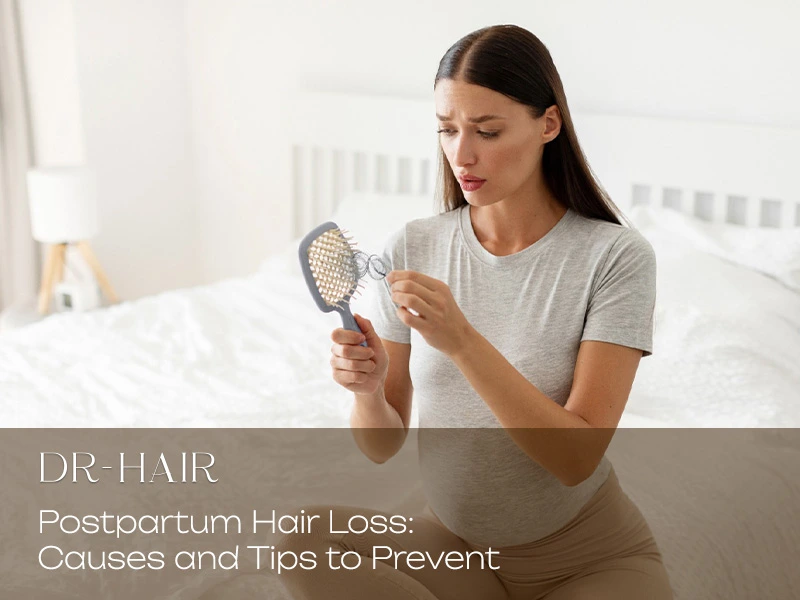
New mothers in Malaysia often face a sudden “shedding season” after delivery. While seeing clumps of hair in the shower can be alarming, postpartum hair loss is a common, biological response to childbirth. Understanding this transition helps you manage your recovery with confidence and patience. Dr. Hair provides the most trusted Postpartum Hair Loss Treatment in Kuala Lumpur, offering LCP-certified specialists and proven medical therapies to restore hair density for new mothers. What Is Postpartum Hair Loss? Definition and Overview Postpartum hair loss, medically known as telogen effluvium, is the excessive shedding that occurs after pregnancy. It isn’t true “hair loss” but rather a synchronized release of hairs that stayed in the growth phase longer than usual during your nine months of pregnancy. Why Hair Falls Out After Pregnancy During pregnancy, high estrogen levels keep your hair in the Anagen (growth) phase, making it look thicker. Once you deliver, estrogen drops sharply. This sudden hormonal shift signals a large percentage of hair to enter the Telogen (resting) phase simultaneously, leading to noticeable shedding. Temporary vs Persistent Hair Loss For most women, this shedding is temporary. However, if hair thinning continues beyond a year, it may indicate underlying issues like iron deficiency or postpartum thyroiditis, which affects about 5% to 10% of women globally. Persistent loss requires a professional medical evaluation to rule out permanent conditions. Causes of Postpartum Hair Loss Hormonal Changes After Childbirth The primary trigger is the rapid decline of progesterone and estrogen. These hormones plummet to pre-pregnancy levels within days of delivery. This “hormonal crash” shocks the hair follicles, causing them to shut down growth and prepare for the shedding phase all at once. Nutritional Deficiencies and Diet In Malaysia, traditional “confinement” diets sometimes lack variety. Deficiencies in Ferritin (iron stores), Vitamin B12, and Zinc can exacerbate shedding. Since your body prioritizes milk production and healing, hair—a non-essential tissue—is often the first to lose out on vital nutrients. Stress and Lifestyle Factors The “Fourth Trimester” is physically and emotionally taxing. Sleep deprivation and the stress of caring for a newborn can prolong telogen effluvium. High cortisol levels further disrupt the hair growth cycle, making it harder for follicles to return to the active growth phase. Symptoms and Diagnosis Signs of Postpartum Hair Shedding You’ll likely notice increased strands on your pillow, hairbrush, or floor. Many Malaysian moms find “hair balls” clogging the shower drain. This shedding usually peaks around three to four months after your baby is born and is most visible around the hairline. Patterns of Hair Loss in Women Postpartum shedding is typically diffuse, meaning it happens all over the head. However, it is most prominent at the frontal hairline, leading to “baby hairs” or a ragged appearance when the hair starts regrowing. Unlike genetic balding, the crown usually retains its density. When to Consult a Dermatologist If you notice patchy bald spots, scalp itching, or if shedding persists past the 12-month mark, consult an LCP-certified dermatologist. They can perform a “pull test” or blood panels to check if your hair loss is truly postpartum or linked to other medical issues. Treatment Options in Malaysia Home Remedies and Natural Solutions Natural oils like Coconut or Argan oil can strengthen the hair shaft to prevent breakage. In Malaysia, many mothers use traditional ginger-based scalp tonics to “warm” the scalp and improve circulation. While soothing, these remedies mostly improve hair quality rather than stopping the hormonal shedding. Topical Treatments and Serums Serums containing Peptides or Procapil can support the scalp environment. While Minoxidil is a gold standard for hair loss, many doctors suggest avoiding it immediately postpartum if you are breastfeeding. Always check with a pharmacist at providers like Watson’s or Guardian before starting new topicals. Supplements for Hair Regrowth Continuing your prenatal vitamins is often recommended. Look for supplements containing Biotin, Iron, and Vitamin D. Clinical brands like Viviscal or Nutrifol are popular in Malaysia for providing the specific marine complexes and minerals needed to kickstart the Anagen phase. Clinical Treatments and Procedures For faster recovery, Platelet-Rich Plasma (PRP) therapy is available in clinics across KL and Penang. This involves injecting your own growth factors into the scalp. Low-Level Laser Therapy (LLLT) is another non-invasive option that stimulates cellular activity in dormant follicles. Hair Care Tips During Postpartum Hair Loss Gentle Hair Care Practices Switch to a volumizing shampoo that adds body without weighing hair down. Avoid tight ponytails or “tudung” styles that pull on the weakened hairline. Use a wide-tooth comb and skip high-heat styling tools, which can cause fragile new growth to snap. Scalp Stimulation and Massage A gentle five-minute daily scalp massage can improve blood flow to the follicles. This ensures that the nutrients in your blood actually reach the hair roots. Using a silicone scalp brush during your shower is an easy way to incorporate this into a busy “mom schedule.” Nutrition and Lifestyle Adjustments Focus on a protein-rich diet including fish, eggs, and spinach. In Malaysia, eating curry leaves or hibiscus tea is a traditional way to support hair health. Prioritizing small windows of rest can also help lower stress hormones that hinder the regrowth process. Timeline and Recovery How Long Postpartum Hair Loss Lasts The most intense shedding usually lasts about three to six months. By your baby’s first birthday, most women find their hair volume has returned to normal. If you are still losing hair in large quantities after a year, it’s time to seek professional advice. Stages of Hair Regrowth First, you will notice the shedding slows down. Next, short, fine “baby hairs” will appear along your hairline—often jokingly called “postpartum bangs.” Finally, these hairs will thicken and match the texture of the rest of your mane as they mature through the growth cycle. Factors Affecting Recovery Speed Breastfeeding, multiple pregnancies in short succession, and overall nutritional status play roles. Women with higher iron levels generally see faster recovery. Genetics also determine how quickly your follicles “reset” after the hormonal rollercoaster of pregnancy and birth. FAQs About
How to Prevent Hair Loss: Protecting Sensitive Hair
How Can We Prevent Hair Loss Hair loss affects millions of people globally, and in Malaysia, it’s a growing concern among both men and women. Whether it’s due to genetics, lifestyle, or hormonal imbalance, thinning hair can affect our self-esteem and quality of life. But the big question is: how can we prevent hair loss, especially if we have a sensitive scalp? In this guide, we’ll explore the causes, prevention methods, available treatments in Malaysia, and answer the most frequently asked questions to help you protect your hair and confidence. How to Prevent Hair Loss: Tips for Sensitive Scalps If you’re wondering how can we prevent hair loss without expensive treatments, there are several natural and proactive strategies you can follow. These are particularly effective for those with hair-sensitive scalps: 1. Use Gentle Hair Products Choose shampoos that are sulfate-free, paraben-free, and made for sensitive scalps. Harsh chemicals strip the scalp of its natural oils and can cause inflammation or breakage. 2. Nourish Your Body A healthy scalp starts from within. Eat a balanced diet rich in: Protein (eggs, lean meat) Iron (spinach, beans) Zinc (nuts, seeds) Vitamin D (sunlight, fatty fish) 3. Manage Your Stress Stress is one of the most overlooked triggers of hair fall. Engage in yoga, exercise, or deep breathing to calm the body and mind. 4. Be Gentle With Hair Styling Avoid tight buns, braids, or ponytails. Use wide-tooth combs and pat your hair dry instead of rubbing it. 5. Massage Your Scalp Massaging with oils like coconut, castor, or rosemary oil helps stimulate blood flow to the hair follicles, promoting healthier growth. So again, if you’re asking how can we prevent hair loss, start with these basic habits—they go a long way in maintaining scalp health. Hair Loss Treatment in Malaysia In Malaysia, a variety of professional treatments are available for those needing medical intervention. Here’s what you can expect in terms of treatment types and pricing: 1. PRP (Platelet-Rich Plasma) Therapy This non-invasive treatment uses your own blood plasma, injected into the scalp to activate hair follicles. Who It’s For: Those with thinning hair or early-stage hair loss 2. Hair Transplant (FUE Method) Surgical option that transplants hair follicles from one part of the scalp to another. Who It’s For: Those with advanced or permanent hair loss 3. Topical Minoxidil Applied directly to the scalp, this over-the-counter solution encourages hair regrowth. Who It’s For: Men and women with pattern hair loss 4. Finasteride (Oral Medication) Prescription-only pill for men that helps prevent hormone-induced hair thinning. 5. Hair Growth Shampoos Infused with ingredients like caffeine, keratin, and herbal extracts, these shampoos support scalp and follicle health. These solutions vary in effectiveness, but for those still wondering how can we prevent hair loss, a combination of healthy habits and early treatment yields the best results. Natural Alternatives for Hair Loss Prevention For those on a budget, here are a few DIY or natural methods that support hair health: Coconut oil & castor oil massages Aloe vera gel masks Onion juice (contains sulfur for follicle strength) Rosemary or peppermint essential oils These may not offer dramatic changes overnight, but they are gentle and suitable for sensitive scalps. Frequently Asked Questions (FAQs) 1. How can we prevent hair loss long-term? Consistent scalp care, good nutrition, stress control, and avoiding harmful hair practices are the most sustainable ways. Start early for the best results. 2. Are professional treatments worth it? Yes, if natural methods don’t yield results, treatments like PRP or hair transplants can be effective investments—though prices vary in Malaysia. 3. Can I combine natural and medical treatments? Absolutely. Many doctors encourage a holistic approach—combining diet, lifestyle changes, and clinical treatments. 4. Is hair loss treatment covered by insurance in Malaysia? Usually not, unless hair loss is tied to a medical condition. Cosmetic treatments like PRP or transplants are considered out-of-pocket expenses. 5. How soon will I see results? With medication like Minoxidil or Finasteride, expect results in 3–6 months. PRP and transplants may take 6–12 months for noticeable regrowth. Final Thoughts Hair loss can be distressing, but with early intervention, proper care, and the right treatment, it is manageable. Whether you’re dealing with hereditary baldness or a sensitive scalp, there are effective solutions available in Malaysia—from affordable shampoos to advanced procedures like PRP and transplants. Taking care of your scalp and nourishing your body are key to preserving your crowning glory. Always consult with a hair or skin specialist to understand the best route for your unique condition.
Hair Fall vs. Hair Loss: Why Anti Hair Fall Care Matters
Anti Hair Fall Care is Essential Hair is more than just a crown we never take off — it’s a reflection of our health, lifestyle, and confidence. Yet, many people struggle with strands of hair showing up on their pillows, in the shower, or stuck in their hairbrush. The terms “hair fall” and “hair loss” are often used interchangeably, but did you know they’re actually different? Understanding the difference is crucial when choosing the right hair care and treatment options. Let’s explore how hair fall and hair loss differ, why it matters, and how anti-hair fall care can make a difference — both for your scalp and your wallet. What’s the Difference Between Hair Fall and Hair Loss? At first glance, it may seem like a simple case of semantics, but hair fall and hair loss are distinct conditions. Hair Fall Hair fall refers to the natural shedding of hair. It’s a part of the normal hair growth cycle. On average, losing 50 to 100 strands per day is considered normal. This shedding can increase temporarily due to: Stress Seasonal changes Poor diet Hormonal shifts Use of harsh hair products Hair fall is usually temporary and reversible once the underlying cause is addressed. Hair Loss Hair loss, on the other hand, is a broader term that refers to permanent or progressive thinning or baldness. This can be caused by: Genetic conditions (like androgenetic alopecia) Autoimmune diseases (like alopecia areata) Certain medications or treatments (like chemotherapy) Chronic health conditions Scalp infections Hair loss often requires medical intervention and long-term treatment — sometimes even surgical solutions. Why Anti-Hair Fall Care Matters Many people ignore early signs of increased hair fall, assuming it’s normal or unavoidable. However, early care can prevent temporary hair fall from escalating into long-term hair loss. That’s where anti-hair fall treatments and products come in. 1. Prevention is More Affordable Than Cure Preventive hair care, such as using anti-hair fall shampoos, serums, and natural treatments, can be significantly cheaper than the cost of treating advanced hair loss. Once hair loss becomes severe, treatments like PRP (Platelet-Rich Plasma), laser therapy, or hair transplants can cost hundreds to thousands of dollars. A proper anti-hair fall routine could save you thousands in the long run. 2. Promotes Scalp Health Many anti-hair fall products are formulated to strengthen roots, improve blood circulation, and nourish the scalp. A healthy scalp provides a strong foundation for robust hair growth. 3. Addresses Root Causes Some anti-hair fall care systems include DHT blockers, vitamins, and essential oils to tackle hormonal imbalances, oxidative stress, or inflammation — all common causes of hair fall. 4. Boosts Confidence Nothing zaps confidence quite like noticing a thinner ponytail or a widening hair part. Regular care helps maintain volume and shine, which plays a huge role in self-esteem and appearance. Choosing the Right Anti-Hair Fall Products Not all products are created equal. Here are some key ingredients to look for: Biotin – Strengthens hair and improves texture Caffeine – Stimulates hair follicles Niacinamide (Vitamin B3) – Improves blood circulation Saw Palmetto – Natural DHT blocker Amla and Bhringraj – Ayurvedic herbs for scalp nourishment Tip: Always read reviews and consult with a dermatologist if you’re unsure which product is best for your hair type or concern. When to See a Doctor While some hair fall is normal, here are signs that it’s time to seek professional help: Sudden, patchy hair loss Excessive shedding lasting over 3 months Itching, redness, or bumps on the scalp Family history of baldness Thinning hairline or bald spots Dermatologists can perform scalp analyses, blood tests, and recommend personalized treatments to manage or reverse hair loss. Frequently Asked Questions (FAQs) 1. Can I completely stop hair fall? You can’t stop hair fall entirely — some shedding is natural. However, you can reduce excessive fall by identifying and treating causes like stress, poor nutrition, or harsh products. 2. Are anti-hair fall shampoos really effective? They can be effective if used consistently and chosen according to your hair type. They work best when paired with a healthy lifestyle and other supportive treatments. 3. How long does it take to see results from anti-hair fall care? Results usually take 4 to 8 weeks depending on the severity of your condition and consistency in using the products. Hair growth is a slow process — patience is key. 4. Is hair fall more common during certain seasons? Yes. Many people notice more hair fall in autumn and spring, a phenomenon linked to the hair’s natural growth cycle. This is typically temporary. 5. Can diet really affect hair fall? Absolutely. Hair is made of protein (keratin), and your diet impacts the strength and health of your hair. Lack of iron, zinc, biotin, and protein can increase hair fall. Final Thoughts While the line between hair fall and hair loss can feel thin, the implications are not. Understanding the difference can help you take timely action and choose the right care. An anti-hair fall routine isn’t just about preserving strands — it’s about investing in long-term scalp health and confidence. Whether you’re noticing a few more hairs in the shower or feeling anxious about thinning spots, don’t ignore the signs. Prevention is not only more effective — it’s far more affordable.
Itchy Scalp, Thinning Hair? Why Treating Dandruff Matters for Hair Growth
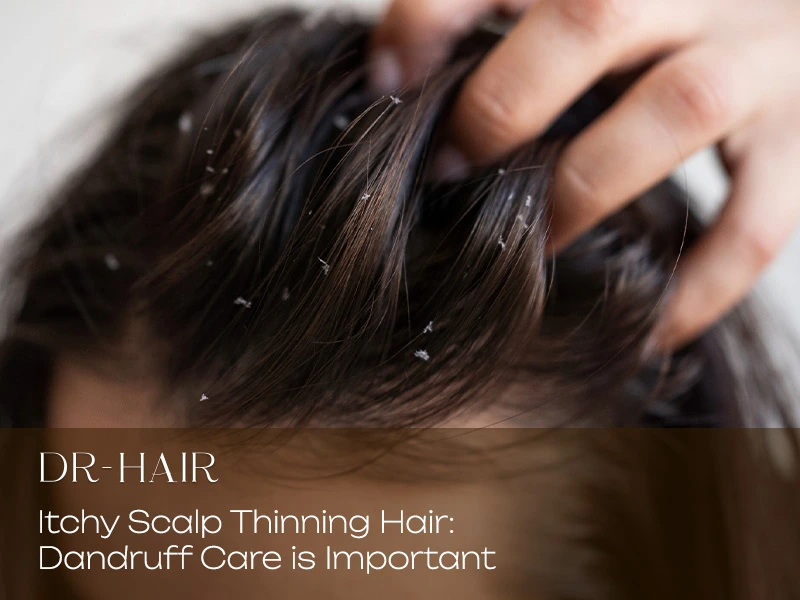
Treat Itchy Scalp Thinning Hair If you’ve been dealing with itchy scalp thinning hair, you’re not alone. Many people experience this frustrating combo without realizing that one may be causing the other. That relentless itch, those annoying flakes, and the gradual decrease in hair volume could all be part of the same underlying issue: dandruff. While dandruff is often brushed off as a minor inconvenience, it can wreak havoc on scalp health, ultimately impacting your hair’s growth cycle. If you’ve noticed signs of itchy scalp thinning hair, it’s time to look closer at what’s happening beneath the surface—and why treating dandruff could be the missing step in your hair care routine. What Causes Itchy Scalp Thinning Hair? The relationship between itchy scalp thinning hair is more than coincidental. Your scalp is the foundation of hair growth, and when it’s compromised—whether by dryness, inflammation, or irritation—your hair often suffers too. Common causes of itchy scalp thinning hair include: Seborrheic dermatitis: A severe form of dandruff that causes red, itchy, flaky skin. Fungal overgrowth (Malassezia): Yeast imbalances can cause inflammation and shedding. Dry scalp: Can lead to flaking, itching, and reduced hair vitality. Clogged hair follicles: From product buildup or oil, preventing proper hair growth. Stress or hormonal changes: Both can trigger scalp inflammation and hair thinning. The result? A scalp that’s constantly irritated and unable to support healthy, consistent hair growth. How Dandruff Impacts Hair Growth When you’re facing itchy scalp thinning hair, dandruff is a common, often overlooked root cause. Here’s how it plays a role: 1. Chronic Inflammation Dandruff can cause low-grade inflammation of the scalp. Over time, this inflammation damages the hair follicles, leading to premature shedding and reduced hair density. 2. Excessive Scratching An itchy scalp often leads to scratching—which physically weakens the hair at the root. Repeated scratching damages both the scalp surface and the follicles beneath it, accelerating thinning hair. 3. Blocked Follicles Flakes, excess oil, and residue from hair products can block follicles. A clogged follicle can’t support a healthy hair strand, which contributes directly to itchy scalp thinning hair. 4. Poor Scalp Environment A healthy scalp maintains a delicate balance of oil, pH, and microbes. Dandruff disrupts this balance, making the scalp less hospitable for new hair to grow. Why Treating Dandruff Can Improve Hair Growth Treating dandruff isn’t just about eliminating flakes. For anyone dealing with itchy scalp thinning hair, it’s a vital first step toward long-term hair health. Here’s why it matters: Removes buildup and flakes: Clears the path for healthy hair to grow. Soothes irritation: Reduces inflammation, allowing follicles to heal. Supports follicle function: Healthy follicles produce thicker, stronger hair. Improves circulation: Clean, clear scalp tissue receives nutrients more effectively. If you’re tired of dealing with itchy scalp thinning hair, targeting dandruff directly may be the game-changer you’ve been looking for. Best Treatments for Itchy Scalp Thinning Hair Whether you prefer natural remedies or dermatologist-recommended products, here are proven ways to treat itchy scalp thinning hair caused by dandruff: 1. Use a Medicated Anti-Dandruff Shampoo Look for active ingredients like: Ketoconazole (antifungal) Zinc pyrithione (antimicrobial + anti-inflammatory) Salicylic acid (exfoliates dead skin and buildup) Coal tar (slows skin cell turnover) Use these shampoos 2–3 times a week to reduce flakes and restore scalp balance. 2. Hydrating and Soothing Scalp Treatments Apply lightweight serums or oils that include: Tea tree oil (natural antifungal and soothing) Niacinamide (improves skin barrier and reduces inflammation) Aloe vera (cools and hydrates irritated skin) These ingredients target the itch while supporting long-term scalp health, essential for anyone managing itchy scalp thinning hair. 3. Gentle Scalp Exfoliation Use a scalp scrub once a week to remove buildup and unclog follicles. This encourages circulation and helps with hair regrowth in areas affected by flaking. 4. Diet and Hydration A diet rich in omega-3 fatty acids, zinc, biotin, and antioxidants will support scalp and follicle health from the inside out. 5. Reduce Heat and Chemical Stress Avoid over-styling and heat tools while your scalp heals. This minimizes additional irritation for those struggling with itchy scalp thinning hair. When to See a Specialist If your symptoms are severe, or if your itchy scalp thinning hair continues despite home treatments, it might be time to consult a dermatologist. You may be dealing with psoriasis, eczema, or another condition that requires prescription treatment. Frequently Asked Questions 1. Can dandruff really cause itchy scalp thinning hair? Yes. Dandruff can irritate the scalp, causing inflammation and blockage of hair follicles—leading to increased shedding and reduced hair growth. 2. How soon can I see hair regrowth after treating dandruff? Results vary, but many people notice less shedding within 3–4 weeks and visible regrowth after 2–3 months of consistent care. 3. What are the best products for itchy scalp thinning hair? Look for medicated shampoos with antifungal agents, soothing scalp serums, and lightweight oils that target irritation and follicle health. 4. Can I use natural remedies to treat itchy scalp thinning hair? Absolutely. Tea tree oil, aloe vera, and apple cider vinegar can reduce flakes and calm irritation. However, persistent dandruff may require medicated solutions. 5. Should I avoid washing my hair too often if I have an itchy scalp? No—regular washing (every 2–3 days) helps remove buildup and maintain a healthy scalp environment. Just be sure to use gentle, non-drying products. Final Thoughts: Scalp First, Hair Second When it comes to itchy scalp thinning hair, it’s easy to focus on the hair you’re losing rather than the scalp it’s growing from. But healthy hair always begins with a healthy scalp. Dandruff is more than a cosmetic issue—it’s a warning sign. Addressing it early can prevent further thinning, reduce irritation, and create the ideal conditions for your hair to thrive. Don’t ignore the itch. Treat the cause, not just the symptoms—and give your scalp (and your hair) the care it truly needs.