
Hair Loss Causes: Top Reasons, Risk Factors & When to See a Doctor
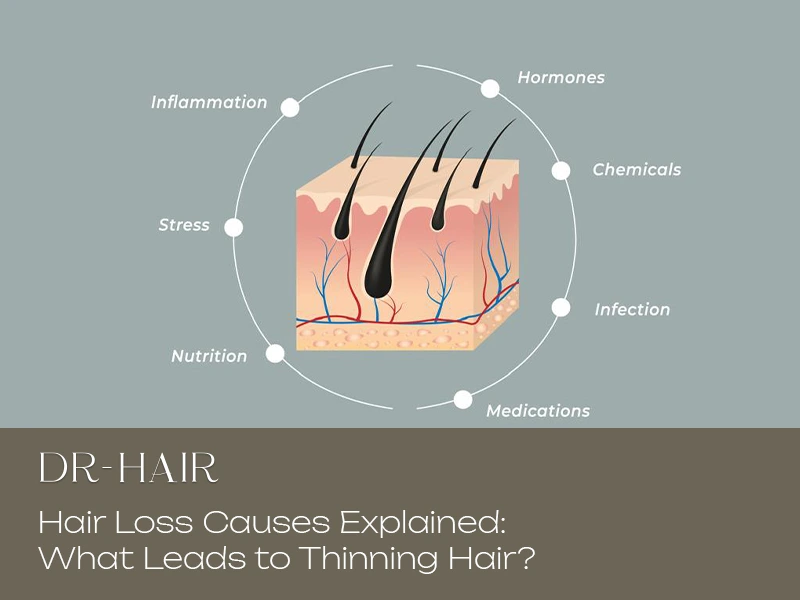
Waking up to a pillowcase covered in strands or seeing your shower drain clog up every morning can be a total heart-sink moment. If you’re living in Malaysia, you might be wondering if it’s the nasi lemak, the 90% humidity, or just bad luck. Looking for a permanent fix for thinning? Dr. Hair Malaysia analyze your hair loss causes thoroughly and offers advanced hair regrowth treatment tailored to your scalp’s needs. Restore your confidence and natural hairline today. Understanding Hair Loss Causes Before we blame the weather, we need to understand how the “machinery” on your scalp actually works. How Hair Grows and Why It Falls Out Every single hair on your head is on its own timeline. Most of your hair is in the Anagen (growth) phase, which lasts for years. Eventually, it hits the Telogen (resting) phase before falling out. Hair loss happens when that growth phase gets cut short or the resting phase lasts too long. Temporary vs. Permanent Hair Loss Causes Not all hair loss is a “goodbye forever.” Temporary hair loss (like after a bout of fever or high stress) usually grows back once the trigger is gone. Permanent hair loss, however, happens when the follicle itself shrinks or scars over, often due to genetics or chronic inflammation. Genetic and Hormonal Causes of Hair Loss This is the most common reason people visit a specialist like Dr. Hair to figure out why their hairline is migrating backward. Hereditary Hair Loss (Male & Female Pattern Baldness) Known medically as Androgenetic Alopecia, this is written in your DNA. It’s not just from your mother’s side; genes from both parents dictate how sensitive your follicles are to shrinking. DHT and Hormonal Imbalance The main villain here is Dihydrotestosterone (DHT). This hormone binds to follicles and tells them to produce thinner, shorter hairs until they stop producing altogether. According to the American Academy of Dermatology, this process of miniaturization is the leading cause of thinning worldwide. Pregnancy, Postpartum, and Menopause-Related Hair Loss New moms in Malaysia often experience “the great shedding” about three months after delivery. This is because the high estrogen that kept your hair in the growth phase during pregnancy suddenly drops. Menopause does something similar, lowering protective hormones and making DHT more dominant. Thyroid and Endocrine Disorders Your thyroid is the master regulator of your metabolism. When it’s overactive or underactive, it can disrupt the hair growth cycle, leading to uniform thinning across the entire scalp. Medical and Health-Related Causes Autoimmune Conditions (Alopecia Areata) Sometimes the body’s immune system gets confused and attacks the hair follicles, causing hair to fall out in smooth, round patches. This is a specific autoimmune disease called Alopecia Areata that requires clinical intervention rather than just a change in shampoo. Chronic Illness and Infections High fevers or severe infections can “shock” your system, pushing a large percentage of hair into the shedding phase all at once. Side Effects of Medications Certain drugs for blood pressure, cholesterol, and acne (like isotretinoin) can sometimes cause thinning as a side effect. Scalp Conditions and Inflammation In our tropical climate, fungal infections or seborrheic dermatitis (severe dandruff) are common. An inflamed scalp is like bad soil—it’s hard for anything to grow healthy roots. Lifestyle and Environmental Causes in Malaysia Stress, Anxiety, and Sleep Deprivation Living in high-paced hubs like KL or JB comes with stress. Chronic anxiety raises cortisol, which can trigger a condition called Telogen Effluvium. Diet, Malnutrition, and Vitamin Deficiencies If you’re skipping protein or lack Iron, Zinc, and Vitamin D, your hair will be the first thing your body “shuts down” to save energy for vital organs. Research from the National Institutes of Health confirms that low serum ferritin levels are closely linked to hair fall. Smoking, Alcohol, and Poor Lifestyle Habits Smoking restricts blood flow to the scalp, literally choking your follicles. Heat, Humidity, and Air Pollution Effects Malaysia’s sun is intense. UV rays can damage the hair protein (keratin), while pollution particles can settle on the scalp, causing oxidative stress. Hard Water and Hair Washing Habits The minerals in some Malaysian water supplies can build up on the hair shaft, making it brittle and prone to breakage. Hair Care and Styling-Related Causes Excessive Heat Styling and Blow-Drying If you’re using a flat iron daily in this heat, you’re essentially “cooking” the moisture out of your hair strands. Chemical Treatments and Hair Coloring Bleaching and perms break the chemical bonds of your hair. Do it too often, and you get “chemical breakage,” which looks like hair loss but is actually the hair snapping off. Tight Hairstyles and Traction Alopecia Whether it’s a tight “man bun,” high ponytail, or a very snug hijab, constant pulling can permanently damage follicles along the hairline. Overwashing, Harsh Shampoos, and Product Buildup Using shampoos with heavy sulfates can strip natural oils, while too much dry shampoo can clog pores, leading to “folliculitis.” Sudden and Temporary Hair Loss Triggers Telogen Effluvium This is the “sudden” hair loss that happens 2-3 months after a major life shock. Rapid Weight Loss or Crash Dieting Losing more than 1kg a week often results in the body “triaging” its resources away from hair growth. Surgery, Fever, or Physical Trauma Even a routine surgery under general anesthesia can lead to temporary thinning a few months later. COVID-19 and Post-Illness Hair Loss Many Malaysians reported significant hair fall after recovering from COVID-19. This is a classic example of post-viral Telogen Effluvium, where the body’s inflammatory response disrupts the hair cycle. Hair Loss in Men vs. Women Common Causes of Hair Loss in Men For men, it’s almost always DHT. The “M” shape receding hairline is the hallmark sign. Common Causes of Hair Loss in Women Women’s thinning is often more complex, involving a mix of hormones, iron levels, and styling habits. It usually manifests as a widening part line. Age-Related Hair Thinning As we age, our hair strands naturally become finer and have less pigment. This is a normal part of the
Exosome Hair Therapy: Advanced Regenerative Treatment in Malaysia
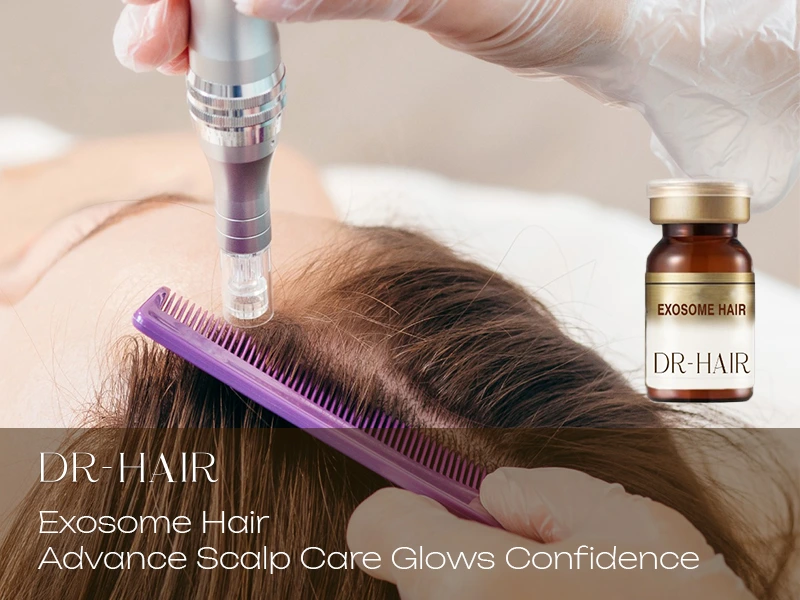
Facing hair thinning can feel like an uphill battle, especially in Malaysia’s humidity where flat, limp hair makes every “bad hair day” feel worse. While we’ve all heard of hair transplants and PRP, there’s a new player in town that’s making waves in Kuala Lumpur and beyond: Exosome Hair Therapy. This isn’t just another topical serum; it’s a “cellular messenger” system that tells your scalp it’s time to wake up and grow. Experience the ultimate exosome hair therapy at Dr. Hair Malaysia. Our specialists use biotech cell messengers to reactivate dormant follicles, significantly improving hair density and thickness for a fuller look. What is Exosome Hair Therapy? Think of exosome therapy as the high-tech successor to stem cell treatments. Instead of using whole cells, it uses the “instructions” those cells send out. Understanding Exosomes and Their Role in Hair Regrowth Exosome hair therapy is a regenerative treatment using extracellular vesicles derived from stem cells to deliver growth factors, proteins, and genetic material directly to the scalp. It stimulates follicle regeneration, reduces inflammation, and promotes thicker, healthier hair growth. Results appear gradually over several months with no downtime. According to the National Institutes of Health, these nano-sized vesicles can stimulate the dermal papilla cells, which are the engine room of hair production. How Exosome Therapy Differs from PRP and Other Treatments While PRP (Platelet-Rich Plasma) relies on your own blood, which can vary in quality based on your age and health, exosome therapy uses a standardized, highly concentrated lab-purified solution. Potency: Exosomes typically contain over 1,000 growth factors, significantly more than the 7-25 found in PRP. Consistency: Because they are pre-processed, the results are more predictable. No Blood Draw: Unlike PRP, there is no need to draw your blood and spin it in a centrifuge. Benefits of Exosome Hair Therapy Why are Malaysians opting for this “liquid gold” for their scalp? Stimulating Hair Follicle Regeneration Exosomes work by pushing follicles from the telogen (resting) phase back into the anagen (growth) phase. They essentially “instruct” dormant follicles to restart hair production. Beyond just growth, they help modulate microRNA expression, which acts as a master switch for follicle health. Improving Hair Density and Thickness It’s not just about more hair; it’s about better hair. By improving angiogenesis (the formation of new blood vessels) around the hair bulb, the shafts grow back thicker and stronger. Mayo Clinic notes that most hair loss treatments aim to extend the growth phase, and exosomes do this at a cellular level. Minimizing Hair Loss Progression The anti-inflammatory properties of exosomes help reduce scalp inflammation, a hidden culprit in androgenetic alopecia (pattern baldness) and alopecia areata. They specifically target pro-inflammatory cytokines that often cause premature follicle miniaturization. Who is a Candidate for Exosome Hair Therapy? Ideal Patients for Hair Restoration The best candidates are those in the early to moderate stages of hair thinning. If your follicles are miniaturized but still alive, exosomes can do wonders. However, if an area is completely bald with no visible follicles, a hair transplant might be the only option. Age, Gender, and Hair Loss Considerations Exosome therapy is gender-neutral. It works effectively for: Men: Dealing with receding hairlines or thinning crowns. Women: Experiencing widening parts or general thinning. Post-COVID Shedding: Many in Malaysia have reported success using exosomes to “reset” the hair cycle after viral illnesses, effectively addressing Telogen Effluvium. The Exosome Hair Therapy Procedure in Malaysia Pre-Treatment Consultation and Assessment In top-tier KL clinics, doctors use a trichoscope to zoom in on your scalp. They check for follicle health and ensure you don’t have an underlying scalp infection that needs treating first. Step-by-Step Treatment Process Cleaning: The scalp is sterilized. Numbing: A topical numbing cream or local anesthesia may be applied for comfort. Application: The exosome solution is delivered via tiny micro-injections or microneedling. Interestingly, recent studies suggest that microneedling creates micro-channels that significantly enhance the penetration of these vesicles into the dermis. Duration: The whole process takes about 30 to 60 minutes—perfect for a “lunch break” treatment. Expected Recovery and Aftercare There’s almost zero downtime. You might have slight redness or “mosquito bite” bumps for 24 hours. You’ll be advised not to wash your hair for at least 6–12 hours to let the solution absorb. To prevent infection, the American Academy of Dermatology generally recommends avoiding swimming pools or public spas for 48 hours post-injection. Results and Effectiveness of Exosome Hair Therapy Timeline for Visible Hair Growth Patience is key. While some notice reduced shedding in as little as 4 weeks, the real “wow” results in density and thickness usually peak between 3 to 6 months. This timeframe matches the natural biological rhythm of the hair cycle. Long-Term Success Rates and Maintenance Research shared by the Cleveland Clinic emphasizes that no hair loss treatment is a “one-and-done” cure. Most patients in Malaysia opt for a refresher session every 6 to 12 months to maintain their lush results and combat the natural cellular aging process. Costs of Exosome Hair Therapy in Malaysia Price Ranges Across Clinics In Malaysia, the cost is higher than PRP due to the laboratory processing involved. Per Session: RM 1,800 – RM 3,500 Full Package (3 sessions): RM 5,000 – RM 9,000 Factors That Affect Treatment Costs The price varies based on the brand/origin of the exosomes (e.g., ASCE+, ExoCoBio) and the concentration used. Premium clinics in areas like Bangsar or Mont Kiara may charge more for their advanced delivery systems, such as laser-assisted delivery or high-frequency ultrasound. Choosing the Right Clinic for Exosome Hair Therapy in Malaysia Key Qualifications and Certifications to Look For Ensure your doctor is LCP (Letter of Credentialing and Privileging) certified by the Ministry of Health Malaysia (MOH). This ensures they are qualified to perform aesthetic injections and handle biological agents safely. Patient Reviews and Testimonials Look for “before and after” photos specifically for hair, not just skin. Exosome therapy for the face is common, but hair restoration requires a different technique and depth of delivery. Safety Standards and Regulations The World
Hair Loss in Women: Causes, Best Treatments & Hair Regrowth Tips in Malaysia
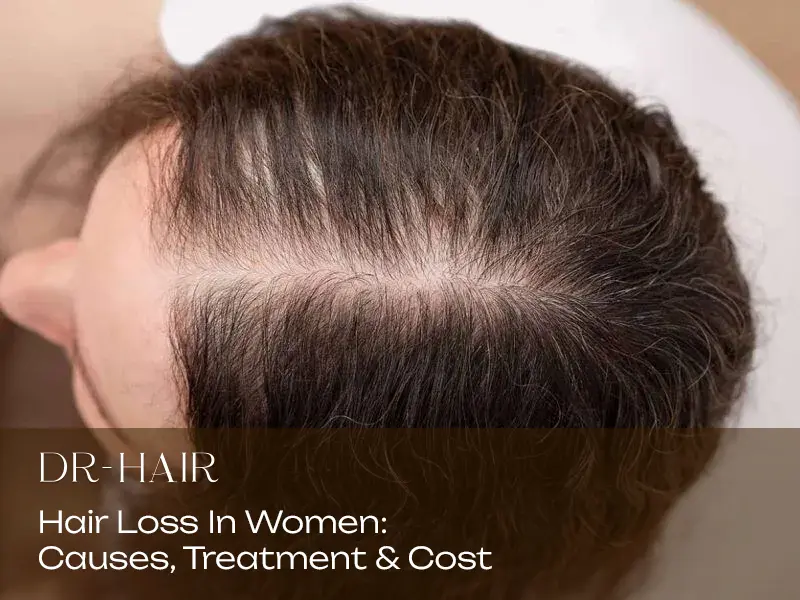
Hair loss, or alopecia, is often associated with men, but it is a common problem among women as well. In fact, it’s estimated that nearly 40% of women experience some degree of hair thinning or hair loss at some point in their lives. The causes of hair loss in women can be varied, and the treatments available range from medical solutions to lifestyle changes. This article will explore the causes of hair loss in women, available treatments, and preventive measures Causes of Hair Loss in Women Hair loss in women can occur due to a variety of reasons, from hormonal changes to stress and genetics. Understanding the underlying cause is crucial in determining the most effective treatment. Below are the common causes: 1. Hormonal Imbalances One of the most significant factors contributing to hair loss in women is hormonal changes, which often occur during pregnancy, childbirth, menopause, or due to conditions such as polycystic ovary syndrome (PCOS). During pregnancy, for instance, women often experience thicker hair due to increased estrogen levels, but once the baby is born and hormones return to normal, hair shedding can occur. 2. Genetics Genetics play a significant role in hair loss, particularly a condition called androgenetic alopecia, commonly known as female pattern baldness. This type of hair loss is hereditary and tends to occur gradually. It is characterized by thinning hair on the scalp, especially along the crown and at the parting. 3. Nutritional Deficiencies A lack of certain nutrients, particularly iron, zinc, vitamin D, and biotin, can lead to hair thinning and hair loss. A well-balanced diet is essential for maintaining healthy hair, and deficiencies in essential vitamins and minerals can hinder hair growth. 4. Stress and Trauma Physical or emotional stress can cause temporary hair loss, known as telogen effluvium. This condition can occur after a traumatic event, such as surgery, an accident, or a stressful life event. Stress disrupts the hair growth cycle, leading to excessive shedding. 5. Medical Conditions and Medications Certain medical conditions, such as thyroid disorders, autoimmune diseases, and anemia, can lead to hair loss in women. Additionally, medications for conditions such as cancer, depression, or high blood pressure can also contribute to hair thinning. Chemotherapy is particularly well-known for causing hair loss. Treatment Options for Hair Loss in Women Treating hair loss in women depends on its underlying cause. There are several treatments available, ranging from non-invasive options to medical interventions. 1. Minoxidil (Rogaine) Minoxidil is an over-the-counter topical treatment that can stimulate hair growth. It’s FDA-approved for use in both men and women and works by improving blood flow to the hair follicles, thus promoting hair growth. It is applied directly to the scalp twice daily. While it does not work for everyone, many women find it effective in reducing hair thinning and promoting regrowth. 2. Hormonal Therapy If hormonal imbalances are causing hair loss, hormonal therapy may be an option. For women who experience hair loss due to menopause or PCOS, doctors may recommend birth control pills or anti-androgens, such as spironolactone, to help balance hormones and reduce hair loss. 3. Platelet-Rich Plasma (PRP) Therapy PRP hair therapy involves drawing a small amount of the patient’s blood, processing it to concentrate the platelets, and then injecting it into the scalp. The growth factors in the platelets can stimulate hair follicles to promote new hair growth. PRP therapy has gained popularity in recent years for its potential to improve hair density and thickness. 4. Hair Transplant Surgery For women with severe hair loss or female pattern baldness, hair transplant surgery may be considered. This procedure involves taking hair follicles from areas of the scalp where hair is still thick and transplanting them to areas with thinning hair. While effective, this is a more invasive option. 5. Diet and Lifestyle Changes Improving your diet and managing stress can help prevent or reduce hair loss. Ensuring adequate intake of essential nutrients, such as vitamins A, B, C, D, and E, along with omega-3 fatty acids, can help promote healthy hair growth. Reducing stress through relaxation techniques, such as yoga or meditation, may also help reduce the risk of hair loss. Preventing Hair Loss in Women While some causes of hair loss cannot be avoided, there are steps you can take to minimize the risk of excessive shedding and thinning: Avoid Tight Hairstyles: Hairstyles like ponytails, braids, and buns can cause tension on the hair and lead to traction alopecia. Opt for looser styles that don’t put too much pressure on the hair follicles. Be Gentle with Your Hair: Avoid harsh brushing, excessive heat styling, and chemical treatments that can damage the hair and lead to breakage. Maintain a Balanced Diet: Ensure that your diet includes adequate nutrients to support hair health. Include plenty of fruits, vegetables, and protein-rich foods. Manage Stress: Since stress can trigger hair loss, practicing stress-management techniques is essential. Regular exercise, mindfulness practices, and adequate sleep can all help reduce stress levels. Regular Scalp Care: Gently massaging the scalp can help stimulate blood circulation to the hair follicles and encourage hair growth. Using gentle shampoos and conditioners will also keep your hair healthy. FAQs About Hair Loss in Women 1. What are the most common causes of hair loss in women? The most common causes of hair loss in women are hormonal imbalances, genetics (female pattern baldness), nutritional deficiencies, stress, and medical conditions such as thyroid disorders. 2. Can hair loss in women be reversed? In many cases, hair loss can be reversed or at least slowed down with the right treatment. Topical treatments like Minoxidil, lifestyle changes, and medical therapies can help promote hair regrowth and prevent further loss. 3. Is PRP therapy effective for hair loss in women? PRP therapy can be effective for some women, particularly those experiencing hair thinning. The growth factors in the platelets may stimulate hair follicles, improving hair density and thickness. However, results can vary from person to person. 4. How can I prevent hair loss in the
How Much PRP Hair Treatment Cost in Malaysia?
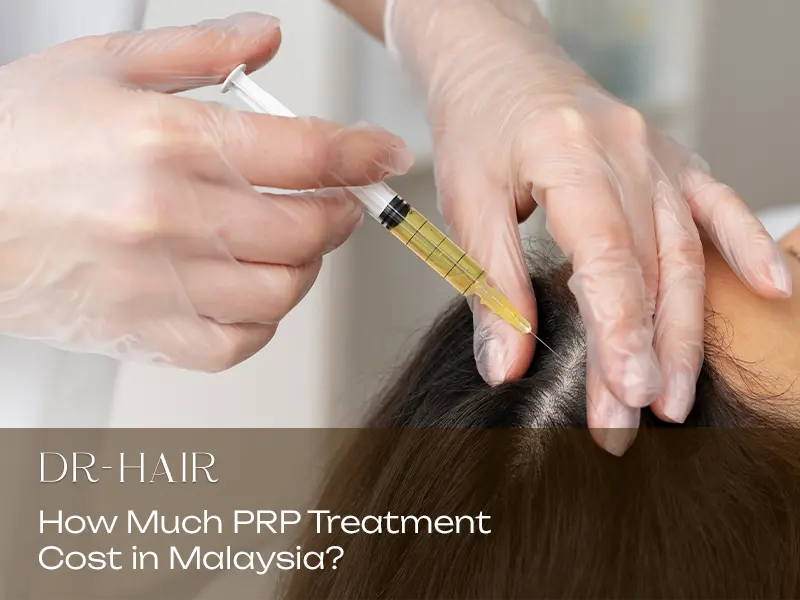
PRP Treatment has become an increasingly popular treatment for various medical and aesthetic conditions. In Malaysia, PRP hair treatment is sought after for its effectiveness in treating hair loss, facial rejuvenation, and even injuries in sports medicine. However, before you undergo PRP therapy, understanding the costs and factors that influence pricing can help you make an informed decision. What is PRP Treatment? PRP (Platelet-Rich Plasma) treatment is a non-surgical procedure that uses a patient’s own blood to promote healing and regeneration. The process involves drawing a small amount of the patient’s blood, which is then processed in a centrifuge to separate the platelet-rich plasma from other components. This plasma, rich in growth factors, is then injected into targeted areas to promote tissue healing, stimulate hair growth, or rejuvenate the skin. PRP treatment is used for various applications, including: Hair Restoration: To stimulate hair follicles and treat hair thinning or hair loss. Facial Rejuvenation: Often known as the “vampire facial,” it can improve skin texture, tone, and reduce fine lines. Joint Injuries: Used in sports medicine to help heal injured ligaments or tendons. Acne Scars: Helps in healing and regenerating skin damaged by acne scarring. PRP Treatment Cost in Malaysia The cost of PRP treatment in Malaysia varies based on several factors, including the clinic, the area being treated, and the expertise of the medical professional. On average, PRP treatment costs around RM 1,500 to RM 4,000 per session for hair restoration or facial rejuvenation. For more specific treatments, such as joint PRP injections or acne scar treatments, the cost can vary. Here’s a breakdown of the general pricing: Hair Restoration (Hair Loss): The cost for a single PRP session for hair restoration can range from RM 1,500 to RM 3,500 per session. A full treatment plan often requires multiple sessions (usually 3 to 6 sessions) over several months. Facial Rejuvenation: A single session for facial rejuvenation (commonly called the vampire facial) can range from RM 1,800 to RM 4,000. Depending on your skin needs and goals, this might require multiple sessions for optimal results. Joint Injections: PRP injections for joint injuries like knee pain or tendonitis can cost anywhere from RM 2,000 to RM 4,500 per injection session, depending on the severity and location of the injury. Acne Scarring Treatment: PRP treatment for acne scars might cost RM 1,500 to RM 3,000 per session, with multiple sessions required for best results. Factors Affecting the Cost of PRP Treatment Type of Treatment As mentioned earlier, PRP treatment prices can vary depending on the application. Hair restoration and facial rejuvenation are among the most common uses, but joint therapy, acne scar treatment, and other niche procedures can have different price points. Clinic Reputation and Location The reputation of the clinic and the expertise of the medical professionals involved play a significant role in the pricing. High-end, well-established clinics with renowned specialists might charge higher fees, while less known clinics might offer treatments at a lower cost. Moreover, the location of the clinic matters. Clinics located in urban areas, such as Kuala Lumpur or Penang, tend to have higher prices than those in smaller towns or rural areas. Experience of the Practitioner Experienced dermatologists, plastic surgeons, or specialists who are more skilled at performing PRP treatments will likely charge more for their services. Their expertise can affect the overall treatment experience and the results you achieve. Number of Sessions PRP therapy usually requires multiple sessions for optimal results. Hair restoration, for example, may need at least 3 to 6 sessions over a few months, with maintenance treatments required every 6 to 12 months. Multiple sessions will naturally increase the total cost of treatment. Technology and Equipment Used Clinics that use advanced centrifuges and equipment to process the blood and create higher-quality platelet-rich plasma might charge more. The quality of the PRP and the technology used can influence both the effectiveness of the treatment and the cost. Is PRP Treatment Covered by Insurance in Malaysia? Typically, PRP treatments are not covered by health insurance in Malaysia, as they are often classified as cosmetic or elective procedures. While some clinics offer financing options or packages for multiple sessions, it’s important to confirm the details with your insurance provider or the clinic itself. If you are considering PRP for a medical condition such as joint injuries, it’s worth checking with your healthcare provider or insurance company, as there may be some coverage depending on your policy and the purpose of the treatment. 5 Frequently Asked Questions (FAQs) About PRP Treatment in Malaysia How many PRP sessions do I need for hair restoration? For optimal results, you typically need about 3 to 6 sessions spaced 4 to 6 weeks apart. After the initial sessions, maintenance treatments are usually required every 6 to 12 months. Is PRP treatment painful? PRP therapy involves injections, so you may feel some discomfort, but the procedure is generally well-tolerated. Topical numbing creams are often applied to minimize pain during the procedure. How soon will I see results from PRP for hair restoration? Results from PRP treatment for hair restoration can take a few months to become noticeable. Most patients start seeing improvements in hair thickness and growth after 2 to 3 months, with full results appearing around 6 to 12 months. Are there any side effects to PRP treatment? PRP treatment is generally considered safe since it uses your own blood. However, some common side effects may include redness, swelling, or bruising at the injection site. These effects are usually temporary and resolve within a few days. How long does a PRP session take? A typical PRP treatment session can take around 30 minutes to 1 hour, including the time for blood collection, processing, and injections. You may need additional time for numbing or consultation before the procedure. Conclusion PRP treatment in Malaysia offers a promising solution for hair restoration, facial rejuvenation, and healing injuries. While the cost can vary significantly depending on the type of treatment, clinic, and number of